

Fertilizer plant sold for $1 as new owner bets on revival of Australia’s phosphate supply chain


A private resources company has acquired the Phosphate Hill fertilizer plant in Queensland for a nominal price of $1, taking control of a strategically important facility that supplies phosphate-based fertilizers used across Australia’s agricultural sector. The buyer, Mayfair Corporation, led by chief executive John Canavan, purchased the operation from Dyno Nobel, which had been seeking to exit its underperforming fertilizer division.
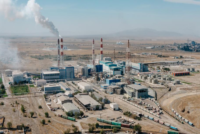
The Phosphate Hill complex, located about 140 kilometers southeast of Mount Isa, produces phosphate fertilizers that play a critical role in modern crop production. Phosphorus is one of the three primary nutrients required for plant growth, alongside nitrogen and potassium, and is essential for root development, crop yields, and overall soil fertility. Reliable domestic production of phosphate fertilizers is widely considered important for maintaining stable food supply chains, particularly as global fertilizer markets face periodic volatility.
The plant had been facing possible closure after Dyno Nobel recorded a USD 96 million (AUD 149.1 million) impairment on the asset and valued the operation at zero last year. Its shutdown would have threatened hundreds of regional jobs and disrupted an industrial ecosystem that includes a nearby copper smelter operated by Glencore. The smelter produces sulphur dioxide as a by-product, which is converted into sulphuric acid and used at the Phosphate Hill plant to process phosphate rock into fertilizer.
Under the agreement, Mayfair will assume operational responsibility for the facility starting April 1 and may make up to USD 64 million (AUD 100 million) in deferred payments if performance targets are met. Dyno Nobel will also contribute about USD 81 million (AUD 125.9 million) to fund future environmental rehabilitation of the site.
The acquisition could provide a pathway for the plant’s revival if fertilizer market conditions improve. Analysts note that phosphate fertilizers remain indispensable to global agriculture, and maintaining domestic manufacturing capacity can help reduce reliance on imports and support food security. For farmers, consistent access to phosphate products is essential to sustaining crop productivity in grain, oilseed, and horticultural systems.
Sources: Financial Review

Enjoyed this story?
Every Monday, our subscribers get their hands on a digest of the most trending agriculture news. You can join them too!



Discussion0 comments