

Dyson Farming backs low-input potato project to cut fertilizer and fungicide use

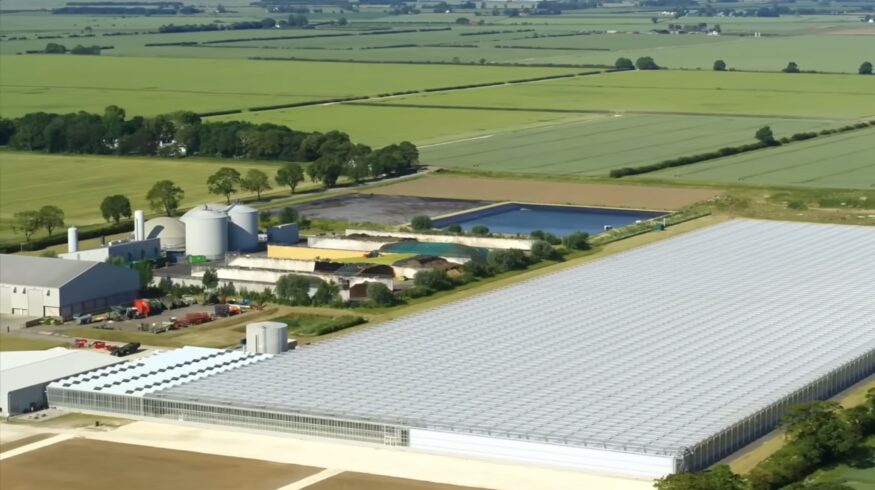
Dyson Farming has joined a farmer-led collaboration to develop lower-input potato production systems, as the sector faces pressure to reduce fertilizer and crop protection use while maintaining yields. The project, funded by Defra and delivered through the Innovate UK ADOPT program, brings together Dyson Farming Research, Colwith Farm Potatoes and SDF Agriculture to test integrated approaches combining precision foliar nutrition and microbial biostimulants.
The initiative will evaluate whether targeted nutrient applications and biological inputs can reduce reliance on soil-applied fertilizers and fungicides without compromising crop performance. Previous Innovate UK-backed work suggests these methods can lower synthetic input use while supporting tuber quality and resilience under variable weather conditions. Field trials led by Dyson Farming Research will run across different soil types, alongside commercial-scale split-field testing on partner farms to ensure results are applicable in real-world conditions.
Dyson Farming, part of the broader Dyson group founded by James Dyson, operates large-scale arable and diversified farming enterprises in the U.K., with a focus on technology-driven, sustainable agriculture. The business integrates renewable energy, including anaerobic digestion and solar power, with crop production, and has increasingly invested in data-led agronomy and research. The company said insights from the potato project will be shared with its wider farming network, aiming to provide growers with evidence-based strategies to cut inputs while maintaining productivity.
Source: Dyson Farming

Enjoyed this story?
Every Monday, our subscribers get their hands on a digest of the most trending agriculture news. You can join them too!





Discussion0 comments