

Root-lesion nematode detected in Brazilian apple and grape crops for the first time

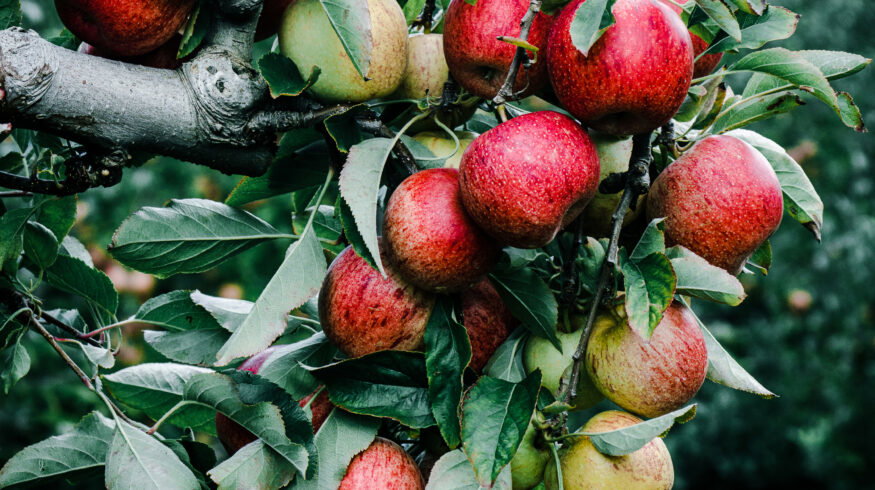
Brazilian researchers have reported the first confirmed detection of the root-lesion nematode Pratylenchus hippeastri infecting apple and grapevine crops in the country, raising concerns over potential impacts on fruit production. The findings, published in March 2026, follow investigations into stunted apple trees in Paraná state and symptomatic grapevines in Rio Grande do Sul.
Root and soil samples collected from commercial orchards revealed the presence of the nematode species in both hosts. Apple trees of the Gala variety in Palmas, Paraná, and Viognier grapevines grafted onto Paulsen rootstock in Pinto Bandeira exhibited symptoms including reduced growth, leaf yellowing, senescence, and root lesions. Laboratory analysis using centrifugal flotation techniques identified root-lesion nematodes, which were further examined through morphological and molecular methods.
Detailed morphological analysis of recovered specimens showed key identifying features consistent with Pratylenchus hippeastri, including two lip annuli, lateral fields with four incisures, and a conoid tail with a blunt terminus. Molecular sequencing of ribosomal DNA regions confirmed the identification, with results showing 100% genetic similarity to previously documented isolates. The sequences have been deposited in GenBank, supporting the classification.
The nematode species has previously been reported in a range of hosts globally, including ornamental plants, grapevine species in the United States, apple crops in China and Africa, and strawberries in Costa Rica. However, this marks its first documented occurrence in Brazil. Authorities have been notified, and the Ministry of Agriculture is expected to assess the phytosanitary risks and consider measures to limit the spread of the pathogen.
The detection highlights the need for continued monitoring and early diagnostic efforts in Brazil’s fruit sector, particularly as nematode infestations can lead to yield losses and long-term soil health challenges if left unmanaged.

Enjoyed this story?
Every Monday, our subscribers get their hands on a digest of the most trending agriculture news. You can join them too!







Discussion0 comments