

Farmers delay seed decisions as fertilizer costs and Iran conflict reshape 2026 planting plans

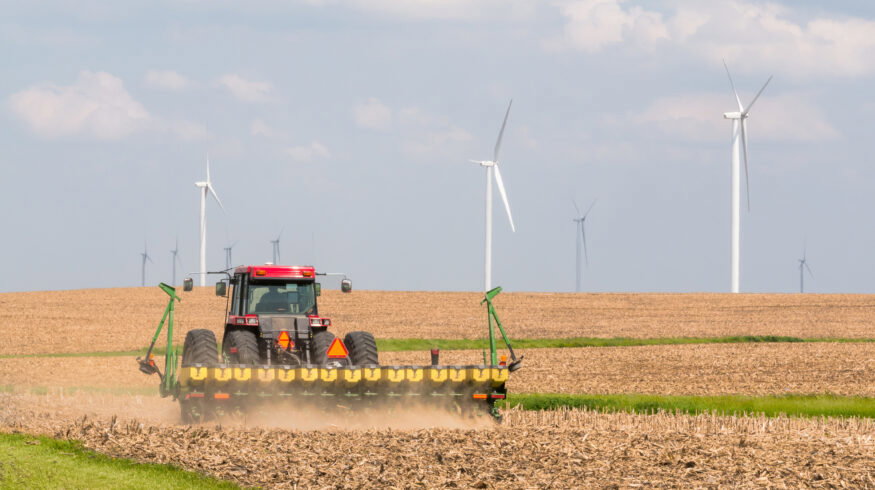
Some U.S. farmers are making unusually late planting decisions for the 2026 season as rising fertilizer costs and geopolitical uncertainty—particularly the war involving Iran—reshape crop economics and planting strategies, according to industry participants and government data.
A representative from Stine Seed Company said elevated fertilizer prices are weighing on corn acreage, prompting a shift toward soybeans. David Thompson, the company’s director of brand strategy, told Brownfield Ag News that markets appear to have already factored in an increase in soybean plantings, as soybeans require less fertilizer than corn. The uncertainty has led to a higher-than-usual volume of last-minute seed orders, with growers adjusting crop mixes closer to planting as cost pressures become clearer.
Data from the US Department of Agriculture supports this trend. The agency’s prospective plantings report showed farmers intend to plant 95.338 million acres of corn in 2026, down from 98.788 million acres last year, while soybean acreage is expected to rise to 84.7 million acres from 81.215 million. Analysts cautioned that the survey, conducted in early March, may not fully reflect the impact of the Iran conflict on fertilizer and fuel markets, suggesting corn acreage could decline further in subsequent revisions.
The war has disrupted nitrogen fertilizer supplies from key exporting regions, raising input costs for crops such as corn and wheat, which are more fertilizer-intensive. Combined with weak grain prices, elevated production costs, and ongoing uncertainty over Chinese demand for U.S. crops, these pressures are contributing to tighter farm margins. Against this backdrop, growers are increasingly deviating from traditional crop rotations in favor of lower-input options, while continuing to delay planting decisions later than usual.

Enjoyed this story?
Every Monday, our subscribers get their hands on a digest of the most trending agriculture news. You can join them too!





Discussion0 comments