

Dutch greenhouse pilot tests viability of fully biological pest control

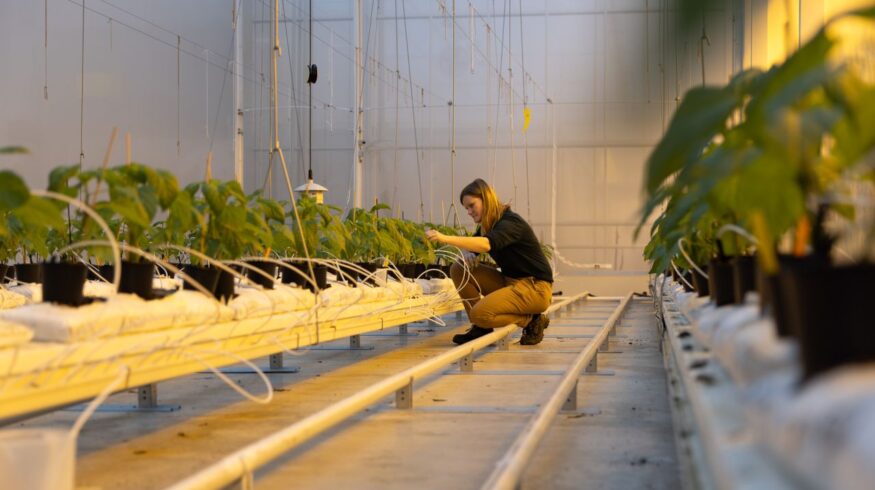
A Dutch greenhouse initiative is testing whether fully biological crop protection systems can address persistent pest pressures in high-value vegetable production, as growers face tightening regulations and declining effectiveness of some conventional tools.
The project, known as “100% Green Cultivation,” was launched by the Federation of Fruit and Vegetable Organisations and brings together producer groups and agricultural suppliers. It aims to reduce chemical pesticide use in fruiting vegetables, with early trials focused on sweet pepper crops grown under protection.
Growers involved in the project have identified several “red flag” pests—among them green peach aphids, invasive thrips species and caterpillars—where existing integrated pest management strategies have proved difficult to implement reliably. Trials conducted over the past two seasons have explored biological approaches to controlling these threats under commercial greenhouse conditions.
A key focus has been a strain of green peach aphid (Myzus persicae) that shows reduced sensitivity to previously effective treatments and reproduces more rapidly. Koppert, a participant in the project, said greenhouse trials demonstrated that the pest could be contained using combinations of biological agents.
In demonstrations conducted in late 2025, preventative strategies using parasitic wasps and banker plant systems were used to maintain aphid populations below damaging levels. Additional parasitoids were deployed to suppress localized outbreaks. The program also incorporated biological controls for other pests, including nematodes for caterpillars and predatory insects and mites for thrips and spider mites, alongside microbial products intended to support plant resilience.
More recent trials have examined winter and early-season conditions, when pest pressure can intensify. Under simulated heavy infestations, project participants said biological treatments were able to reduce aphid populations and stabilize plant health, while untreated plants showed severe damage.
The initiative is intended to assess whether biological systems can be applied across the full growing cycle, rather than as a partial supplement to chemical inputs. Such systems require a shift toward preventative crop management and closer monitoring, compared with conventional reactive approaches.
The pilot includes several Dutch producer organizations, including Harvest House, Growers United and The Greenery, as well as partners such as Rijk Zwaan and van Iperen. The group’s broader objective is to develop scalable production models that rely primarily on biological crop protection.
The results may have implications beyond the Netherlands, as greenhouse producers in Europe and elsewhere seek alternatives to chemical pesticides amid regulatory pressure and evolving pest resistance.

Enjoyed this story?
Every Monday, our subscribers get their hands on a digest of the most trending agriculture news. You can join them too!







Discussion0 comments