

From emergence to harvest: Optimizing nutrient timing in forage crops

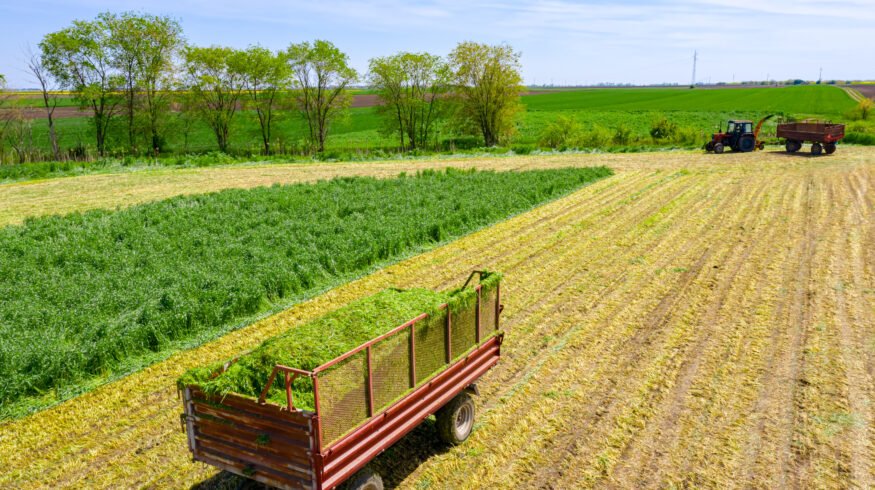

Forage crops progress through distinct developmental stages, each characterized by specific nutrient requirements. Synchronizing fertilization with these phases enables producers to prevent deficiencies that can lead to irreversible yield losses. Early growth is particularly dependent on phosphorus for root establishment, whereas later stages require balanced applications of nitrogen, potassium, and micronutrients to support biomass accumulation, flowering, and seed development.
In addition to primary nutrients (nitrogen, phosphorus, and potassium), forage systems require meso- and micronutrients to support physiological processes such as photosynthesis, nitrogen fixation, and protein synthesis. Deficiencies during critical growth stages can disrupt plant development, decrease stand density, and ultimately reduce both yield and forage quality.
Critical growth stages and nutrient demand
The table below summarizes key development phases, critical timing, and nutrient priorities in forage crops:
| Growth stage | Critical period | Key nutrients | Role in plant development |
| Emergence (germination) | First 10–15 days | P, N, K | Root system establishment and early vegetative growth |
| 1–3 leaf stage | 15–25 days after emergence | N, P, K, S, Zn, Mn | Root development, enzyme activation, photosynthesis |
| Tillering (grasses) / branching (legumes) | 25–45 days | N, P, K, S, Cu, Fe | Shoot and root growth, yield potential formation |
| Stem elongation / budding | 45–60 days | N, Mg, Cu, Fe, Mo | Biomass accumulation, preparation for flowering |
| Flowering | 60–75 days | P, K, B | Pollination and reproductive development |
| Seed formation | 75–90 days | K, S, Ca | Nutrient transfer to reproductive organs |
| Maturation | 90–120 days | K, Ca, Mn | Tissue strengthening, seed quality, nutrient remobilization |
Deficiency symptoms by growth stage
Nutrient shortages often manifest differently depending on the development phase:
| Growth stage | Deficiency symptoms |
| Emergence | Weak, pale seedlings; slow root growth |
| 1–3 leaf stage | Short internodes; pale green color; weak roots |
| Tillering / branching | Sparse tillers; weak lateral shoots; leaf chlorosis |
| Stem elongation / budding | Thin, elongated stems; interveinal chlorosis; poor flowering |
| Flowering | Poor pollination; flower drop |
| Seed formation | Small, shriveled seeds; low yield |
| Maturation | Lodging; poor seed viability |
Role of meso- and micronutrients
In addition to macronutrients, several elements play essential roles in forage crop physiology:
| Element | Function |
| Zinc (Zn) | Protein synthesis and nitrogen metabolism |
| Boron (B) | Pollination, seed formation |
| Molybdenum (Mo) | Nitrogen fixation in legumes; nitrate reduction |
| Magnesium (Mg) | Photosynthesis; chlorophyll formation |
| Manganese (Mn) | Chlorophyll synthesis; nitrate reduction |
| Iron (Fe) | Chlorophyll component; respiration and photosynthesis |
Fertilizer strategies across growth stages
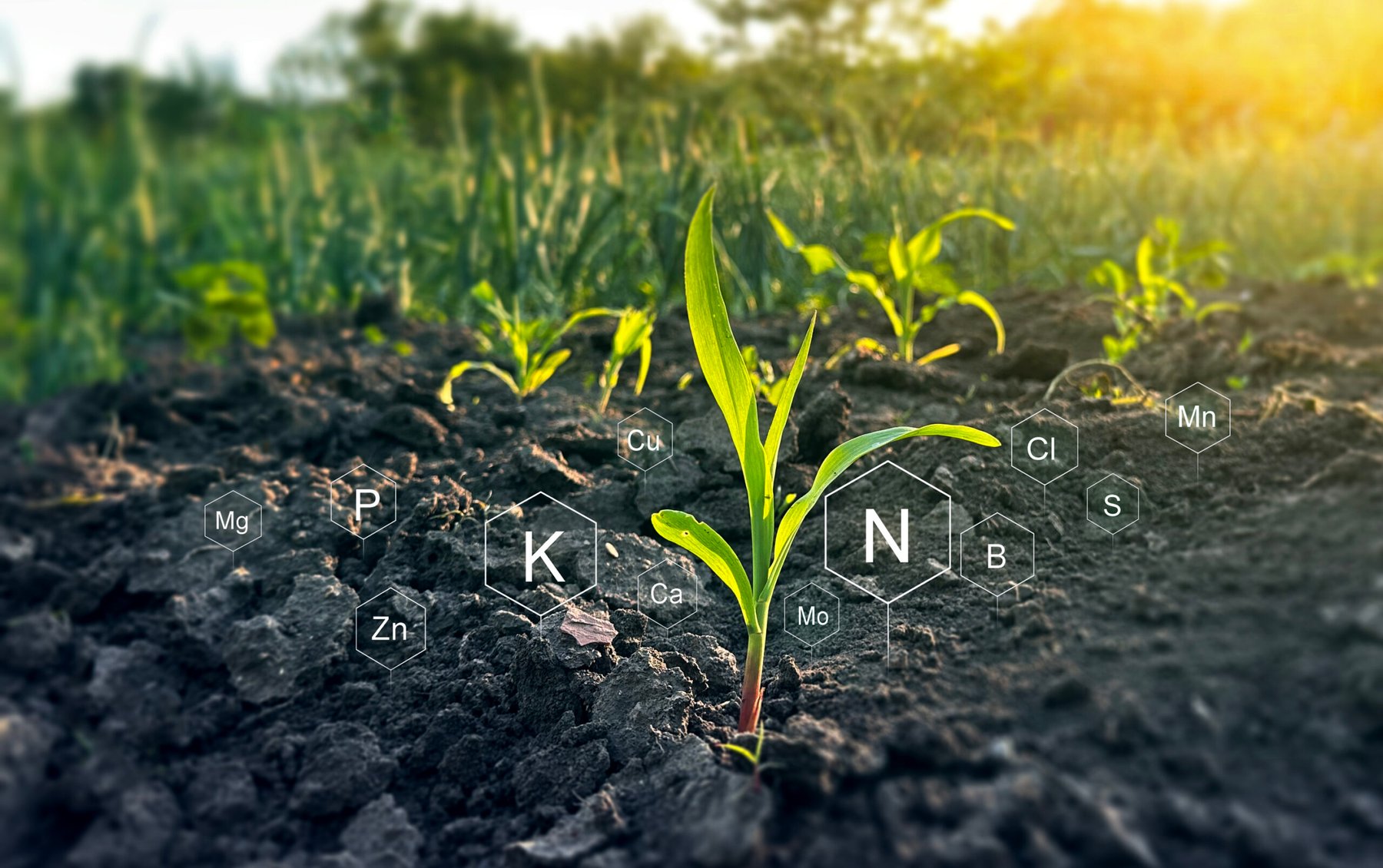
Implementing a stage-based fertilization strategy enhances nutrient use efficiency and overall crop performance:
- Early stages: Phosphorus-rich fertilizers support root development and stand establishment
- Vegetative growth: Nitrogen applications drive biomass and protein formation
- Reproductive phases: Potassium and boron improve flowering, seed set, and quality
- Late stages: Potassium and calcium enhance structural strength and seed maturation
Comprehensive fertilization programs typically integrate base NPK applications with targeted micronutrient supplementation, particularly in intensive forage systems or soils identified as deficient.
Integrated nutrition approach
Contemporary fertilization strategies prioritize flexibility in both application methods and nutrient formulations. Solid nitrogen fertilizers are commonly used for broadcast applications, whereas liquid solutions facilitate more precise timing and nutrient uptake. Compound NPK blends deliver balanced nutrition at sowing, and water-soluble formulations enable targeted nutrient delivery during critical growth stages.
A comprehensive nutrient management program, aligned with crop developmental stages and supported by both macro- and micronutrients, is essential for sustaining forage yields and enhancing feed quality in increasingly cost-sensitive production environments.

Enjoyed this story?
Every Monday, our subscribers get their hands on a digest of the most trending agriculture news. You can join them too!



Discussion0 comments