
How to grow saffron at home and harvest your own spice

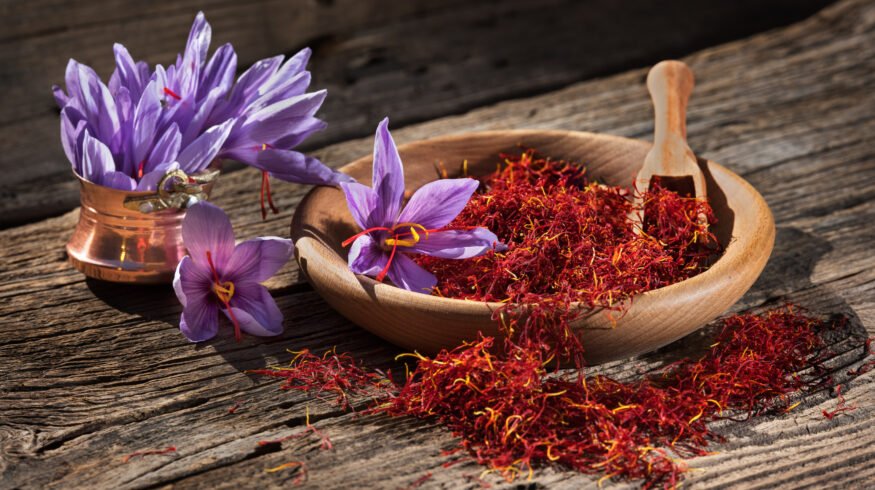

Saffron may be one of the most expensive spices in the grocery store, but gardeners can grow it at home from saffron crocus corms. Crocus sativus is a fall-blooming perennial that produces purple flowers, each containing three red stigmas that are harvested and dried as saffron.
The plant is relatively low-maintenance and can grow in garden beds, raised beds or containers. It prefers full to partial sun, well-draining loamy soil and a planting depth of about 3 inches. Saffron crocus is generally suitable for USDA Hardiness Zones 6 to 9, while gardeners in colder regions can grow it in containers and move the plants indoors for winter.
Choose the right spot for saffron crocus
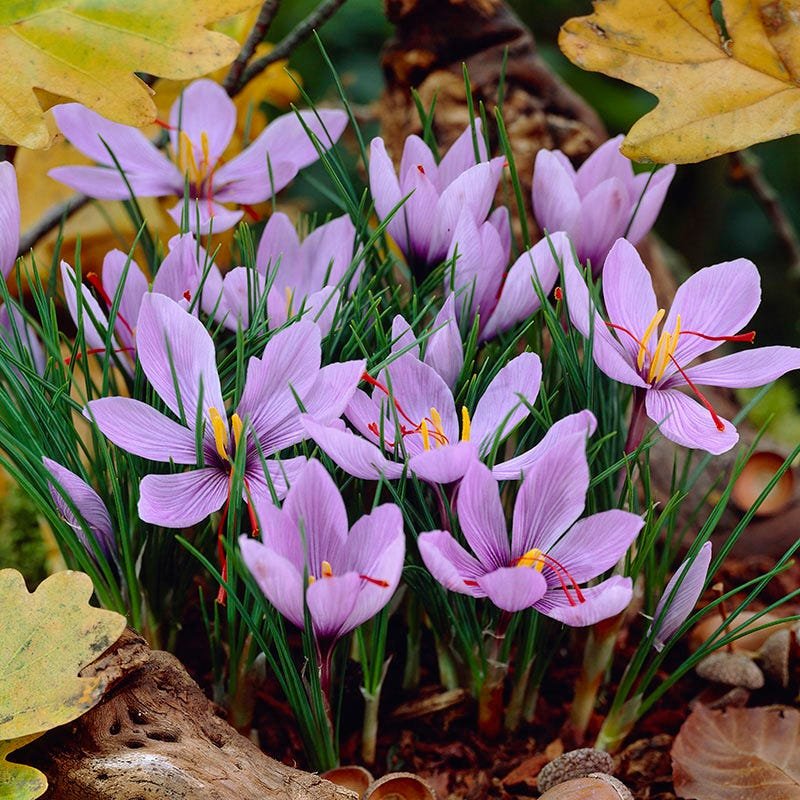
Saffron crocus does best in moist but well-draining soil. Avoid areas where water collects, since excessive moisture can cause the corms to rot. Soil should be neutral to slightly alkaline.
Plant large, firm corms about 3 inches deep and 3 inches apart, with the pointed end facing upward. Late summer is a suitable planting period. Water thoroughly after planting and then approximately once a week, although regular rainfall may provide enough moisture.
The plants typically produce narrow green foliage within six to eight weeks, followed by their characteristic purple flowers in the fall.
Gardener’s tip: Saffron crocus can also provide a late-season source of flowers for pollinators when many other plants have finished blooming.
Harvest the saffron stigmas at the right time
The harvest begins when the flowers open. The process is straightforward but requires careful handling because each flower produces only three saffron threads.
For the best results:
- Harvest in mid-morning after the dew has dried and the flowers have fully opened.
- Carefully remove the three thin, red stigmas from the center of each flower using tweezers or your fingers.
- Place the threads on parchment paper or another clean surface.
- Use the saffron fresh or air-dry it for several days in a warm, dark location.
- Once completely dry, store the saffron in an airtight container in a cool, dark place.
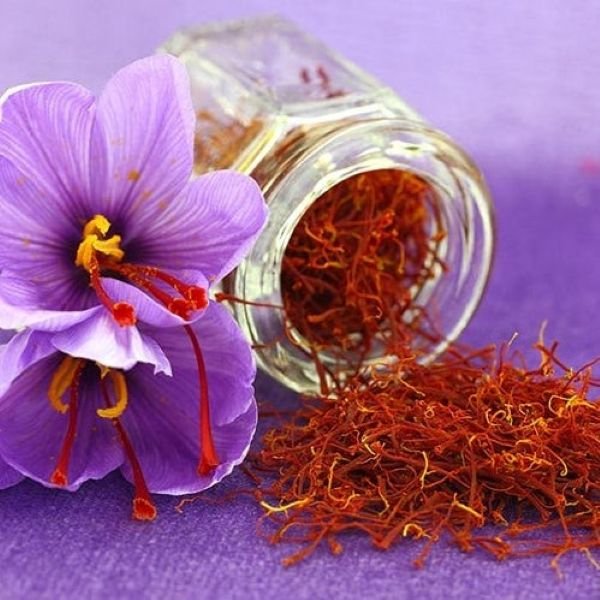
Keep the distinction between the flower’s parts in mind: the red stigmas are the part used as saffron, while the yellow stamens are not the spice.
Let the leaves feed next year’s crop
After flowering, resist the temptation to cut back the foliage immediately. The grass-like leaves continue to absorb sunlight and produce energy that the corm needs for the following season.
Flowers typically last for about three weeks, while the foliage can remain for eight to 12 weeks. Allow the leaves to die back naturally before removing them.
A layer of mulch can help protect plants from cold temperatures and retain soil moisture. Container growing is another option for gardeners in colder climates or in areas where rodents and other animals damage garden plants.
Divide saffron crocus every few years
Saffron crocus can naturalize and produce new corms around the original plant. To maintain a healthy planting, gardeners can divide the corms every three to five years while they are dormant in late summer.
Carefully lift the clump, separate the new corms from the parent corm and inspect them for damage or disease. Healthy corms can then be replanted.
When lifting the plants, use a garden fork or spade several inches away from the corms to reduce the risk of cutting or damaging them.
Why does homegrown saffron take so much work?
The high price of saffron is largely connected to the amount of manual labor involved in harvesting it. Each flower produces only three usable red stigmas, which must be collected by hand.
According to the National Garden Bureau, it takes approximately 75,000 flowers to produce one pound of dried saffron. That helps explain why a spice that is relatively easy for a home gardener to harvest can be expensive to produce commercially.
For the home gardener, however, even a modest planting can provide enough saffron for occasional use in cooking.
Put your harvest to work in the kitchen
Saffron has a distinctive floral, earthy and slightly sweet flavor, with a subtle bitterness and a honey-like aroma. It also gives food its characteristic golden-yellow color.
A small amount can be used in dishes such as risotto, paella, biryani, bouillabaisse, tagines, breads and pastries, as well as teas and desserts. Because the flavor can become bitter when overused, a little saffron generally goes a long way.
One of the simplest ways to use a homegrown harvest is saffron risotto. The saffron is added while the rice cooks, allowing its flavor and color to spread through the dish.
A small crop with a long-term payoff
Saffron crocus is a relatively simple addition to the fall garden, particularly for gardeners who have well-drained soil and a sunny planting site. Once established, the plants can produce new corms and return year after year with relatively little maintenance.
The main challenge is the harvest: every thread must be collected individually. But for gardeners interested in growing unusual culinary crops, saffron offers the opportunity to turn a small patch of fall flowers into a homegrown spice with a long history and distinctive flavor.
About the Author: This article was prepared by the National Garden Bureau, a nonprofit organization that serves as the marketing and educational arm of the gardening industry. It works to inspire and inform consumers about gardening by promoting the use of seeds, plants, and related products in homes, gardens, and workplaces. NGB draws on expertise from its member companies and horticultural professionals to provide reliable, industry-backed information.
Discussion0 comments