
Harvest dates for homegrown fruits and vegetables for the best flavor


Contents:
Knowing when to harvest can determine whether homegrown produce reaches the kitchen at peak sweetness, tenderness and nutritional quality. While expected maturity dates provide a useful guide, gardeners should also watch for crop-specific signals such as color changes, firmness, aroma, dried stems and hardened rinds to identify harvest dates for their produce. The table below summarizes the typical harvesting season and the most reliable ripeness indicators for 17 popular fruits, vegetables, and herbs.
| Crop | Typical harvesting months* | Key signs and recommendations |
|---|---|---|
| Artichokes | April–June; sometimes fall | Cut buds when they are firm, dense and 3–5 inches wide, before the scales begin opening. |
| Basil | June–October | Harvest regularly before flowering. Remove no more than one-third of the mature plant at one time. |
| Beans | June–September | Pick young pods while they remain slender, tender and able to snap cleanly. Harvest frequently. |
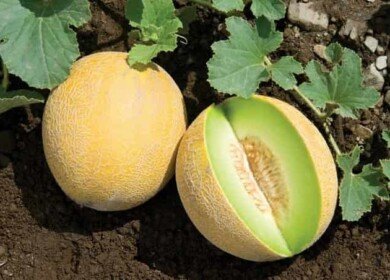
| Cantaloupe | July–September | Look for cream-colored skin beneath the netting, a fragrant blossom end and fruit that slips easily from the vine. |
| Corn | July–September | Harvest when silks are brown and dry and punctured kernels release a light, milky liquid. Refrigerate promptly. |
| Cucumbers | June–September | Pick while fruits are firm and relatively small. Check vines daily and cut rather than pull. |
| Eggplant | July–October | Choose glossy, firm fruit that gives slightly under pressure and springs back. Dull or soft fruit may be overripe. |
| Honeydew | August–October | Look for a creamy rind, heavy fruit, a sweet aroma and slight softness at the blossom end. Cut from the vine. |
| Okra | July–September | Pick pods at about 2–3 inches every two or three days before they become fibrous. |
| Peppers | July–October | Harvest at full size while firm. Green peppers are edible, while fully colored fruit is generally sweeter or hotter. |
| Potatoes | June–October | Dig new potatoes two to three weeks after flowering. Harvest storage potatoes after vines die back. |
| Summer squash | June–September | Pick zucchini and similar squash at 6–8 inches or smaller, before skins and seeds become tough. |
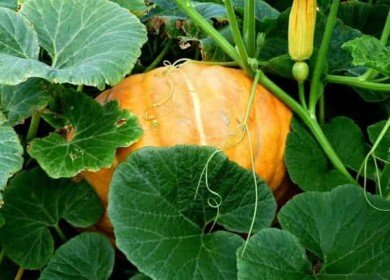
| Winter squash | September–November | Leave on the vine until the rind is hard enough to resist a fingernail and harvest before a hard frost. |
| Sweet potatoes | September–November | Dig when vines yellow and begin dying back, but complete the harvest before frost. Cure before storage. |
| Tomatillos | July–October | Pick when the fruit fills and begins splitting the papery husk but remains green or purple-blushed and firm. |
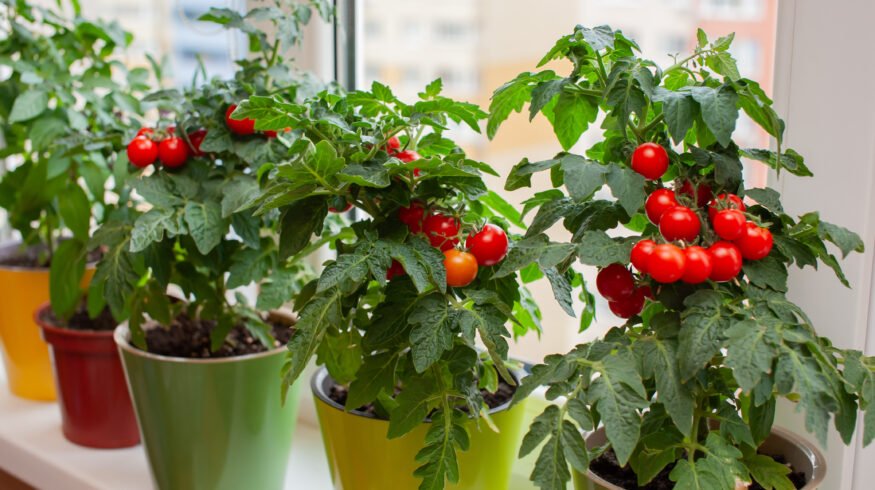
| Tomatoes | June–October | Harvest when richly colored and firm, or at the breaker stage when the first blush appears. |
| Watermelon | July–September | Check for a dry brown tendril, a creamy-yellow ground spot and a dull rind. Watermelon will not ripen after picking. |
*Timing varies substantially by region. Warm climates may produce earlier, later or nearly year-round harvests, while northern gardens generally have shorter windows.
Harvest by condition, not by calendar alone
A calendar can indicate when a crop is likely to mature, but it cannot determine ripeness on its own. Planting dates, weather, soil conditions and variety all affect harvest timing. Gardeners should begin with the “days to maturity” listed on the seed packet and then examine the crop itself for changes in color, texture, aroma and attachment to the plant.
This distinction is important because many vegetables and fruits do not continue improving after harvest. Cucumbers, eggplant, summer squash, okra and beans can become coarse, bitter or fibrous when left on the plant too long. Watermelon must also reach maturity on the vine because it will not become sweeter after picking. Tomatoes and cantaloupes offer more flexibility: tomatoes can finish ripening indoors after reaching the breaker stage, while many cantaloupes can be picked shortly before full slip and softened on the counter.
For the best quality, inspect the garden each morning as crops approach maturity. Harvesting after the dew has dried but before the day becomes hot can reduce wilting and help produce and retain freshness. Frequent picking also encourages continued production in beans, cucumbers, okra, peppers, squash and eggplant.
Artichokes, basil and beans
Artichokes should be harvested while their buds remain tight and heavy. A mature globe is generally 3–5 inches in diameter, although size varies by cultivar. The central or upper bud normally develops first, followed by smaller buds farther down the stem. Once the scales spread and the flower begins opening, the bud becomes tougher and loses its eating quality. Cut the bud with 1–3 inches of stem attached.
Basil benefits from repeated cutting throughout the growing season. Leaves are usually most fragrant and flavorful before flower buds open. Small quantities may be taken from young plants, while mature plants can generally tolerate the removal of up to one-third of their growth at a time. Regular trimming delays flowering and encourages branching. The remaining leaves should be collected before frost damages the plant.
Bush and pole beans are best when the pods are young, smooth and approximately pencil-thick. Pick before the seeds create large bulges inside the pod. A fresh bean should break cleanly when bent. Because mature pods signal the plant to slow production, harvesting every few days can extend the crop. Hold the vine with one hand and remove the pod with the other to avoid breaking stems.
How to judge melons
Melons can be among the most difficult garden crops to evaluate because size alone provides little assurance of sweetness. A ripe cantaloupe usually develops a cream or yellow background beneath its raised netting. It should feel heavy, smell fragrant at the blossom end and separate from the vine with little resistance. Even netting and easy “slip” from the stem are established indicators of cantaloupe maturity.
Honeydew behaves differently. It normally does not detach from the vine when ripe, so gardeners should look for a creamy rind, a sweet aroma, substantial weight and slight softness at the blossom end. Some varieties also develop a somewhat tacky or waxy surface as they mature. Cut honeydew with pruning shears rather than waiting for it to fall.
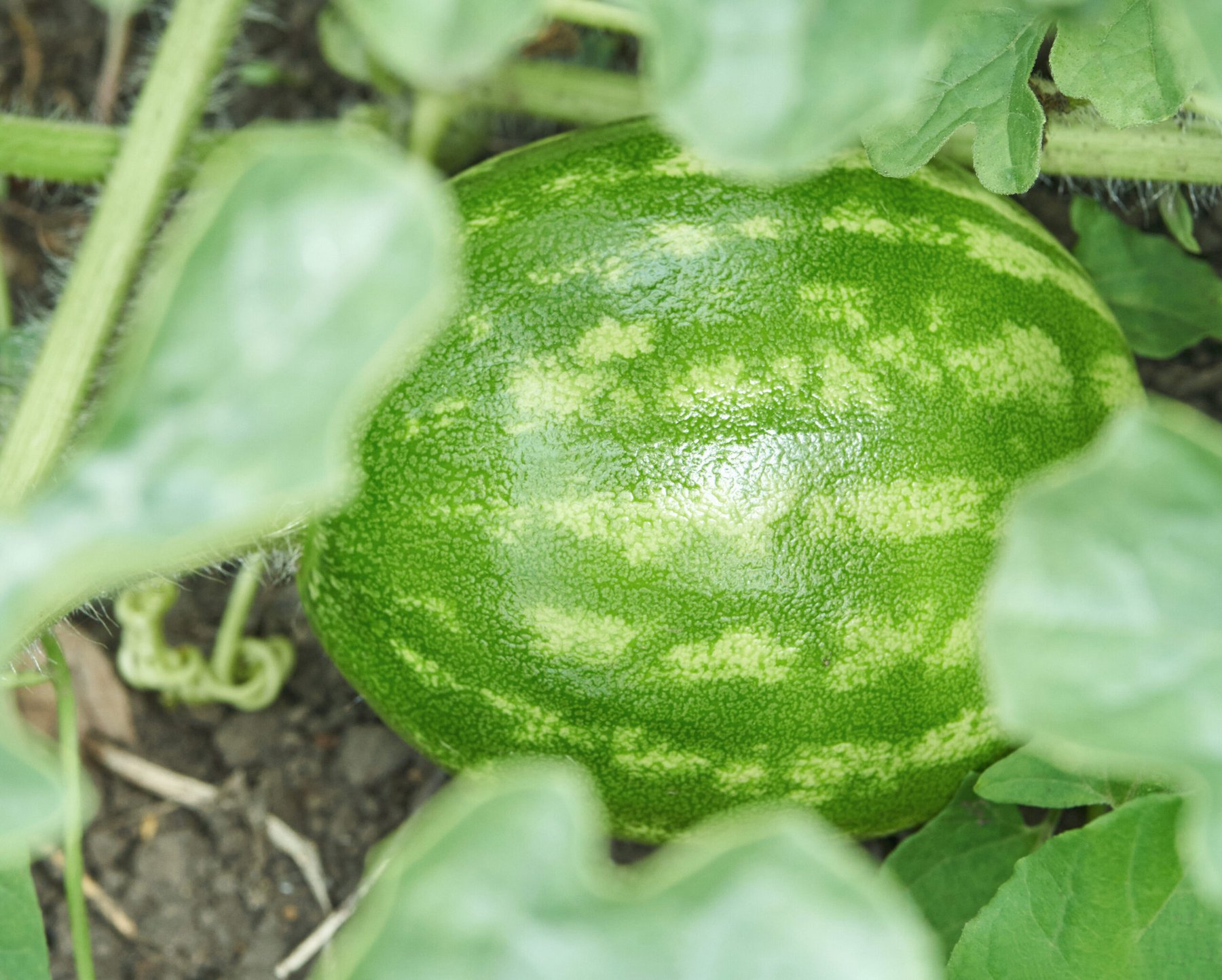
Watermelon requires several clues considered together. The curled tendril nearest the fruit typically turns brown and dries, while the section resting on the soil changes from pale green or white to creamy yellow. The rind becomes less glossy, and a ripe melon may produce a hollow sound when tapped. No single test is completely reliable, but the combination of a dry tendril, a yellow ground spot, and a mature rind is a strong signal. Cut the stem rather than pulling the fruit because watermelon will not ripen further once removed.
Corn, cucumbers and okra need close attention
Sweet corn deteriorates rapidly after harvest because its sugars begin converting to starch. Ears are generally ready when the silks have dried and turned brown but the husks remain green. The ear should feel full when gently squeezed. To confirm maturity, peel back a small section of husk and pierce a kernel with a thumbnail. Clear liquid indicates an immature ear, while thick or doughy material suggests an overripe ear. A pale, milky juice marks the preferred harvest stage. Cool the ears immediately after picking.
Cucumbers can change from crisp to oversized in only a few days. Pickling varieties are commonly collected at 2–4 inches, standard slicing cucumbers at about 6–8 inches and long English types at roughly 10–12 inches, depending on the cultivar. Harvest while the skin is firm and evenly colored, before the fruit becomes swollen or yellow. Lemon cucumbers are an exception and are usually picked as they begin turning yellow. Cut the stem about an inch above the fruit to avoid damaging the vine.
Okra demands even more frequent inspection. Pods are generally most tender at 2–3 inches and may become woody soon afterward. Harvest every two or three days during warm weather. Gloves and long sleeves can protect against the fine hairs on leaves and pods, and pruning shears make it easier to remove pods without injuring the plant.
Eggplant and peppers offer several harvest stages
Eggplant is ready when the skin is glossy and the fruit feels firm but not hard. Press it gently with a finger: the indentation should disappear quickly. Fruit that is dull, soft or slow to rebound may be overmature, with hardened seeds and bitter flesh. Because some varieties have thorns, gardeners should wear gloves and cut the stem with pruners rather than twisting the fruit from the plant.
Peppers may be harvested at multiple stages. Bell peppers can be picked when full-sized, firm and green, although leaving them to develop their final red, orange, yellow or purple color generally increases sweetness. Hot peppers may also intensify in flavor as they mature, depending on the variety. Fine lines or “corking” on jalapeños and some other peppers can indicate rapid growth and advanced maturity. Use shears and leave a short stem attached; pulling may break brittle branches. Penn State Extension notes that full-sized green bell peppers are mature enough to eat, while peppers left to color on the plant become sweeter.
Potatoes and sweet potatoes require careful digging
Gardeners can harvest small “new” potatoes two to three weeks after plants flower. These tubers have thin skins and should be handled gently and used relatively quickly. For a larger storage crop, wait until the foliage turns brown and dies. Loosen the soil with a garden fork, keeping it several inches from the stem to reduce the risk of puncturing the potatoes, then gather the tubers by hand.
Storage potatoes benefit from curing in a dark, ventilated place so minor wounds can heal and the skins can toughen. Do not wash them before storage; brush off dry soil after curing instead. Any tubers damaged during digging should be used first.
Sweet potatoes are normally harvested when the vines yellow or begin dying back. They are sensitive to cold injury, so dig them before frost. Start well outside the crown because the tubers may spread broadly through the soil. Freshly dug sweet potatoes are easily bruised and are less sweet than cured roots. A warm, humid curing period helps convert starches into sugars and prepares the crop for storage.
Summer and winter squash follow different rules
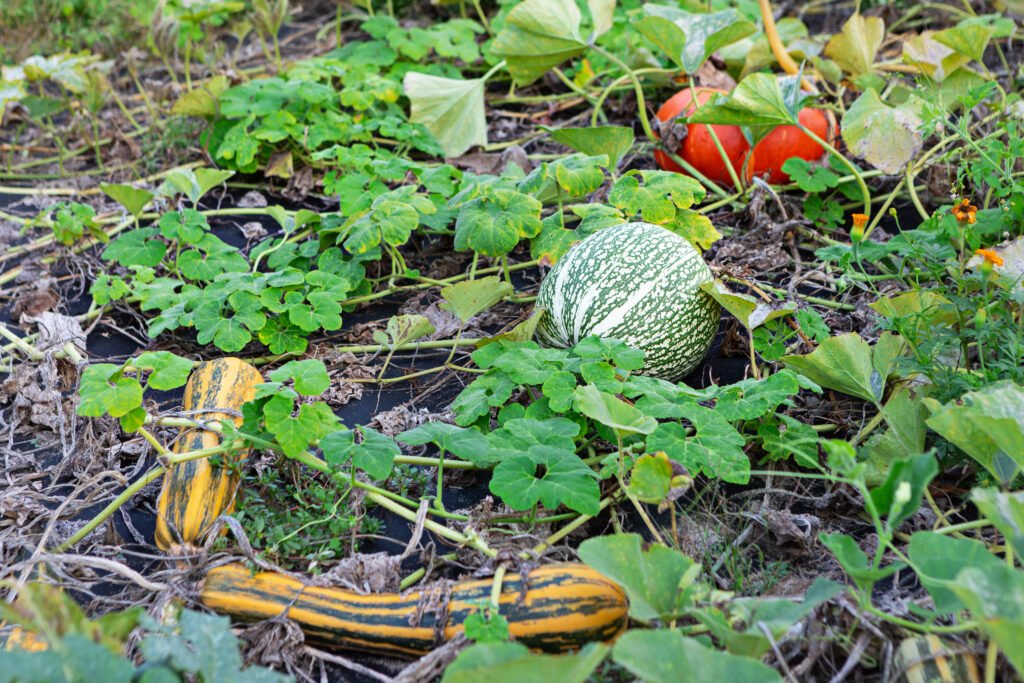
Summer squash should be picked immature. Zucchini and yellow squash are usually most tender at 6–8 inches, although smaller fruit can also be harvested. Large squash may develop thick skins, hard seeds, and spongy flesh. During peak production, check under leaves daily or every other day, as fruits can increase in size rapidly.
Winter squash must remain on the vine much longer. It is generally ready when it reaches its mature color and the rind becomes hard enough to resist puncture by a fingernail. Cut the fruit with several inches of stem attached, since broken stems can create an entry point for decay. Harvest before frost and cure varieties intended for long storage according to their specific requirements.
Tomatillos and tomatoes can be picked before full softness
Tomatillos are ready when the fruit fills the papery husk and often begins splitting it open. For the characteristic tart flavor, pick while the fruit is still firm and bright green or shows the mature purple coloring of its variety. Fruit left to become yellow and soft tends to lose acidity. University of Minnesota Extension similarly recommends choosing tomatillos when they are fully ripe but still green and firm.
Tomatoes may be left to develop their full color on the vine, but that is not always necessary. At the breaker stage, the fruit changes from mature green to a lighter shade and begins showing pink, yellow or another mature color. Once tomatoes reach this stage, they can continue ripening indoors while developing normal color and flavor. Early picking can protect them from cracking after rain, extreme heat, frost and damage from wildlife. Fully ripe tomatoes should be firm, richly colored for their variety, and easy to detach or cut from the plant.
A daily garden walk can prevent missed harvests
The practical lesson for gardeners is to begin checking before the produce appears completely ripe. Many crops have a narrow quality window, and the largest fruit is rarely the best fruit. Young beans, okra, cucumbers, and summer squash are usually more tender than oversized specimens, while fully mature winter squash, sweet potatoes, and storage potatoes need additional time before digging.
Use the seed packet’s expected size and maturity period as a starting point, then rely on several physical indicators rather than one. Color should be considered together with firmness, aroma, stem condition, husk development, or rind hardness. A brief morning inspection during peak season can prevent overripe produce, encourage plants to keep flowering, and deliver the texture and flavor that make home gardening worthwhile.
About the Author: This article was prepared by the National Garden Bureau, a nonprofit organization that serves as the marketing and educational arm of the gardening industry. It works to inspire and inform consumers about gardening by promoting the use of seeds, plants, and related products in homes, gardens, and workplaces. NGB draws on expertise from its member companies and horticultural professionals to provide reliable, industry-backed information.

Discussion0 comments