

Petrobras to supply one-fifth of Brazil’s nitrogen fertilizer demand by 2026


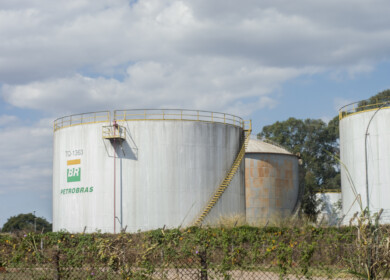
Brazilian state-owned oil company Petrobras, which is bringing three previously shuttered plants back online, will supply approximately 20% of the country’s nitrogen fertilizer demand next year, CEO Magda Chambriard announced Thursday.
The restart of domestic fertilizer production marks a significant shift for Brazil, which relies heavily on imported fertilizers. Two facilities in the northeastern states of Bahia and Sergipe are projected to deliver 5% and 7% of national urea demand, respectively, according to the company’s strategic plan. Meanwhile, a plant in southern Paraná state has already resumed operations and targets 8% of domestic urea requirements.
Speaking at an event in Bahia state, Chambriard revealed that Petrobras is also working to restore a fourth nitrogen fertilizer plant in Mato Grosso do Sul state, which would contribute an additional 15% of total demand once operational.
“This plant is already being contracted, the construction will be completed, and once it’s ready, we will be capable of delivering 35% of all the nitrogen fertilizer Brazil needs,” the CEO said.
The renewed focus on fertilizer production aligns closely with President Luiz Inácio Lula da Silva’s policy priorities. The Brazilian leader has consistently urged Petrobras to reinvest in the fertilizer sector as part of a broader strategy to reduce the nation’s import dependency.
“With the public policies issued by the federal government and with our shareholders, we are aware of Petrobras’ strategic role,” Chambriard said, acknowledging the political dimension of the company’s strategic direction.
The fertilizer initiative represents a reversal of Petrobras’ previous strategy, which had moved away from the sector. Brazil’s agricultural powerhouse status has made fertilizer security a key concern for policymakers, particularly as global supply chain disruptions have highlighted the risks of import reliance.

Enjoyed this story?
Every Monday, our subscribers get their hands on a digest of the most trending agriculture news. You can join them too!




Discussion0 comments