

Plants found to reshape root structure to penetrate compacted soil


Scientists have identified how plants adjust their root architecture to penetrate compacted soil, a growing problem in modern agriculture as heavy machinery and drought intensify pressure on farmland. An international research team led by the University of Copenhagen, Shanghai Jiao Tong University and the University of Nottingham has mapped the mechanism behind root thickening, a long-observed response linked to the plant hormone ethylene. The findings have been published in Nature.
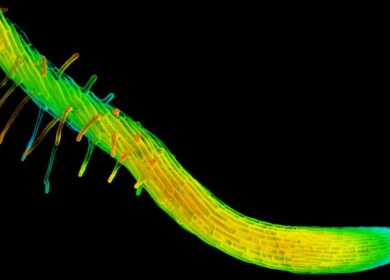
The researchers report that the accumulation of ethylene around roots in dense soil activates a gene known as OsARF1, which reduces cellulose production in specific inner root cells. This softens the middle layer of the root, allowing it to swell, while the outer epidermal layer thickens and stiffens. The resulting structure functions much like an engineered pipe, improving resistance to buckling and enabling the root to push downward as a biological wedge.
The study also shows that increasing levels of a specific transcription factor can strengthen this response, thereby enhancing a plant’s ability to grow in challenging soil conditions. While the research was conducted in rice, the team notes that the mechanism appears to be widely conserved, citing similar components in Arabidopsis. The authors argue that the insights could support breeding efforts aimed at developing crops better suited to increasingly compacted soils and to conditions linked to climate-related drought.

Enjoyed this story?
Every Monday, our subscribers get their hands on a digest of the most trending agriculture news. You can join them too!




Discussion0 comments