Skip to content
  • Professionals
  • Gardeners
 
Search
Log in
EN
RU
  • Markets
  • Business
  • Politics
  • Technologies
  • Interviews
  • Rankings
  • Environment
  • Events
  • Stock Quotes
  • Business Directory
Trending topic:
Featured company:
 
RU
  • Professionals
  • Gardeners
Sections
    Events
    Stock Quotes
    Business Directory
    Trending topic:
    Featured company:
    Follow us...
    Helpful information
    • About
    • Team
    • Advertise
    • Contacts
    • Submit a Tip
    • Privacy Policy
    • Terms of Service
    • Site Map
    Sections
      Seasonal tips
      • Spring
      • Summer
      • Autumn
      • Winter
      Trending topics
      • compost
        24
      • garlic
        2
      • lemon
        1
      • potato
        14
      Follow us...
      Helpful information
      • About
      • Team
      • Advertise
      • Contacts
      • Submit a Tip
      • Privacy Policy
      • Terms of Service
      • Site Map
      Copyright © 2014-2026 DigitalTree LLC. All rights reserved.
      We deliver content lightning-fast thanks to the managed cloud WordPress hosting with CDN.
      16+

      Home / Environment

      Rice husk carbonization gains traction as circular agriculture solution

      Timothy Bueno avatar Timothy Bueno
      January 7, 2026, 2:00 pm
      January 7, 2026, 2:00 pm
      [esi post-views ttl=0]
      Environment
      Rice husk carbonization gains traction as circular agriculture solution
      Save for later
      Share

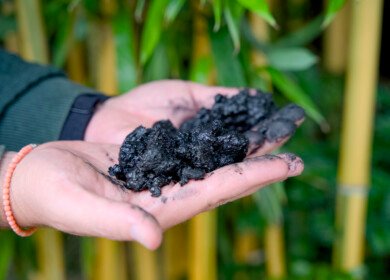
      Rice husk carbonization is emerging as a practical pathway for circular agriculture, as producers and researchers look to convert one of farming’s most abundant by-products into soil-enhancing fertilizer and renewable energy.

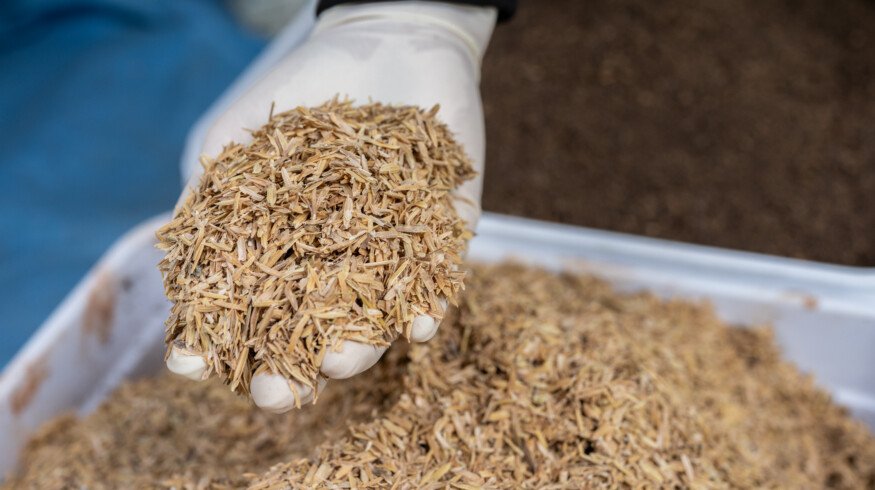
      Rice husks account for about 20% of the weight of harvested rice and have traditionally been treated as waste, often burned in the open or sent to landfills. Both practices contribute to air pollution and land-use pressures. Advances in carbonization technology are now enabling husks to be processed into biochar, creating what proponents describe as a closed-loop system linking crop production, waste management, and soil fertility.

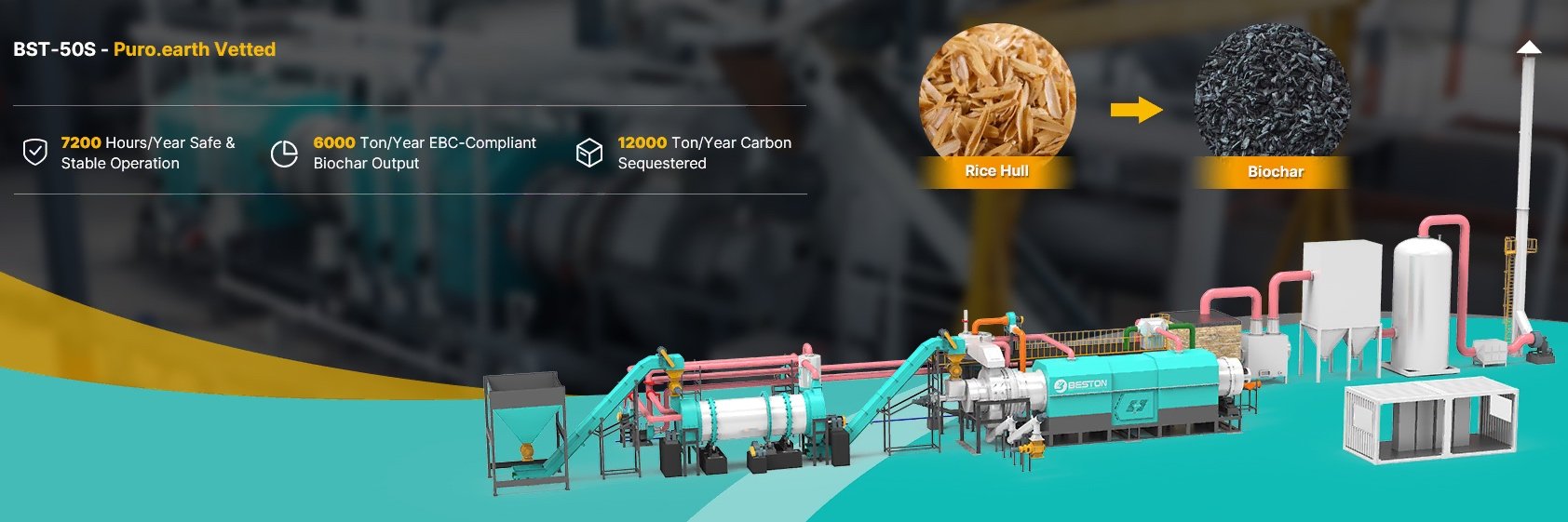
      China, the world’s largest rice producer, generates an estimated 48 million metric tons of rice husks each year. Historically, less than 60% of that volume has been reused, according to industry estimates. Carbonization technology aims to address that gap by processing husks through controlled pyrolysis in an oxygen-limited environment, producing carbon-rich biochar while capturing combustible gases that can be reused for energy, allowing the system to operate with minimal external fuel input.

      The process depends on precise temperature and moisture control. Rice husks are typically dried to a moisture content of 10% to 18% before entering a carbonization furnace, where they are gradually heated in stages from around 250 degrees Celsius to as high as 400 degrees. The resulting biochar retains a porous structure and can reach calorific values reported to exceed those of many conventional biomass fuels.
      ADVERTISEMENT

      Rice Hull Carbonizer by Beston Group.

      Once applied to farmland, rice husk biochar functions as a soil amendment rather than a conventional fertilizer. Its porous structure improves soil aeration and drainage, helps retain water and nutrients, and can increase nitrogen fertilizer efficiency by more than 30%, according to project data cited by technology providers. Because the material is alkaline, it can also help neutralize acidic soils and adsorb heavy metals and other contaminants, reducing disease pressure.

      Field trials and demonstration projects have reported measurable agronomic benefits. In vegetable production, application rates of 100 to 200 kilograms per mu as a base amendment have been associated with looser soils and lower pest incidence. A pilot project in Vietnam’s Mekong Delta found that using rice husk biochar to remediate acidified soils increased rice yields by about 18% while cutting pesticide use by 40%.

      Supporters of the technology also point to its climate implications. Recycling 10,000 tons of rice husks through carbonization can significantly reduce landfill demand and lock carbon into stable biochar, producing emissions reductions comparable, by some estimates, to planting tens of thousands of mature trees.
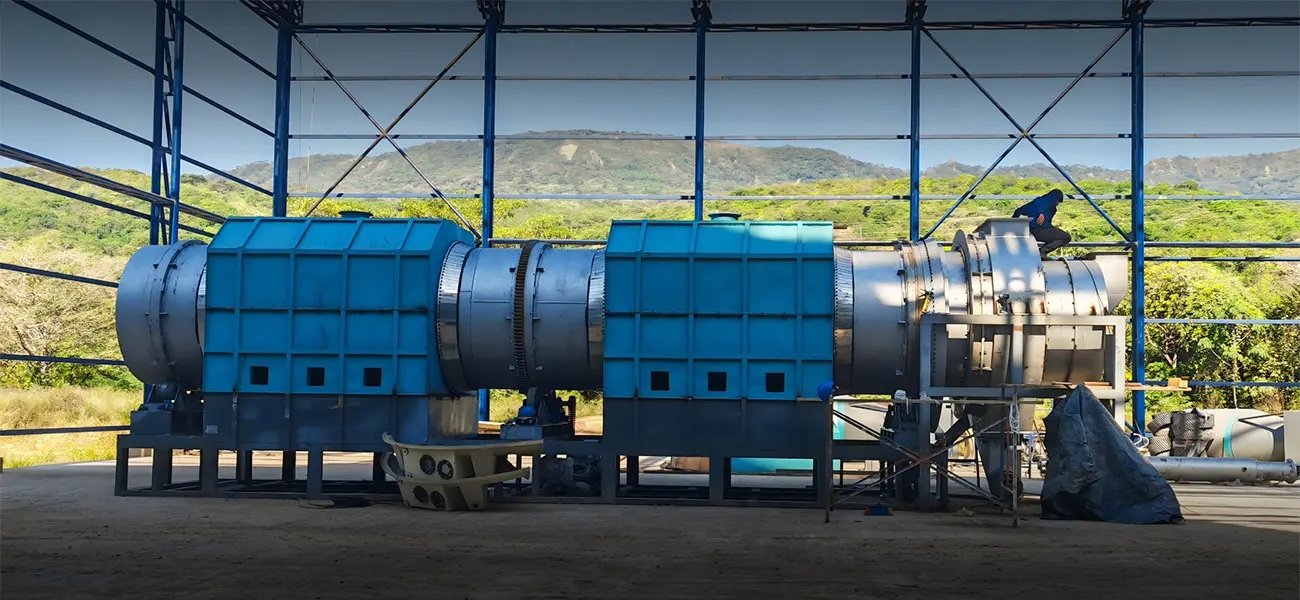
      As governments and agribusinesses pursue decarbonization and waste-reduction goals, rice husk carbonization is being positioned as a model that could be replicated for other crop residues, including wheat straw and corn cobs. Developers say future applications may extend beyond agriculture into areas such as soil remediation, water treatment, biomass energy, and activated carbon production.

      While adoption remains uneven, the approach highlights how agricultural residues can be reintegrated into production systems, turning waste streams into inputs and linking productivity gains with environmental objectives.

      biochar
      organic fertilizer
      organic waste
      rice
      rice husk

      Enjoyed this story?

      Every Monday, our subscribers get their hands on a digest of the most trending agriculture news. You can join them too!

      Sign me up
      Check the example

      Discussion0 comments

      Спасибо за комментарий, он будет опубликован на сайте после проверки модератором. Хотите, чтобы ваши комментарии появлялись на сайте мгновенно? Достаточно пройти регистрацию.
      Congratulations, you can be the first to start the conversation.
      Do you have a question or suggestion? Please leave your comment to ignite conversation.
      What’s on your mind?
      Cancel Log in and comment
      Or continue without registration
      Get notified about new comments by email.
      Advertisement
      In focus
      How to get here?
      Stock quotes
      Bayer
      10.6
      1.58
      Bayer Crop Science
      36.62
      4.59
      CF Industries
      122.31
      1.07
      Corteva Agriscience
      78.94
      0.6
      ICL Group
      5.43
      1.99
      Intrepid Potash
      37.53
      1.05
      Mosaic
      23.19
      0.13
      Nutrien
      72.91
      0.75
      Yara International
      28.83
      0.24
      See all
      Most read
      BASF acquires AgBiTech to expand biological insect control portfolio
      BASF acquires AgBiTech to expand biological insect control portfolio
      China limits fertilizer exports as the country prioritizes domestic market
      China limits fertilizer exports as the country prioritizes domestic market
      Mosaic suspends two phosphate facilities in Brazil considering their potential sale
      Mosaic suspends two phosphate facilities in Brazil considering their potential sale
      Russia limits fertilizer exports to 20 million tons through November 2026
      Russia limits fertilizer exports to 20 million tons through November 2026
      EU approves French funding for LAT Nitrogen’s Ottmarsheim hydrogen project
      EU approves French funding for LAT Nitrogen’s Ottmarsheim hydrogen project
      Events
      Argus Clean Ammonia North America
      Houston (TX), USA
      Apr 27 — 29, 2026
      CaspianAgro
      Baku, Azerbaijan
      May 5 — 8, 2026
      Fertilizer Summit
      Chicago (IL), USA
      Jun 1 — 2, 2026
      Argus Clean Ammonia Asia
      Tokyo, Japan
      Jun 2 — 4, 2026
      Wood Mackenzie Hydrogen Hydrogen Conference
      London, UK
      Jun 4, 2026
      See all
      Live
      Estebel
      April 23, 10:26 pm
      Sounds like magic ))
      MIT study: rice seeds germinate faster when exposed to rainfall sounds
      Isabelita Barreiro
      December 11, 2025, 01:54 am
      Excellent management of water resources and effective use of water-soluble fertilizers!
      Argentine nano-fertilizer firm AKO Agro expands to Brazil
      Meripa Corson
      August 4, 2025, 01:18 pm
      Where does the money actually go? As a timber land owner, how do I benefit from the legislation?
      USDA commits $80 million to expand timber markets and improve forest resilience
      Patonkas Luksompulus
      January 21, 2025, 12:36 pm
      Greece meeds biological fertilizers! Great news about De sangosse.
      DE SANGOSSE expands operations with Greek subsidiary
      Pedro Diaz
      November 20, 2024, 08:42 pm
      Is it a Roundup lawsuit or more about bad financials? I think the market reacted only to announced financial results.
      Bayer’s shares are pressed down by ongoing Roundup cancer lawsuit
      About
      Sections
      Markets  ·  Business  ·  Politics  ·  Technologies  ·  Interviews  ·  Rankings  ·  Environment
      Support
      About  ·  Team  ·  Advertise  ·  Contacts  ·  Submit a Tip  ·  Privacy Policy  ·  Terms of Service  ·  Site Map
      Copyright © 2014-2026 DigitalTree LLC. All rights reserved.
      We deliver content lightning-fast thanks to the managed cloud WordPress hosting with CDN.
      16+
      More to read
      Study finds biochar makes composting more climate-friendly
      Study finds biochar makes composting more climate-friendly
      Biochar revives as a farming practice that could boost climate efforts
      Biochar revives as a farming practice that could boost climate efforts
      Indonesia faces record-high rice prices as El Niño intensifies
      Indonesia faces record-high rice prices as El Niño intensifies
      Advertising that helps us do quality reporting