

Kazphosphate reports record output in 2025

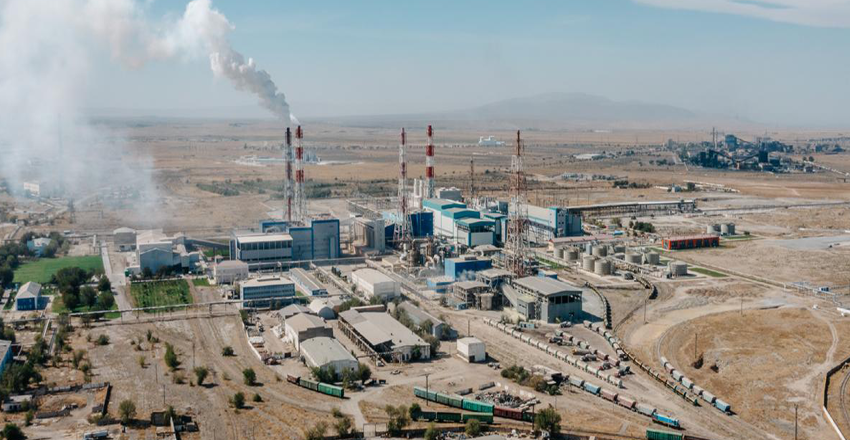
Kazakhstan’s largest producer of phosphate-based products, Kazphosphate, reported record production results for 2025, led by a sharp increase in ammophos output.
Ammophos production rose to 750,000 tons in 2025, up 58% from the previous year. The company produced 474,000 tons in 2024 and 593,000 tons in 2023. The upward trend has continued into 2026, with January output reaching a monthly record of 77,500 tons.
Sulfuric acid and tricalcium phosphate production also expanded steadily over the past three years. Sulfuric acid output increased from 166,000 tons in 2023 to 275,000 tons in 2024 and 346,000 tons in 2025. Tricalcium phosphate production rose from 11,000 tons in 2023 to 17,000 tons in 2024 and 24,000 tons in 2025.
Phosphate rock production is expected to reach 1.4 million tons by the end of 2025, marking a 32-year high, according to the company.
Kazphosphate employs about 3,200 people and operates across the phosphate value chain, including geological exploration, mining and processing of phosphate rock, and the production and sale of phosphate-based mineral fertilizers. The company supplies the domestic agricultural sector and exports to 15 countries, helping reduce Kazakhstan’s reliance on fertilizer imports.
The company attributed the production growth to improvements in operational and management processes, as well as technological upgrades. It is also expanding its product range and plans to begin producing sulfoammophos in the near term to strengthen its position in domestic and international markets.
At the same time, Kazphosphate faces external pressures, including limited availability and sharp price increases for sulfur and sulfuric acid, key inputs for phosphate fertilizer production. The tighter market for these raw materials has increased production costs, prompting additional cost-control measures.
Kazphosphate is advancing several investment projects aimed at expanding capacity and diversifying production. These include the construction of a sulfuric acid plant in Taraz with annual capacity of 800,000 tons and a monoammonium phosphate (MAP 12:52) plant in Zhanatas with planned capacity of 1 million tons per year. The projects are intended to support the creation of a closed production cycle, meet rising demand, and strengthen the company’s competitiveness and export potential.

Enjoyed this story?
Every Monday, our subscribers get their hands on a digest of the most trending agriculture news. You can join them too!



Discussion0 comments