

Indian mango growers push for modernization as climate pressures mount

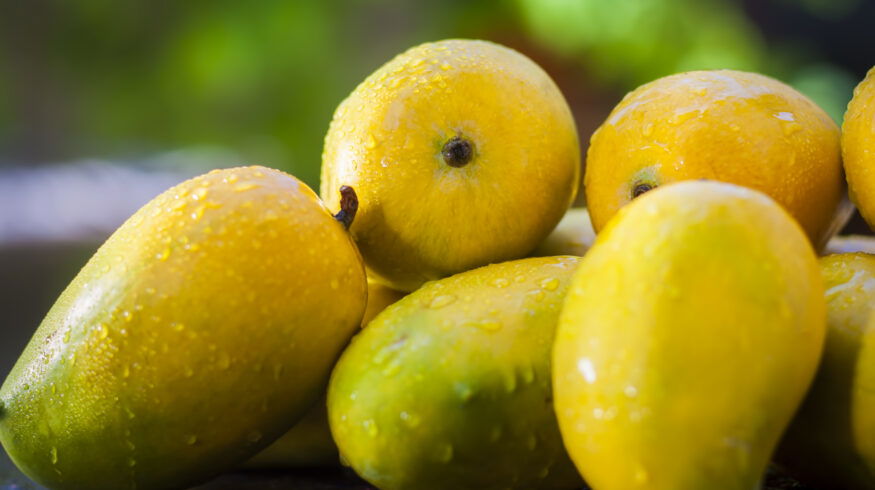
Indian mango farmers are being urged to adopt modern cultivation techniques and climate-resilient varieties as shifting weather patterns and rising input costs threaten yields in the world’s largest mango-producing country.
India harvests about 23 million tonnes of mangoes annually, accounting for nearly one-fifth of its total fruit output. But growers say production has become increasingly unpredictable. Upendra Singh, a fourth-generation farmer in Uttar Pradesh, said flowering and harvesting cycles are no longer consistent, while spending on pesticides, irrigation and labor continues to climb even as yields decline. Scientists at the Central Institute for Subtropical Horticulture under the Indian Council of Agricultural Research warn that mango trees are highly temperature-sensitive, making them vulnerable to prolonged cold spells, strong winds and irregular rainfall linked to climate change.
Researchers are developing new mango varieties that can better withstand temperature swings and resist pests, though breeding cycles can take years. Genome sequencing of the Alphonso variety in 2016 has helped accelerate identification of traits tied to sweetness, color and climate resilience. Farmers are also adopting techniques such as high-density planting, scientific pruning, fruit “bagging” to protect against pests and sun damage, and girdling to stimulate flowering. Some exporters, including Berrydale Foods, are experimenting with greenhouse cultivation to meet strict international pest standards, arguing that controlled environments may become essential as climate volatility increases.
Sources: BBC

Enjoyed this story?
Every Monday, our subscribers get their hands on a digest of the most trending agriculture news. You can join them too!





Discussion0 comments