


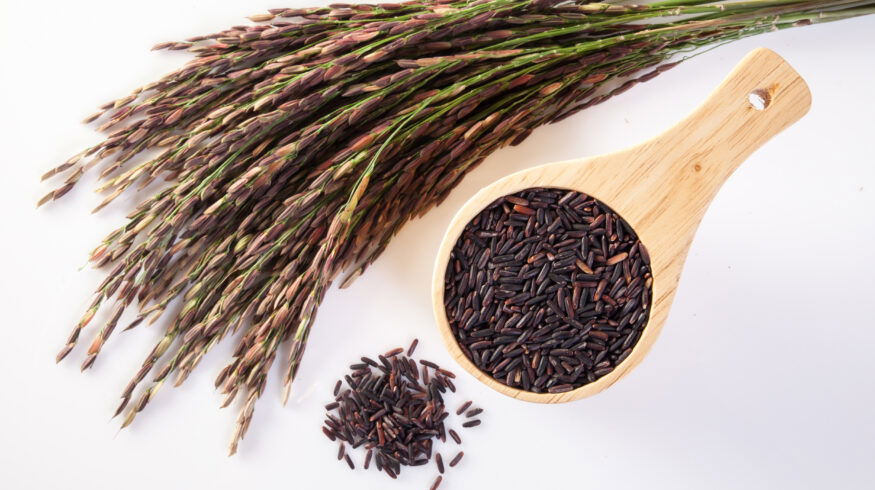
The projects, led by rice breeder and geneticist Shyamal Talukder at Texas A&M University, aim to accelerate the development of improved rice varieties while expanding the commercial potential of specialty types such as purple rice, which is valued for its nutritional properties.
One initiative, funded by the USDA National Institute of Food and Agriculture, focuses on improving yield and grain quality in both main and ratoon crops, a second harvest grown from regrowth after the initial cutting. The research integrates drone-based imaging, high-throughput phenotyping, molecular marker development and machine learning to streamline breeding and identify desirable traits faster.
Reducing breeding timelines could allow faster release of higher-yielding varieties, helping growers improve productivity at a time when rice producers globally face pressure to increase efficiency and remain cost-competitive.
A second project, supported by the USDA Agricultural Research Service, targets purple rice, a niche category rich in anthocyanins, antioxidant compounds associated with health benefits. While demand for specialty grains has grown, lower yields have limited widespread adoption by producers.
Researchers aim to improve both yield and nutritional characteristics, potentially enabling farmers to diversify into premium rice segments that offer stronger margins than conventional varieties.
Rice is a staple crop worldwide, and advances in breeding technology in major producing countries such as the United States can influence global production trends, particularly as exporters compete on both price and quality.








Discussion0 comments