

USDA unveils Great American Cotton Plan to boost farm profitability and revive domestic textile industry

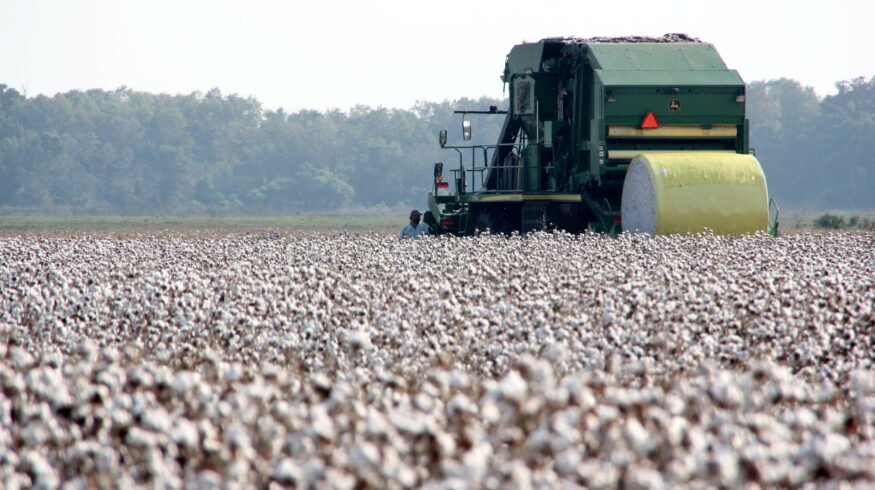

The U.S. Department of Agriculture has launched the Great American Cotton Plan, a broad initiative aimed at improving profitability for cotton growers, rebuilding domestic textile manufacturing, expanding exports, and increasing consumer demand for products made with American-grown cotton. Announced by Agriculture Secretary Brooke Rollins, the plan comes as U.S. cotton producers face a fifth consecutive year of negative returns amid rising production costs, foreign competition, and growing use of synthetic fibers.
USDA estimates cotton growers could lose approximately $2.6 billion across 9 million planted acres in the upcoming crop year. The agency said the U.S. cotton industry generates more than $21 billion annually in products and services, supports more than 125,000 jobs, and creates roughly $15 in economic activity for every dollar generated at the farm gate. However, the sector has lost ground globally, with the United States falling behind Brazil as the world’s leading cotton exporter, while domestic textile manufacturing capacity has steadily declined. The USDA plan also elevates the administration’s “Plant Not Plastic” initiative, promoting cotton as a natural, biodegradable alternative to petroleum-based synthetic fibers.
The strategy is built around four pillars. To stimulate domestic consumption, USDA will continue funding its BioPreferred program and implement higher marketing loan rates for upland and extra-long staple cotton beginning with the 2026 crop year. To support domestic manufacturing, the agency will prioritize cotton processors and manufacturers under Rural Development loan programs and increase payments under the Economic Adjustment Assistance for Textile Mills program from 3 cents to 5 cents per pound of cotton processed. The plan also includes support for the bipartisan Buying American Cotton Act and continued funding through the Pima Agriculture Cotton Trust Fund.
On trade, USDA plans to expand export promotion efforts and build on recent agreements secured with Indonesia and Bangladesh. Under the agreements, Indonesia committed to facilitating imports of at least 163,000 metric tons of U.S. cotton annually for five years, while Bangladesh agreed to tariff incentives for apparel manufactured using American cotton and textile inputs. USDA also highlighted the role of Cotton Council International’s COTTON USA licensing program, which helped generate additional U.S. cotton purchases by major textile manufacturers.
The final pillar focuses on risk management for growers. USDA researchers are increasing efforts to combat the spread of the cotton jassid pest, while recent legislative changes expand access to Supplemental Coverage Option insurance products and increase seed cotton reference prices under Agriculture Risk Coverage and Price Loss Coverage programs by 14% beginning in fall 2026. Payment limits under ARC and PLC programs for cotton growers have also been increased and indexed to inflation.

Enjoyed this story?
Every Monday, our subscribers get their hands on a digest of the most trending agriculture news. You can join them too!







Discussion0 comments