

Switch Bioworks launches U.S. field trials for engineered microbial nitrogen fertilizer

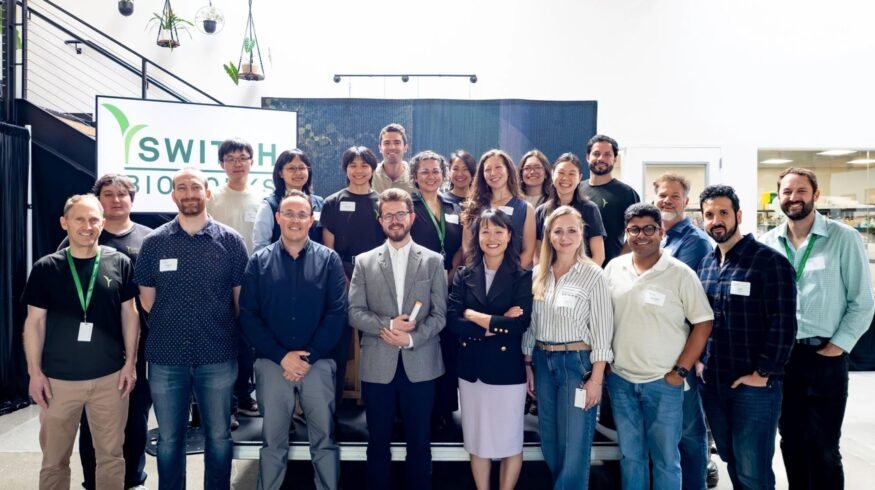

Switch Bioworks has launched field trials of its engineered microbial fertilizer technology after receiving authorization from the U.S. Department of Agriculture and the U.S. Environmental Protection Agency, marking a key milestone in the company’s efforts to commercialize biological alternatives to conventional nitrogen fertilizers.
The California-based biotechnology company is testing its microbial fertilizer in corn fields across multiple locations in the U.S. Midwest. The trials will evaluate how effectively the engineered microbes establish themselves on plant roots and produce nitrogen under commercial farming conditions. Data from the program will be used to refine the company’s microbial discovery and engineering platform, which originated at Stanford University.
Unlike conventional nitrogen fertilizers, which are produced using natural gas-intensive industrial processes, Switch Bioworks’ technology relies on engineered microbes that capture nitrogen from the atmosphere and convert it into ammonia directly at the plant root. The company said its approach addresses a longstanding challenge in microbial fertilizer development by using a genetically encoded switch that allows microbes to first colonize roots before activating nitrogen production, helping balance the competing energy demands of growth and fertilizer generation.
The field trial program comes as policymakers and agricultural stakeholders seek ways to strengthen fertilizer supply chain resilience and reduce production costs. Recent federal initiatives, including executive actions aimed at fertilizer and herbicide supply chains and legislative proposals to expand domestic fertilizer production, have highlighted concerns over dependence on concentrated global supply networks.
Switch Bioworks, founded in 2022 and headquartered in San Carlos, said the trials were approved through established USDA and EPA biotechnology regulatory pathways. The company plans to use the results to advance product development and move its microbial fertilizer platform closer to commercialization. Investors and industry observers view biological nitrogen-fixing technologies as a potential long-term alternative to synthetic fertilizers, which remain essential to global crop production but face growing scrutiny over their environmental footprint and exposure to energy market volatility.

Enjoyed this story?
Every Monday, our subscribers get their hands on a digest of the most trending agriculture news. You can join them too!






Discussion0 comments