

Nebraska farmer sees weed suppression, soil gains from interseeding cover crops

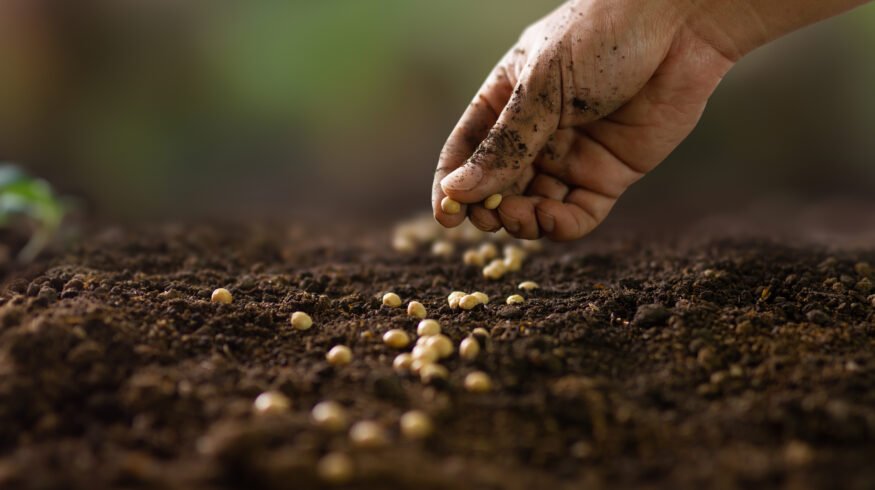

A south-central Nebraska farmer is reporting promising results from interseeding cover crops into corn and soybean fields, citing reduced weed pressure, improved soil health, and additional forage for livestock. Jordan Uldrich, a fifth-generation farmer in Fillmore County, said cover crops act as a form of weed suppression by competing directly with unwanted plants, complementing traditional herbicide programs rather than replacing them.
Uldrich interseeds diverse cover crop mixes into corn fields when plants reach the V2 growth stage. Species in last year’s blend included buckwheat, cow peas, oats, ryegrass, collards, clover, and alfalfa. He said visible differences in weed growth emerged in fields where cover crops were planted, compared with adjacent areas left untreated. Research has shown that some cover crops, particularly rye and oats, can suppress weeds through allelopathy, a process in which plants release natural compounds that inhibit the growth or germination of competing species.
Beyond weed management, Uldrich said cover crops help protect and improve soil by keeping fields covered before crop canopies close, increasing carbon inputs, and supporting diverse soil microbial communities. He estimates seed costs at about $25 per acre and said the practice has enabled him to reduce herbicide applications to a single treatment each season. Cover crops also provide grazing opportunities for his cattle after harvest, creating an additional benefit for the farm’s integrated crop and livestock operation.
The 2026 growing season has presented weather challenges across the region. After several weeks of dry conditions, Uldrich’s farm received about five inches of rain along with hail and strong winds in mid-May, causing damage to irrigation equipment and farm infrastructure. While some neighboring producers were forced to replant damaged fields, Uldrich said his corn crop emerged in good condition, though cool spring temperatures slowed soybean emergence.
Uldrich farms conventional corn, soybeans, milo, and rye alongside a small beef herd. He has adopted a range of regenerative agriculture practices, including cover crop interseeding and rotational grazing, and serves as a board member of the Nebraska Soil Health Coalition, where his farm operates as a demonstration and education site.

Enjoyed this story?
Every Monday, our subscribers get their hands on a digest of the most trending agriculture news. You can join them too!




Discussion0 comments