

Sustainable alternatives struggle to challenge plastics despite growing push to cut ocean pollution

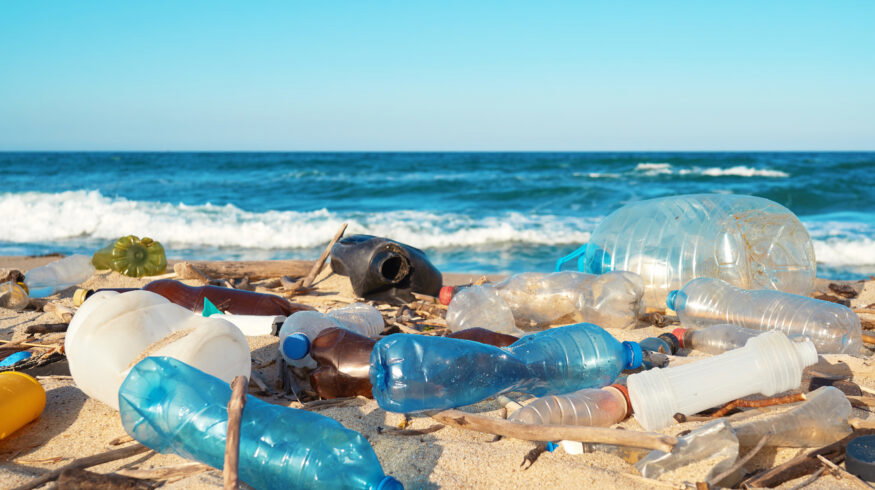

Plastic alternatives such as seaweed-based packaging, bamboo products and natural fibers continue to face significant barriers to widespread adoption, despite growing international efforts to reduce plastic pollution and curb dependence on fossil-fuel-based materials.
According to the latest World Ocean Assessment, plastic pollution remains one of the most pressing environmental challenges. Only about 10% of plastics produced globally are recycled, while an estimated 52 million metric tons of plastic waste enter the oceans annually. The pollution affects more than 4,000 marine species, and researchers estimate that a blue whale can ingest up to 10 million microplastic particles each day.
The findings come as countries continue negotiations toward a global plastics treaty that could eventually place limits on plastic production. The treaty talks, underway for six years, are expected to resume in March 2027.
Trade Barriers Favor Conventional Plastics
A major obstacle facing sustainable alternatives is their inability to compete economically with conventional plastics.
The global market for plastic substitutes reached approximately USD 485 billion in 2023, but industry growth remains constrained by tariffs, limited market access and weak regulatory support. According to the United Nations Conference on Trade and Development (UNCTAD), tariffs on plastic and rubber products have fallen sharply over the past three decades, declining from 34% to 7.2%.
By contrast, alternatives including paper, bamboo, seaweed and natural fibers face average tariffs of 14.4%, roughly double the rate applied to plastics. UNCTAD argues that these policies place environmentally preferable materials at a competitive disadvantage.
“Plastics have benefited from decades of market maturation, scale, infrastructure and favorable trade conditions,” the agency said.
Biodegradable Materials Face Practical Challenges
Even when alternatives reach the market, environmental performance can vary significantly.
Experts warn that many biodegradable plastics require industrial composting facilities with controlled temperatures and moisture levels to break down effectively. Such conditions are rarely present in marine environments, meaning some products may persist longer than consumers expect.
Researchers also caution that certain plant-based materials may compete with agricultural land needed for food production, potentially creating new sustainability concerns.
Ian Butler, a chief editor of the World Ocean Assessment, said public perception that biodegradable plastics have solved the pollution problem risks creating complacency while broader waste-management issues remain unresolved.
Rising Energy Costs Create New Opportunities
Despite these challenges, recent disruptions in petrochemical markets have improved the competitiveness of alternative materials.
Up to 98% of conventional plastics are derived from fossil fuels, making production vulnerable to fluctuations in energy prices. Following the closure of the Strait of Hormuz earlier this year, polyethylene resin prices in Europe reportedly rose by 70% to 80% between February and April 2026.
The increase has renewed interest in renewable materials that are less dependent on fossil-fuel supply chains.
Seaweed Emerges as a Promising Alternative
Among the most promising substitutes is seaweed-based packaging, which can be fully compostable and requires neither freshwater, fertilizer nor agricultural land to grow.
Global seaweed production has tripled during the past two decades, while exports reached USD 3.9 billion in 2022. Companies developing seaweed-based materials argue that larger production volumes could eventually lower costs and improve competitiveness against plastics.
However, industry growth remains limited by fragmented regulations and incomplete international trade classifications. While global seaweed production totaled 36.3 million metric tons in 2022, only about 750,000 metric tons entered international trade.
The lack of harmonized rules increases compliance costs and creates challenges for producers, particularly small businesses in developing coastal economies seeking access to export markets.
Calls for Stronger Policy Support
UNCTAD says sustainable alternatives will require coordinated policy support to compete effectively with conventional plastics. Recommended measures include reducing tariff disparities, improving access to raw materials, investing in innovative products and building infrastructure needed to scale production sustainably.
Industry participants remain cautiously optimistic, citing rising consumer demand for environmentally friendly products, corporate sustainability commitments and new regulations aimed at reducing unnecessary plastic waste.
Without stronger incentives and clearer regulatory frameworks, however, experts warn that sustainable alternatives may struggle to gain significant market share against a plastics industry that exceeded USD 1.1 trillion in value in 2023.
Source: UN News

Enjoyed this story?
Every Monday, our subscribers get their hands on a digest of the most trending agriculture news. You can join them too!





Discussion0 comments