

Solar panels on rewetted peatlands may boost biodiversity while generating clean energy, study finds

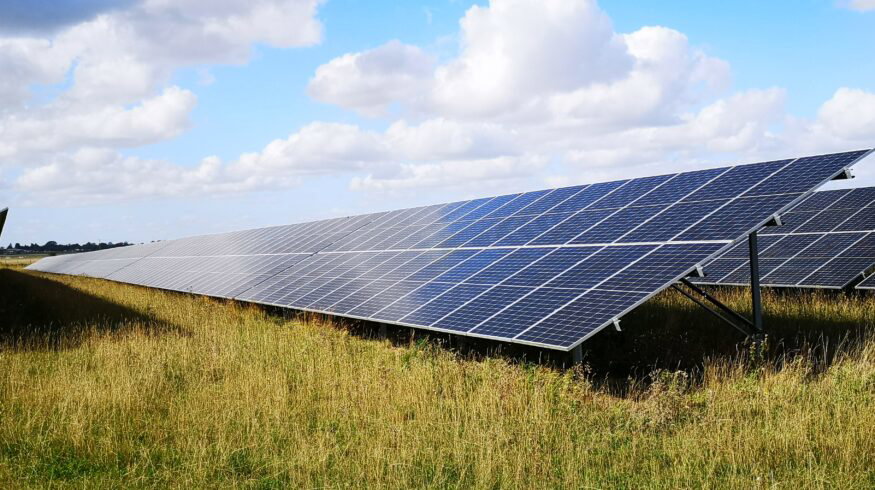

Solar parks built on rewetted peatlands could provide a rare combination of renewable energy generation, carbon emission reductions, and biodiversity gains, according to a new study by researchers at the University of Greifswald in Germany.
The study, published in the journal Ecological Solutions and Evidence, examined a solar park located on a rewetted peatland site in northern Germany and compared bird diversity there with nearby drained peatlands used for intensive agriculture. Researchers found that the solar park supported several threatened bird species and hosted an unusual mix of birds typically associated with wetlands, farmland, and woodland habitats.
Lead author Hanna Rae Martens, a peatland ecologist at the University of Greifswald, said the return of species such as reed buntings and the endangered meadow pipit indicates that peatland restoration efforts are beginning to attract native wildlife. Researchers also observed species not usually found in peatlands, including Eurasian tree sparrows and tree pipits, which appeared to use solar panel structures as perches while feeding.
Peatlands are considered critical carbon sinks, but decades of drainage for agriculture have left many degraded. Around 80% of peatlands in the United Kingdom and approximately 95% in Germany are degraded, while drained peatlands globally account for about 5% of greenhouse gas emissions. Rewetting these ecosystems can significantly reduce emissions and restore biodiversity, but often limits conventional agricultural production and may require decades for full ecological recovery.
The German study site is among the first projects to combine peatland rewetting with solar energy production. Under a government-supported program, landowners receive incentives to restore peatlands and install solar panels, creating an alternative source of revenue. Researchers suggest this approach could help accelerate peatland restoration while supporting renewable energy targets.
However, the authors cautioned that their findings are based on a single case study. Only about five solar parks currently operate on rewetted peatlands, and additional research is needed to determine whether similar biodiversity benefits occur elsewhere. The research team plans to expand monitoring to additional sites and study impacts on other wildlife, including bats and insects, while exploring ways to optimize solar park designs for conservation outcomes.
Source: Phys.org

Enjoyed this story?
Every Monday, our subscribers get their hands on a digest of the most trending agriculture news. You can join them too!








Discussion0 comments