

Agriculture takes center stage as key climate solution ahead of COP30 in Brazil



With agriculture responsible for nearly a quarter of global greenhouse gas emissions, the upcoming COP30 climate summit in Belém this November is placing unprecedented focus on transforming the sector from climate problem to climate solution.
As world leaders prepare to gather in the Brazilian Amazon, agricultural innovation company Syngenta Group is highlighting five key strategies to make farming both more productive and more sustainable — a dual challenge that experts say is critical to feeding a projected global population of 10 billion by 2050 while staying within climate targets.
“We are at a pivotal moment, where agriculture not only feeds the world but also must unleash its potential to become a solution to climate change,” says Petra Laux, Chief Sustainability Officer of Syngenta Group. The challenge is particularly acute given that nearly 40% of Earth’s landmass is already devoted to food production, making expansion unsustainable.
Five pathways to sustainable agriculture
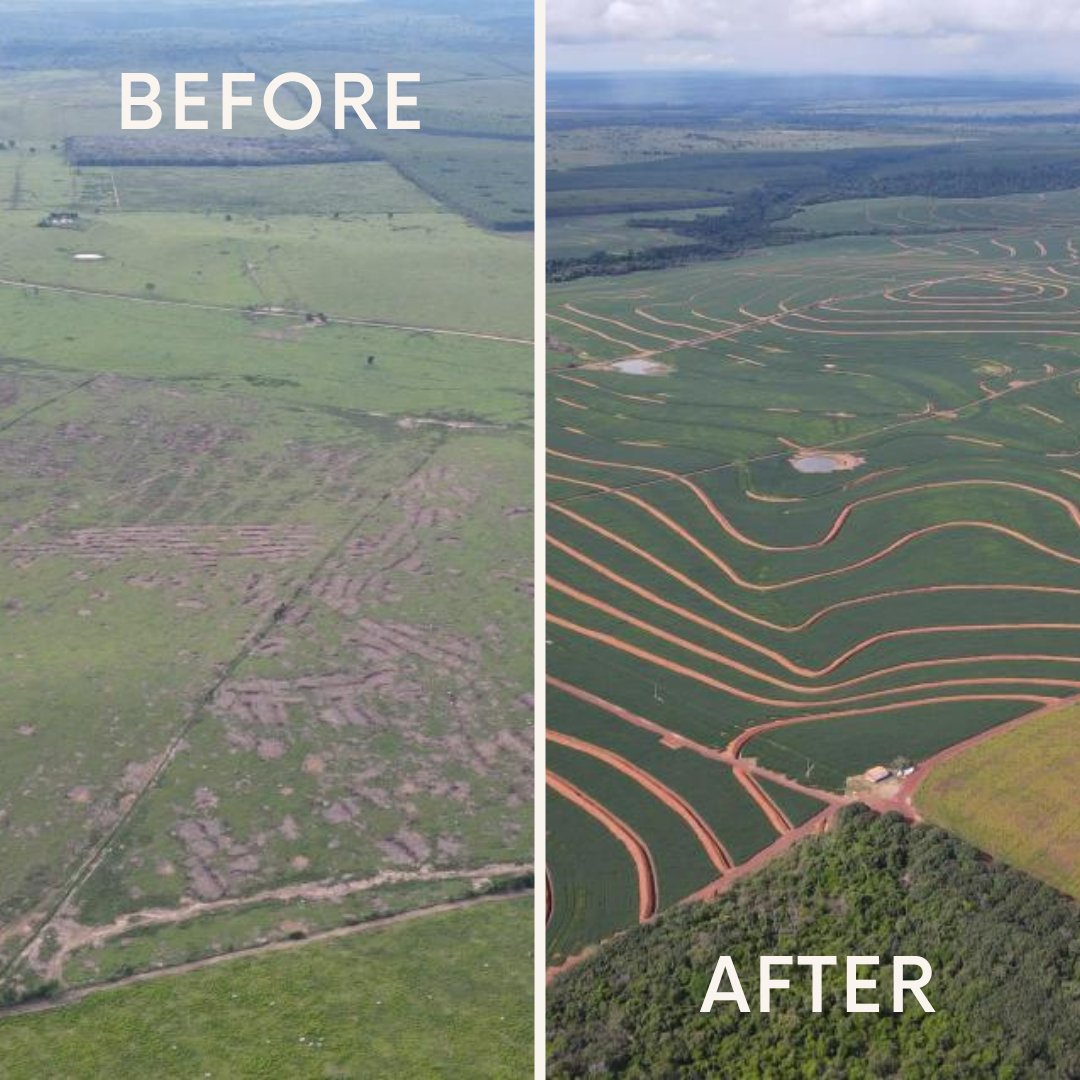
Syngenta’s proposed solutions include revitalizing degraded farmland through innovative soil restoration techniques, advancing climate-resilient crop varieties that require less water and resist pests naturally, and increasing productivity through nature-based products like beneficial microorganisms and plant extracts.
The company also advocates for precision agriculture that applies crop protection products only where needed, and regenerative practices such as cover crops and minimal tillage that build soil health while sequestering carbon.
These innovations come at a critical juncture. A September 2025 Virginia Tech report revealed that global agricultural productivity grew at just 0.76% last year, while demand for agricultural products is expected to increase by over 1% annually until 2031. To sustainably feed the planet, productivity growth must accelerate to 2% per year through 2050.
A November 2024 Deloitte study underscores the urgency, finding that 50% of needed improvements in food supply and 40% of additional calories required globally must come from accelerated innovation and technology.
From problem to solution in Brazil
Brazil, hosting COP30 in its Amazon gateway city, is itself a testing ground for these approaches. Through its REVERTE program, Syngenta is targeting the recovery of 1 million hectares of degraded land, partnering with The Nature Conservancy in the Cerrado biome. The initiative aims to make land restoration more profitable for farmers than clearing native vegetation — directly addressing a major driver of deforestation.
On November 11, Syngenta will partner with The Economist to host a high-level panel discussion at COP30 titled “Farming for the Future: Boosting Agricultural Productivity While Protecting the Planet.” The session will bring together agricultural leaders, environmental experts, and policymakers to explore land restoration, soil health, and financing solutions.
As the Food and Agriculture Organization prepares to unveil a new roadmap at the summit, the message is clear: agriculture must evolve from being a significant source of emissions to becoming a cornerstone of climate action — and innovation will be key to making that transformation possible.

Enjoyed this story?
Every Monday, our subscribers get their hands on a digest of the most trending agriculture news. You can join them too!





Discussion0 comments