

Syngenta launches Virestina herbicide technology targeting resistant grass weeds

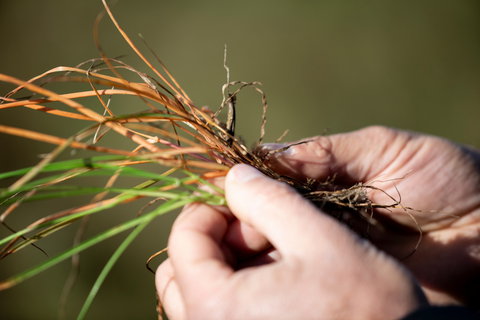
Syngenta has introduced VIRESTINA technology, a new herbicide platform designed to control resistant grass weeds in soybean and cotton, marking what the company describes as the first major breakthrough of its kind in nearly four decades. The technology, based on the active ingredient metproxybicyclone, has received its first regulatory approval in Argentina, with further launches planned in Brazil, Australia, the U.S., and Canada.
The rollout comes as herbicide resistance continues to spread globally, affecting farmers across more than 75 countries and over 100 crops. Grass weeds account for a significant share of resistant species, reducing yields and increasing production costs. VIRESTINA is designed to address resistance to widely used herbicides such as glyphosate and clethodim, while maintaining crop safety and reducing environmental impact through rapid soil breakdown and fewer required field passes.
The product was developed at Syngenta’s Jealott’s Hill research center in the U.K. using predictive science, reaching commercialization in about 10 years—faster than the industry average. The launch forms part of the company’s broader strategy to expand its crop protection pipeline, which includes plans to introduce at least 20 new technologies over the next decade, spanning chemical and biological solutions as well as digital agriculture tools.

Enjoyed this story?
Every Monday, our subscribers get their hands on a digest of the most trending agriculture news. You can join them too!




Discussion0 comments