

Prairie View A&M launches $1 million biochar processing unit to convert crop residue into soil amendment

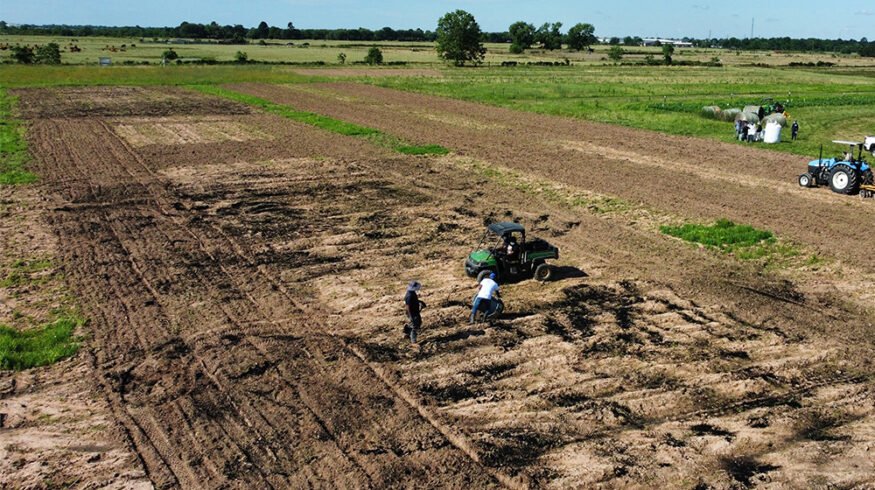

Researchers at Prairie View A&M University in Texas have installed a $1 million automated biochar processing unit that converts agricultural crop residue into a carbon-rich soil amendment — an approach designed to improve soil structure and nutrient retention while reducing dependence on synthetic fertilizers.
The project is led by Dr. Ram Ray, a professor in PVAMU’s College of Agriculture, Food, and Natural Resources, whose research focuses on sustainable soil management and carbon cycling. The automated processing unit enables the team to produce biochar more efficiently and at larger scale than previous laboratory-based methods, allowing for field-scale demonstrations.
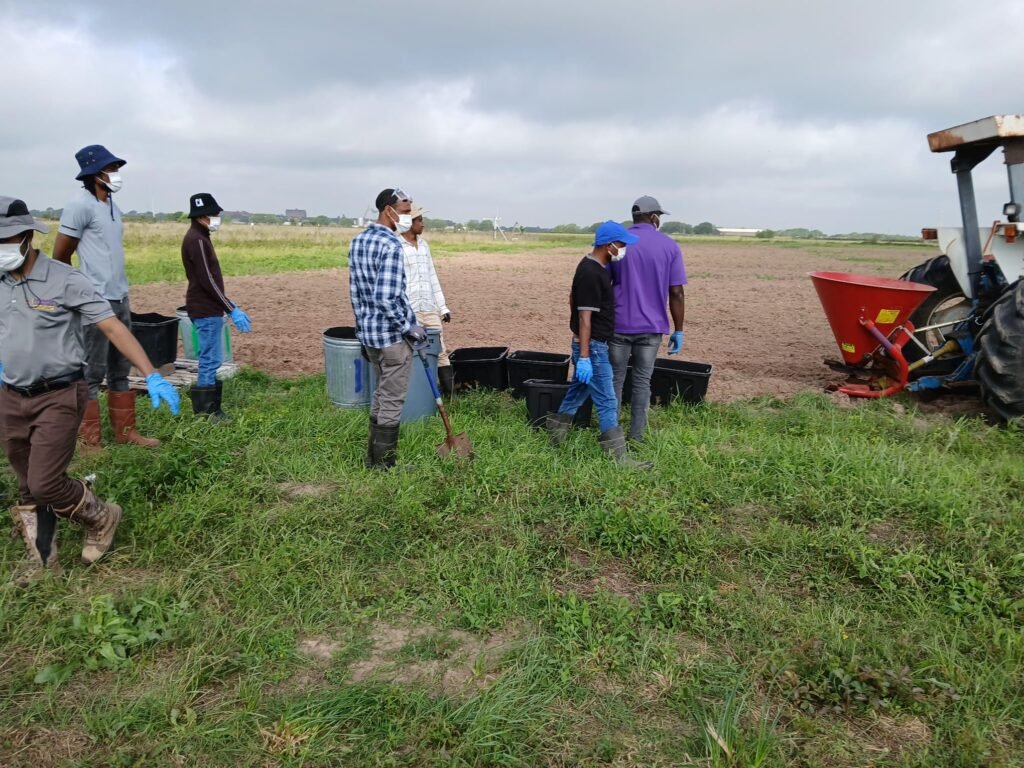
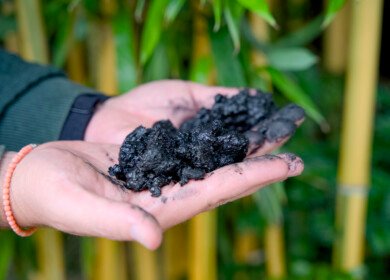
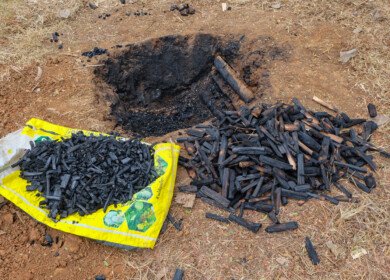
Biochar is produced through pyrolysis — heating organic matter such as corn stover, wheat straw, or other crop residue in low-oxygen, high-temperature conditions. The resulting charcoal-like material is highly porous, with a surface structure that improves microbial habitat in the soil, increases water retention, and reduces nutrient leaching. Research published in the journal Biochar has found that application can improve soil health, boost microbial diversity, and sequester carbon for decades.
PVAMU plans to extend the project’s reach through outreach programs in which farmers bring crop waste to the facility and receive processed biochar in return. The dual function — waste diversion and soil amendment production — positions the unit as a practical complement to existing fertility programs rather than a replacement for them.
The announcement comes amid growing interest in biochar as an input in the context of elevated synthetic fertilizer prices. Global biochar market research firm Zion Market Research valued the sector at $1.7 billion in 2023 and projects annual growth above 13% through 2030, driven by carbon credit markets and demand from regenerative agriculture programs.
Source: PVAMU

Enjoyed this story?
Every Monday, our subscribers get their hands on a digest of the most trending agriculture news. You can join them too!




Discussion0 comments