

Australian researchers propose “smart soil” approach to reduce pipeline corrosion

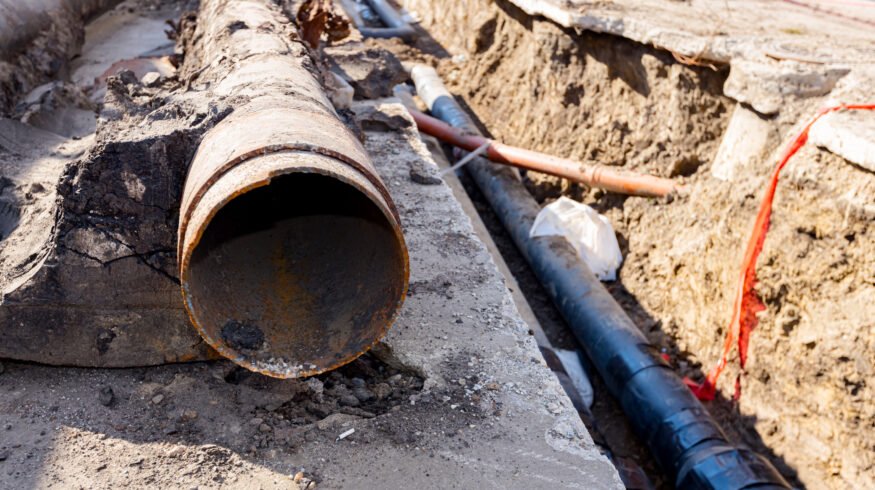

Monash University researchers are developing new methods to protect Australia’s underground water pipelines by redesigning the soil surrounding buried pipes. Their goal is to reduce corrosion-related failures and extend infrastructure life.
The study, published in Geotechnical and Geological Engineering, explores how engineered backfill materials can serve as active corrosion protection, not just structural support. Australia has approximately 260,000 kilometers (161,500 miles) of pipelines, with about 80% buried and primarily made of corrosion-prone metals. Corrosion-related failures are estimated to cost up to AUD 1 billion annually (about USD 650 million) in repairs, maintenance, water losses, and replacements.

Lead author Thisara Senarathna noted that industry practices typically emphasize the structural properties of backfill materials, even though soil conditions significantly affect corrosion rates. The research examined factors including moisture, soil acidity, salinity, electrical resistivity, and compaction, all of which impact the degradation of buried ductile iron pipelines. Researchers are also exploring resistive backfill materials, new construction methods, and modeling techniques to minimize corrosion across pipeline networks, particularly in dense urban areas where adjacent pipes may interact.
Co-author Jayantha Kodikara, director of the ARC Smart Pavements Hub, stated that the findings support a shift toward performance-based infrastructure design standards that integrate geotechnical engineering and corrosion management. The proposed approach may provide a cost-effective way to enhance infrastructure durability, reduce maintenance needs, and lessen the environmental impact of replacing aging underground assets.
Sources: Phys.org, Geotechnical and Geological Engineering study abstract

Enjoyed this story?
Every Monday, our subscribers get their hands on a digest of the most trending agriculture news. You can join them too!








Discussion0 comments