

British researchers advance drought-resistant rice project to support global food security

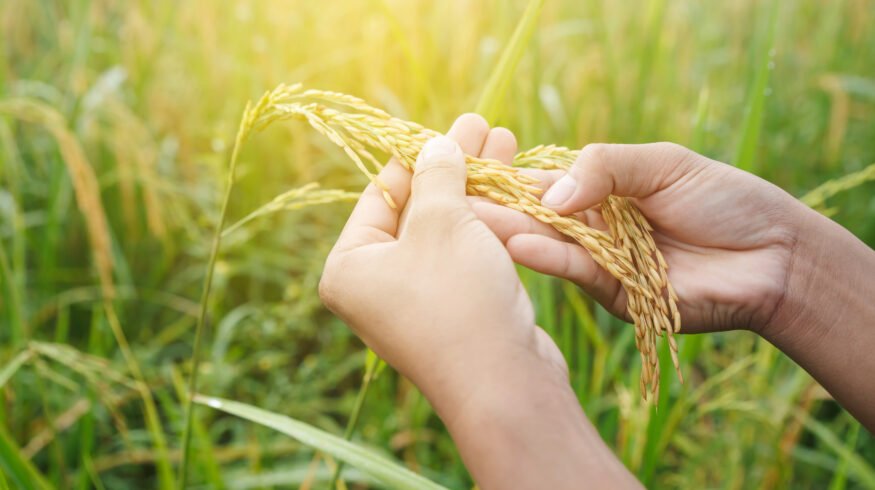

Researchers at the University of Nottingham are developing rice varieties that can withstand drought and higher temperatures, addressing climate change threats to global rice yields.
The research aims to identify genetic traits that enhance rice resilience to heat stress and water shortages. At the Sutton Bonington campus, scientists are testing rice plants with climate-resilient genes in controlled growth rooms that simulate drought and high temperatures. Professor Erik Murchie notes that a 1°C rise in global temperatures can reduce rice yields by about 6%, and more frequent heatwaves are increasing production risks.
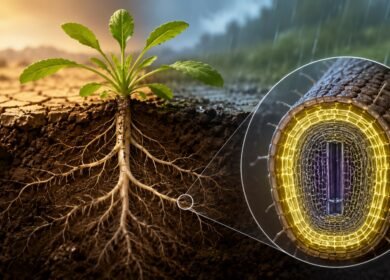
The Nottingham team uses micro-CT scanning at the Hounsfield Facility to study rice root responses to environmental changes without harming the plants. This research may help identify root structures that access deeper soil moisture, improving drought tolerance in rice-growing regions.
The project, in partnership with the International Rice Research Institute, will conduct three years of field testing in the Philippines. Funded by the UK government’s International Climate Finance initiative, the research supports climate adaptation in developing countries. Scientists believe the findings could benefit breeding programs in major rice-producing nations such as Bangladesh, India, Pakistan, and Thailand, which face growing climate-related risks.
Sources: BBC

Enjoyed this story?
Every Monday, our subscribers get their hands on a digest of the most trending agriculture news. You can join them too!




Discussion0 comments