

Scientists identify gene responsible for drought-resistant root barriers in plants

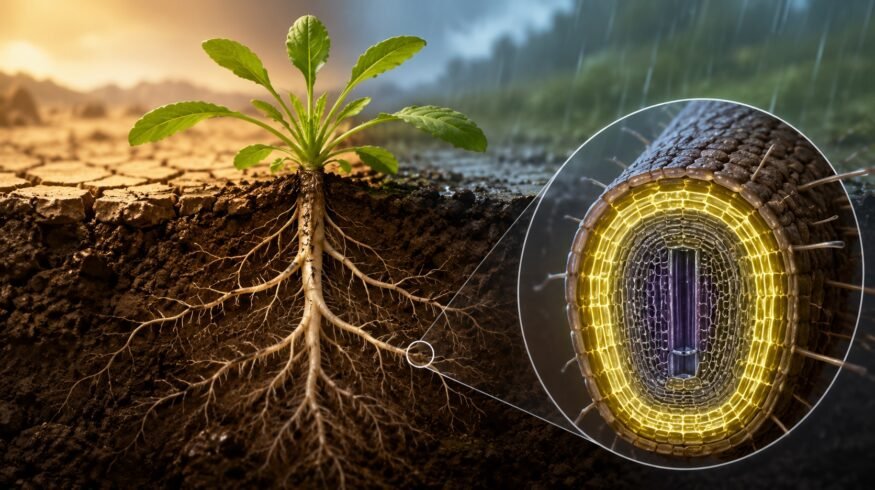

Researchers in Switzerland have discovered a previously unknown gene that regulates the formation of suberin, a waxy, cork-like barrier in plant roots that reduces water loss during drought. This discovery may support the development of crops with enhanced tolerance to erratic rainfall and rising temperatures.
The study, conducted by researchers at the University of Geneva and the University of Lausanne, examined 284 natural varieties of the model plant Arabidopsis thaliana. The results showed that plants from hotter and drier climates consistently developed thicker suberin barriers in their roots, especially near the root tip where water retention is essential. These findings were published in Nature Plants.
The research team identified a gene, designated SUBER GENE1 (SBG1), that regulates the extent of suberin deposition in root tissues. According to lead author Jian-Pu Han, plants with more active versions of SBG1 formed stronger barriers, whereas less active versions resulted in weaker and patchier protection. The gene is also associated with abscisic acid, a plant hormone involved in drought stress responses.
The findings may have implications beyond laboratory studies. Major agricultural crops such as wheat, rice, and tomatoes utilize similar root barrier systems to regulate water uptake and retention. Targeting SBG1-related pathways could assist breeders in developing crops with improved adaptation to drought and climate variability.
Marie Barberon, associate professor of plant sciences at the University of Geneva, stated that the study demonstrates the regulation of hormonal responses associated with suberin formation is a central component of plant adaptation to climate stress.
Sources: Earth.com, Nature Plants

Enjoyed this story?
Every Monday, our subscribers get their hands on a digest of the most trending agriculture news. You can join them too!





Discussion0 comments