

Australia’s soils losing ability to shield crops from heat, researchers warn

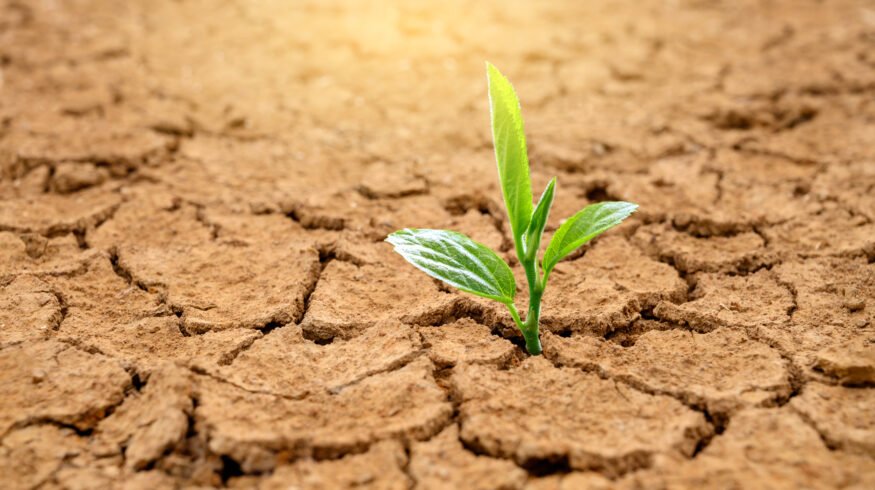

Australian researchers have identified widespread “thermal gaps” in soils across southeastern and central Australia, warning that degraded and drying soils are losing their ability to protect crops and landscapes from extreme heat.
The study mapped Australia’s soil thermal buffering capacity for the first time, comparing soils’ natural ability to absorb heat and stabilize temperatures with their current condition after decades of farming, land-use change and climate warming. Researchers found that healthy soils rich in water and organic matter can function like thermal insulation, slowing temperature swings and helping shield plant roots during heatwaves.
The findings suggest that when soils become dry, bare or degraded, ground temperatures rise more rapidly, increasing stress on crops, pastures and soil ecosystems. Researchers said this loss of buffering capacity could worsen the impacts of flash droughts, which develop rapidly when high temperatures, dry winds and low soil moisture occur together. Sandy soils were identified as particularly vulnerable because they retain less water and heat up quickly under direct sunlight, while clay-rich soils and some iron-rich northern Australian soils retained stronger thermal buffering characteristics.
The researchers said soil management practices could help restore some of this lost protection. Techniques such as stubble retention — leaving crop residue on fields after harvest — and cover cropping can improve soil moisture retention, reduce surface heating and add organic matter. Overseas studies cited in the research showed covered soils remained cooler and retained more moisture than bare ground during hot conditions.
The team said the new national map should serve as a starting point for farm-level monitoring and adaptation strategies. Future work will combine soil maps with local temperature and moisture sensors to help farmers detect heat stress below ground before crop damage becomes visible. Researchers said the data could eventually support practical tools such as heat-risk alerts, irrigation guidance and paddock-level management maps aimed at improving resilience in a hotter and drier climate.
Sources: The Conversation

Enjoyed this story?
Every Monday, our subscribers get their hands on a digest of the most trending agriculture news. You can join them too!






Discussion0 comments