

Conservation groups move to force EPA action on atrazine pollution in U.S. waterways

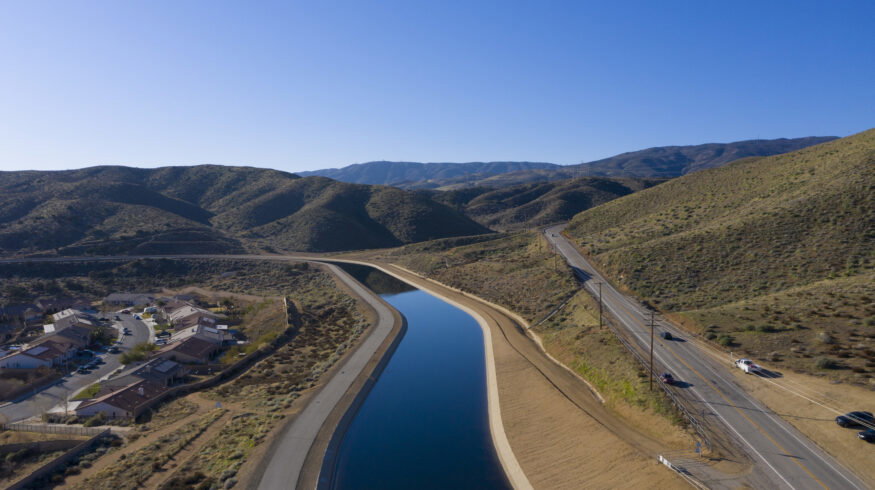

Environmental and public health organizations have launched a legal challenge to compel the U.S. Environmental Protection Agency (EPA) to establish water-quality standards for atrazine, one of the most widely used agricultural herbicides in the United States. The Center for Biological Diversity, Center for Environmental Health, and Pesticide Action & Agroecology Network filed a formal notice with EPA Administrator Lee Zeldin on May 28, a required step before pursuing litigation under the Clean Water Act.
The groups argue that the EPA has failed to complete water-quality criteria for atrazine despite initiating the process in 1999. They contend that widespread contamination from the herbicide has affected thousands of waterways and drinking-water supplies across the country. Atrazine, primarily applied to corn production, has been linked in scientific studies to reproductive disorders, birth defects, and several forms of cancer. In 2025, the World Health Organization’s International Agency for Research on Cancer classified atrazine as “probably carcinogenic to humans.”
The legal action comes amid ongoing debate within the Trump administration over pesticide regulation. Earlier this month, the U.S. Fish and Wildlife Service concluded that atrazine does not pose an extinction risk to threatened or endangered species, a finding that differs from the EPA’s 2021 assessment that atrazine pollution was harming more than 1,000 protected plant and animal species. Conservation groups said the latest federal review understates the environmental impacts of the herbicide and ignores evidence of contamination across large portions of the country.
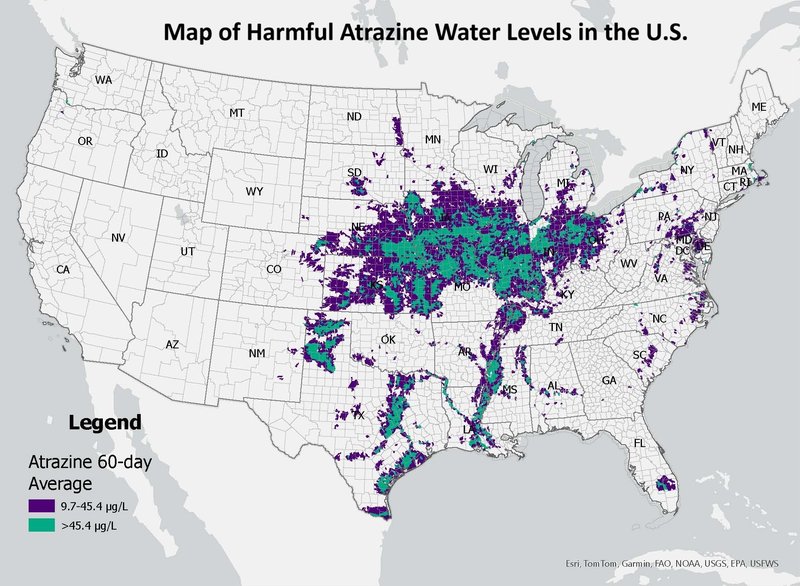
According to the organizations, EPA data indicate that atrazine concentrations exceed agency safety thresholds in more than 11,000 U.S. watersheds. The groups also criticized previous EPA mitigation proposals, arguing they would significantly reduce contamination in only a small fraction of affected watersheds. Atrazine remains the second most widely used pesticide in the United States, although it has been banned in more than 60 countries.
The challenge follows separate efforts by advocacy groups to secure a nationwide ban on atrazine. The issue has gained renewed attention after pesticide-related health concerns were highlighted in the Trump administration’s Make American Healthy Again initiative. Atrazine is primarily used on corn destined for livestock feed and ethanol production, two of the largest end markets for U.S. corn. Environmental groups say stronger federal standards are needed to reduce contamination of waterways and drinking-water supplies, while agricultural stakeholders have generally argued that atrazine remains an important tool for crop production.
Source: Center for Biological Diversity

Enjoyed this story?
Every Monday, our subscribers get their hands on a digest of the most trending agriculture news. You can join them too!






Discussion0 comments