

EPA approves continued use of atrazine herbicide despite widespread environmental concerns

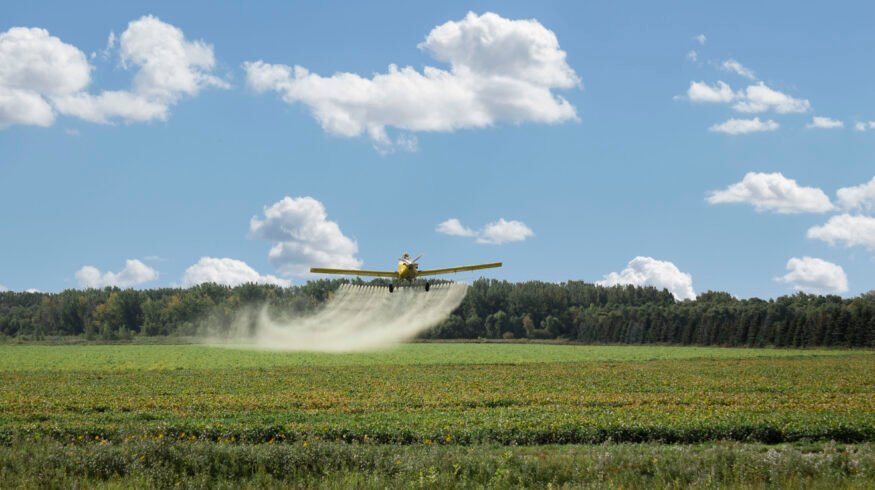

The Trump administration concluded that atrazine, a widely used herbicide in U.S. agriculture, does not pose an extinction risk to threatened or endangered species. This determination supports continued use of the chemical in major crop-producing regions.
The U.S. Fish and Wildlife Service review reverses a 2021 Environmental Protection Agency assessment that found atrazine likely to harm over 1,000 protected species. Agricultural organizations, including the American Farm Bureau Federation and the National Corn Growers Association, welcomed the new finding, arguing that restrictions could reduce yields and increase food costs.
Syngenta, owned by Chinese state-backed conglomerate Sinochem, is the primary manufacturer of atrazine. Federal data show that U.S. farmers apply approximately 72 million pounds of atrazine each year across 75 million acres, mainly on corn, sorghum, and sugar cane.
Environmental groups criticized the decision, arguing that proposed mitigation measures such as buffer zones, runoff controls, and reduced application rates would not adequately protect aquatic ecosystems and endangered species. The Center for Biological Diversity, whose lawsuit prompted the federal reassessment, stated that atrazine remains one of the most widespread pesticide contaminants in U.S. waterways.
Atrazine has long been controversial due to research linking it to hormonal disruption in amphibians, groundwater contamination, and potential human health risks such as birth defects, fertility problems, and cancer. In 2025, the International Agency for Research on Cancer, part of the World Health Organization, classified atrazine as “probably carcinogenic to humans.”
The debate has revealed divisions within President Donald Trump’s political coalition. Supporters of the “Make America Healthy Again” movement and Health Secretary Robert F. Kennedy Jr. have called for tighter restrictions or a ban on certain pesticides, including atrazine. Environmental advocates said the ruling indicates the administration is prioritizing agricultural and chemical industry interests over public health concerns.
Atrazine has been banned or restricted in the European Union and many other countries due to concerns about groundwater contamination. U.S. regulators continue to maintain that the herbicide can be used safely with mitigation measures to limit environmental exposure.
Sources: The New York Times
What the federal atrazine review means for U.S. agriculture
The administration concluded that atrazine does not pose an extinction risk to threatened or endangered species, allowing continued widespread use of the herbicide in U.S. agriculture.
Atrazine is heavily used on crops such as corn, sorghum, and sugar cane because it helps control weeds, improve yields, reduce labor costs, and minimize soil erosion caused by tilling.
Critics say atrazine contaminates waterways and may harm aquatic plants and amphibians. Studies have also linked exposure to potential human health risks, including cancer, birth defects, and fertility problems.
A 2021 review by the Environmental Protection Agency found that atrazine was likely to harm more than 1,000 protected species, while the latest review by the U.S. Fish and Wildlife Service concluded that mitigation measures could adequately reduce risks.
Atrazine is primarily produced by Syngenta, owned by Sinochem. The herbicide has been banned or restricted in the European Union and several other countries due to environmental concerns.

Enjoyed this story?
Every Monday, our subscribers get their hands on a digest of the most trending agriculture news. You can join them too!






Discussion0 comments