Skip to content
  • Professionals
  • Gardeners
 
Search
Log in
EN
RU
  • Trade & Policy
  • Markets
  • AgTech & Research
  • Corporate
  • Sustainability
  • Interviews
  • Rankings
  • Events
  • Stock Quotes
  • Business Directory
Trending topic:

Strait of Hormuz

Featured company:
 
RU
  • Professionals
  • Gardeners
Sections
    Events
    Stock Quotes
    Business Directory
    Trending topic:

    Strait of Hormuz

    Featured company:
    Follow us...
    Helpful information
    • About
    • Team
    • Advertise
    • Contacts
    • Submit a Tip
    • Privacy Policy
    • Terms of Service
    • Site Map
    Sections
      Seasonal tips
      • Spring
      • Summer
      • Autumn
      • Winter
      Trending topics
      • compost
        25
      • garlic
        2
      • lemon
        1
      • potato
        15
      Follow us...
      Helpful information
      • About
      • Team
      • Advertise
      • Contacts
      • Submit a Tip
      • Privacy Policy
      • Terms of Service
      • Site Map
      Copyright © 2014-2026 DigitalTree LLC. All rights reserved.
      We deliver content lightning-fast thanks to the managed cloud WordPress hosting with CDN.
      16+

      Home / Markets / Crop Protection

      UK sugar beet growers win emergency pesticide approval as virus yellows threat intensifies

      Kim Clarksen avatar Kim Clarksen
      June 6, 2026, 12:00 pm
      June 6, 2026, 12:00 pm
      [esi post-views ttl=0]
      Crop Protection
      Markets
      UK sugar beet growers win emergency pesticide approval as virus yellows threat intensifies
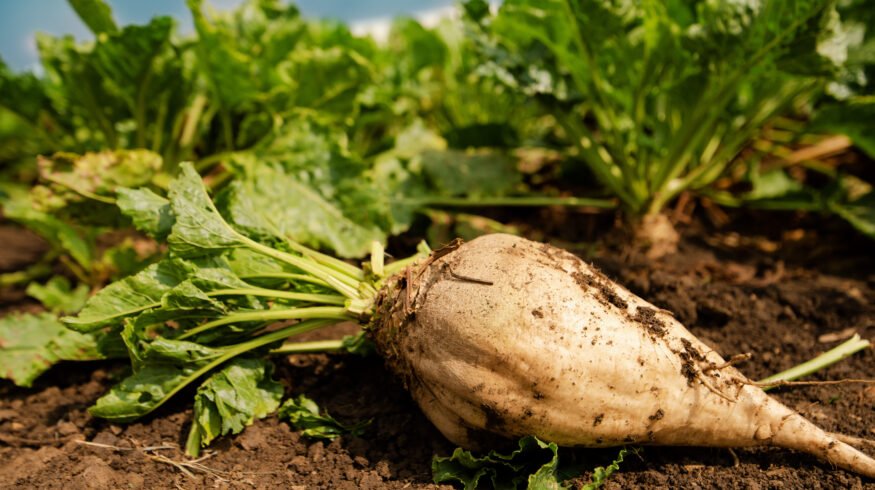
      Image Credits: iStock Photo
      Save for later
      Share

      Sugar beet growers in eastern England have secured emergency authorization to use an additional pesticide treatment to protect the 2026 crop from virus yellows, a disease that industry groups say poses a significant threat to domestic sugar production.

      The emergency approval, obtained by the National Farmers’ Union (NFU) Sugar board and British Sugar with support from the British Beet Research Organisation (BBRO), allows a second application of the insecticide Insyst SG to control the peach-potato aphid, the primary vector of virus yellows. The disease is considered the most serious production threat facing the U.K.’s sugar beet sector, which is concentrated in Norfolk and Suffolk.

      Industry representatives warned that aphid pressure this season is expected to reach its highest level since 2020, the first years following the European Union’s ban on neonicotinoid seed treatments previously used to protect sugar beet crops. According to NFU Sugar Chairman Kit Papworth, virus yellows infected 38% of the national sugar beet crop in 2020, resulting in a 25% reduction in yields, with some farms reporting losses of up to 80%.

      Under the terms of the authorization, growers may only apply Insyst SG after completing a three-spray program using fully approved active ingredients. The emergency use period runs from May 28 through August 1 and can only be triggered once specified aphid thresholds are reached. Farmers must also maintain detailed records covering aphid populations, virus incidence, treated acreage, application timing, and crop growth stages.

      ADVERTISEMENT

      Despite welcoming the temporary measure, industry leaders emphasized that efforts to develop long-term solutions remain ongoing. The BBRO, working alongside growers and industry stakeholders, continues research into sustainable approaches for managing virus yellows and reducing reliance on emergency pesticide authorizations in future seasons.

      Source: Eastern Daily Press


      5 things to know about virus yellows: why UK sugar beet growers won emergency pesticide approval

      Virus yellows is a group of viral diseases that infect sugar beet plants, causing yellowing and discoloration of leaves, reduced photosynthesis, stunted growth, and lower sugar production. The disease can significantly reduce crop yields and is considered the biggest biological threat to the U.K.’s sugar beet industry.

      The disease is primarily spread by aphids, especially the peach-potato aphid (Myzus persicae). These insects acquire the virus when feeding on infected plants and then transmit it to healthy sugar beet crops as they move through fields.

      Industry forecasts indicate that aphid pressure in 2026 could be the highest since 2020. That year, virus yellows infected an estimated 38% of the national sugar beet crop and cut average yields by about 25%, with some farms suffering losses of up to 80%.

      Sugar beet growers sought approval for an additional application of the insecticide Insyst SG to strengthen aphid control measures. Industry groups argued that existing treatments may not provide sufficient protection given the unusually high aphid populations expected this season.

      Neonicotinoid seed treatments were widely used to protect sugar beet crops from aphids, but the European Union banned outdoor use of most neonicotinoids over concerns about their impact on pollinators. Since then, growers have faced greater challenges in controlling virus yellows and have increasingly relied on foliar insecticide programs and other management strategies.

      Researchers and industry groups are working on several solutions, including breeding virus-tolerant sugar beet varieties, improving aphid forecasting systems, developing biological control methods, and adopting integrated pest management practices. The goal is to reduce dependence on emergency authorizations while maintaining crop productivity.

      approval
      neonicotinoid
      pesticide
      sugar beet
      UK
      virus yellows

      Enjoyed this story?

      Every Monday, our subscribers get their hands on a digest of the most trending agriculture news. You can join them too!


      Sign me up
      Check the example

      Discussion0 comments

      Спасибо за комментарий, он будет опубликован на сайте после проверки модератором. Хотите, чтобы ваши комментарии появлялись на сайте мгновенно? Достаточно пройти регистрацию.
      Congratulations, you can be the first to start the conversation.
      Do you have a question or suggestion? Please leave your comment to ignite conversation.
      What’s on your mind?
      Cancel Log in and comment
      Or continue without registration
      Get notified about new comments by email.
      Advertisement
      In focus
      How to get here?
      Stock quotes
      Bayer
      10.28
      3.42
      Bayer Crop Science
      36.16
      1.69
      CF Industries
      113.49
      3.43
      Corteva Agriscience
      77.03
      0.56
      ICL Group
      5.6
      4.92
      Intrepid Potash
      34.96
      5.97
      Mosaic
      22.24
      2.88
      Nutrien
      67.2
      2.61
      Yara International
      26.93
      3.02
      See all
      Most read
      IPL finalizes 1.346mt DAP purchase from 14 global suppliers at $930–935/t CFR
      IPL finalizes 1.346mt DAP purchase from 14 global suppliers at $930–935/t CFR
      Holganix bets on soil biology and carbon markets to reshape regenerative agriculture
      Holganix bets on soil biology and carbon markets to reshape regenerative agriculture
      OCP warns Hormuz disruption has evolved into global fertilizer supply shock
      OCP warns Hormuz disruption has evolved into global fertilizer supply shock
      Sulphuric acid tops $500 per tonne as Hormuz closure tightens phosphate fertilizer production inputs globally
      Sulphuric acid tops $500 per tonne as Hormuz closure tightens phosphate fertilizer production inputs globally
      EPA approves continued use of atrazine herbicide despite widespread environmental concerns
      EPA approves continued use of atrazine herbicide despite widespread environmental concerns
      Events
      Fertilizer Summit
      Chicago (IL), USA
      Jun 1 — 2, 2026
      Argus Clean Ammonia Asia
      Tokyo, Japan
      Jun 2 — 4, 2026
      Wood Mackenzie Hydrogen Hydrogen Conference
      London, UK
      Jun 4, 2026
      Agriculture & Organic Farming Summit
      Paris, France
      Jun 17 — 18, 2026
      International Crop-Science Conference & Expo
      New Delhi, India
      Jun 25 — 26, 2026
      See all
      Live
      Stefan Petko
      May 6, 06:48 pm
      It is alarming to see these developments in California. As a vineyard grower, I have faced significant challenges this year, with fertilizer costs rising sharply while market conditions have made it difficult to sell the harvest.
      California peach growers forced to remove 420,000 trees after bankruptcy of Del Monte Foods canneries
      Estebel
      April 23, 10:26 pm
      Sounds like magic ))
      MIT study: rice seeds germinate faster when exposed to rainfall sounds
      Isabelita Barreiro
      December 11, 2025, 01:54 am
      Excellent management of water resources and effective use of water-soluble fertilizers!
      Argentine nano-fertilizer firm AKO Agro expands to Brazil
      Meripa Corson
      August 4, 2025, 01:18 pm
      Where does the money actually go? As a timber land owner, how do I benefit from the legislation?
      USDA commits $80 million to expand timber markets and improve forest resilience
      Patonkas Luksompulus
      January 21, 2025, 12:36 pm
      Greece meeds biological fertilizers! Great news about De sangosse.
      DE SANGOSSE expands operations with Greek subsidiary
      About
      Sections
      Trade & Policy  ·  Markets  ·  AgTech & Research  ·  Corporate  ·  Sustainability  ·  Interviews  ·  Rankings
      Support
      About  ·  Team  ·  Advertise  ·  Contacts  ·  Submit a Tip  ·  Privacy Policy  ·  Terms of Service  ·  Site Map
      Copyright © 2014-2026 DigitalTree LLC. All rights reserved.
      We deliver content lightning-fast thanks to the managed cloud WordPress hosting with CDN.
      16+
      More to read
      Shchelkovo Agrokhim partners with the Future of Egypt Agency to expand its presence in Africa
      Shchelkovo Agrokhim partners with the Future of Egypt Agency to expand its presence in Africa
      Dutch greenhouse pilot tests viability of fully biological pest control
      Dutch greenhouse pilot tests viability of fully biological pest control
      Sugar beet crops to be reduced in Russia
      Sugar beet crops to be reduced in Russia
      Advertising that helps us do quality reporting