

Paraquat lawsuits head toward pivotal U.S. trials as farmers allege links to Parkinson’s disease

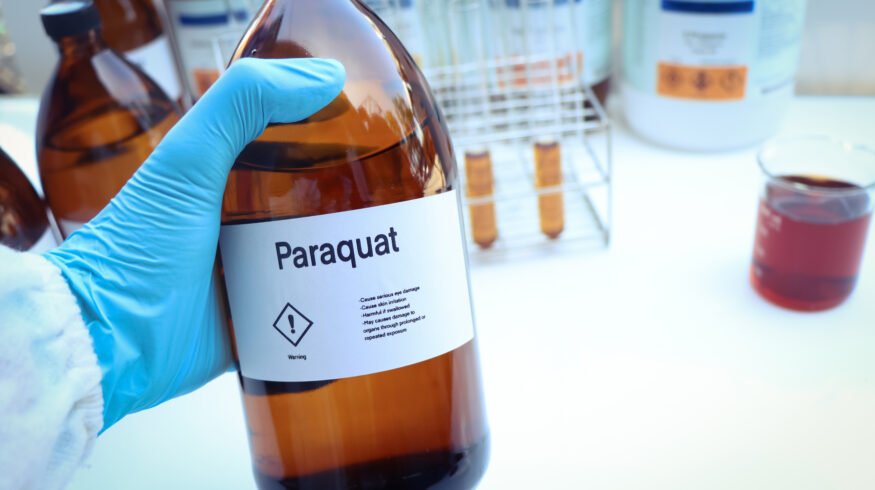

The U.S. litigation over the herbicide paraquat is entering a critical phase, with nearly 6,700 lawsuits consolidated in federal multidistrict litigation (MDL No. 3004) in the Southern District of Illinois and the first California state court trial scheduled for March 1, 2027. The lawsuits have become one of the largest product liability cases involving agricultural chemicals in recent years, raising questions about pesticide safety, worker protection, and manufacturers’ responsibility to warn users about potential health risks.
Most plaintiffs are farmers, licensed pesticide applicators, agricultural workers, landscapers, and rural residents who allege that years of exposure to paraquat caused them to develop Parkinson’s disease. The lawsuits primarily target Syngenta and Chevron, companies that manufactured or distributed paraquat-based herbicides marketed under brands including Gramoxone, Firestorm, Helmquat, and Parazone.
The defendants deny that paraquat causes Parkinson’s disease and have maintained that decades of scientific reviews by regulators worldwide support the product’s continued registration when used according to label directions. The litigation remains ongoing, and no court has determined that paraquat causes Parkinson’s disease.
California trial expected to become a landmark case
One of the most closely watched proceedings is Anderson v. Syngenta AG et al., scheduled to begin on March 1, 2027, in California’s Contra Costa County Superior Court.
According to the complaint, California walnut farmer Keith Anderson handled paraquat products between approximately 1994 and 2022 while mixing, loading, and spraying herbicides on his farm before being diagnosed with Parkinson’s disease in 2021. The lawsuit alleges that repeated occupational exposure through inhalation, skin contact, and incidental ingestion caused his illness.
Attorneys representing the Anderson family argue that the case could establish an important precedent for thousands of similar lawsuits pending across the United States.
“This trial will be a critical opportunity to give agricultural workers and their families their day in court,” Brent Wisner, managing partner at Wisner Baum, said in announcing the trial date.
Why paraquat remains controversial
Paraquat is one of the world’s most widely used non-selective herbicides and has been applied for decades to control weeds in crops including soybeans, cotton, corn, orchards, vineyards, and other specialty crops. Because it acts rapidly and is effective against herbicide-resistant weeds, many growers consider it an important management tool.
However, paraquat is also among the most acutely toxic herbicides if swallowed, leading the U.S. Environmental Protection Agency (EPA) to classify it as a Restricted Use Pesticide. Only certified applicators who complete mandatory training may purchase or apply paraquat in the United States.
Beyond concerns over acute poisoning, scientific debate has increasingly focused on whether chronic exposure may contribute to neurodegenerative diseases. Several epidemiological studies, including research from the federally funded Agricultural Health Study, have reported an association between occupational paraquat exposure and increased Parkinson’s disease risk. Laboratory research has also shown that paraquat can damage dopamine-producing neurons through oxidative stress mechanisms.
At the same time, regulatory agencies have reached differing conclusions regarding whether the available evidence establishes a causal relationship. The EPA has previously concluded that existing evidence does not demonstrate a clear causal link between paraquat exposure and Parkinson’s disease, although the agency continues to review emerging scientific data as part of its pesticide registration process.
Growing regulatory and political scrutiny
The litigation comes as political and regulatory attention toward paraquat continues to increase.
Earlier this year, EPA Administrator Lee Zeldin announced that the agency would reassess paraquat’s safety, while lawmakers in multiple states have introduced legislation seeking to ban or further restrict the herbicide.
Paraquat has already been banned or severely restricted in more than 70 countries. Nevertheless, it remains registered for agricultural use in the United States, subject to strict handling requirements.
The outcome of the ongoing litigation could influence future regulatory decisions, pesticide labeling requirements, and manufacturer disclosure obligations, regardless of whether the cases ultimately proceed to jury verdicts or are resolved through settlements.
What plaintiffs allege
Plaintiffs contend that manufacturers knew or should have known for decades that paraquat posed neurological risks and failed to adequately warn users. Attorneys involved in the litigation argue that internal company documents obtained during discovery may shed light on what manufacturers understood about the herbicide’s potential health effects.
Manufacturers have rejected those allegations, stating that paraquat has undergone extensive scientific review by regulatory authorities worldwide and remains approved for use when applied in accordance with the approved label instructions.
No jury has yet ruled on the merits of these allegations.
Potential implications for agriculture
The paraquat litigation extends well beyond the courtroom.
If plaintiffs ultimately prevail in significant numbers, the cases could reshape how agricultural chemicals are tested, monitored, and labeled in the United States. The litigation may also influence future worker safety standards, personal protective equipment requirements, and the evaluation of long-term neurological risks associated with pesticide exposure.
For growers, the lawsuits also highlight the continuing challenge of balancing effective weed management with evolving scientific research, regulatory oversight, and occupational health protections.
Understanding the U.S. paraquat lawsuits
Paraquat is a fast-acting, non-selective herbicide widely used to control weeds in many crops. In the United States, it is classified as a Restricted Use Pesticide, so only certified applicators who complete EPA-approved training may purchase and use it.
Thousands of plaintiffs allege that long-term occupational exposure to paraquat caused them to develop Parkinson’s disease. They claim manufacturers failed to adequately warn users about potential neurological risks, despite allegedly having information about those risks.
No definitive legal or scientific consensus exists. Numerous epidemiological and laboratory studies have reported an association between paraquat exposure and Parkinson’s disease, but manufacturers dispute that the evidence proves causation. The EPA has not concluded that paraquat causes Parkinson’s disease and continues to review new scientific evidence.
The Anderson v. Syngenta AG et al. case will be the first California jury trial involving allegations that paraquat caused Parkinson’s disease. Legal experts expect the outcome to influence settlement negotiations and future litigation involving thousands of similar claims across the country.
Regardless of the outcome, the litigation is likely to affect future pesticide regulation, product labeling, worker safety practices, and manufacturer liability. These cases may also influence how regulators evaluate chronic health risks from agricultural chemicals and could shape future investment in alternative weed-control technologies.

Enjoyed this story?
Every Monday, our subscribers get their hands on a digest of the most trending agriculture news. You can join them too!






Discussion0 comments