

AI could boost farm productivity, but smallholders risk being left behind

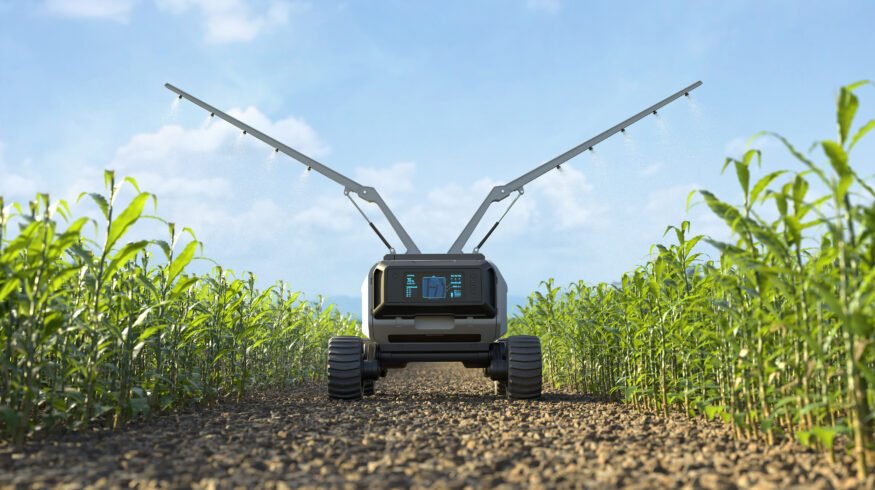

Artificial intelligence is emerging as a powerful tool for agriculture, offering new ways to improve productivity, optimize fertilizer and water use, and strengthen resilience to climate change. However, a new study finds that many smallholder farmers in developing countries remain unable to benefit from these advances due to limited access to electricity, internet connectivity, financing, and digital skills.
The research compared AI adoption across developed and developing agricultural systems and found a widening technological gap. Farmers in countries such as the United States, China, Japan, and across Europe are increasingly using precision agriculture technologies for crop monitoring, pest detection, yield forecasting, and irrigation management. These technologies are supported by reliable digital infrastructure, strong institutional frameworks, and access to data-driven farming tools.
In contrast, smallholder farmers, who account for roughly 80% of farmers in developing nations, continue to face significant barriers to adoption. The study identified unreliable electricity supplies, poor broadband access, high technology costs, limited digital literacy, and restricted access to credit as major obstacles. Researchers also warned that AI systems trained on data from large-scale farms in developed countries may generate inaccurate recommendations when applied to diverse smallholder farming systems in Africa, Asia, and Latin America.
The study further highlighted concerns over data ownership, privacy, and governance. In many developing regions, farmers have little control over how agricultural data is collected, used, or monetized. Without stronger safeguards and targeted policies, the researchers argue that AI could reinforce existing inequalities within global food systems rather than reduce them.
The authors concluded that investments in reliable electricity, internet access, affordable digital technologies, farmer training, and locally relevant data systems are essential for ensuring AI benefits are broadly shared. They recommend a gradual approach to adoption, beginning with simple mobile advisory services before scaling up to more advanced AI-powered agricultural tools.
Source: The Conversation

Enjoyed this story?
Every Monday, our subscribers get their hands on a digest of the most trending agriculture news. You can join them too!








Discussion0 comments