

Mozambique, Zambia and Uganda widen fertilizer-access programs as Gulf tensions lift prices

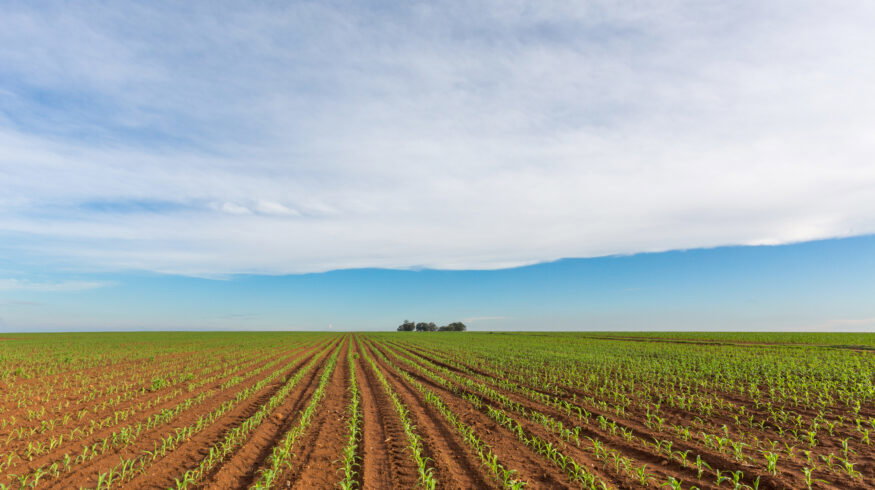

Governments across sub-Saharan Africa are expanding emergency fertilizer programs and regional procurement reforms to shield farmers from elevated prices, as Middle East tensions keep global benchmarks well above pre-conflict levels, according to an IFDC market bulletin published June 2.
Mozambique has launched a World Bank-backed emergency program distributing about 8,000 tonnes of free NPK and urea to more than 160,000 farmers across six provinces between April and June. In Zambia, a new United Capital Fertilizer urea plant is improving local supply, with a planned distribution hub in Eastern Province to serve domestic demand and exports to Mozambique and Malawi.
At a March 23 meeting, ECOWAS agriculture ministers directed the creation of a regional joint fertilizer purchasing system to replace fragmented national procurement. The bloc has since consolidated member-state demand data and begun engaging suppliers including Dangote and Indorama, with financing structured through regional development banks.
Price pressure remains acute. In Nigeria, urea rose about 43% between February and May, from ₦35,000 to ₦50,000 per 50-kg bag (roughly $22 to $32 at current exchange rates), driven by currency weakness, higher gas costs and import expenses, the bulletin said. Middle East urea (FOB) has eased to about $630 per tonne but stays roughly 28% above pre-war levels.
Subsidy programs in Rwanda, Benin, Burkina Faso and Togo continue to cushion farmers, while Uganda maintains imports of about 50,000 tonnes through a new partnership with the Green Hydrogen Fertilizer Company.
Source: IFDC

Enjoyed this story?
Every Monday, our subscribers get their hands on a digest of the most trending agriculture news. You can join them too!





Discussion0 comments