

Cropr launches autonomous laser weeder as AI-driven weed control gains momentum



Dutch agricultural technology company Cropr has launched its autonomous Weedr laser weeder, joining a growing group of AI-powered field robots aimed at reducing reliance on herbicides and manual labor. The new platform uses machine vision, artificial intelligence, and laser technology to identify and eliminate weeds individually without disturbing soil, allowing the machine to operate autonomously across fields without requiring a tractor.
The introduction of Weedr comes as European farmers face increasing pressure from tighter pesticide regulations, herbicide-resistant weeds, and persistent labor shortages. Rather than applying treatments across entire fields, the system targets weeds at the plant level, reflecting a broader shift toward precision agriculture where crop management decisions are made with centimeter-level accuracy. Industry developers argue that laser-based systems can significantly reduce chemical use while minimizing soil disruption.
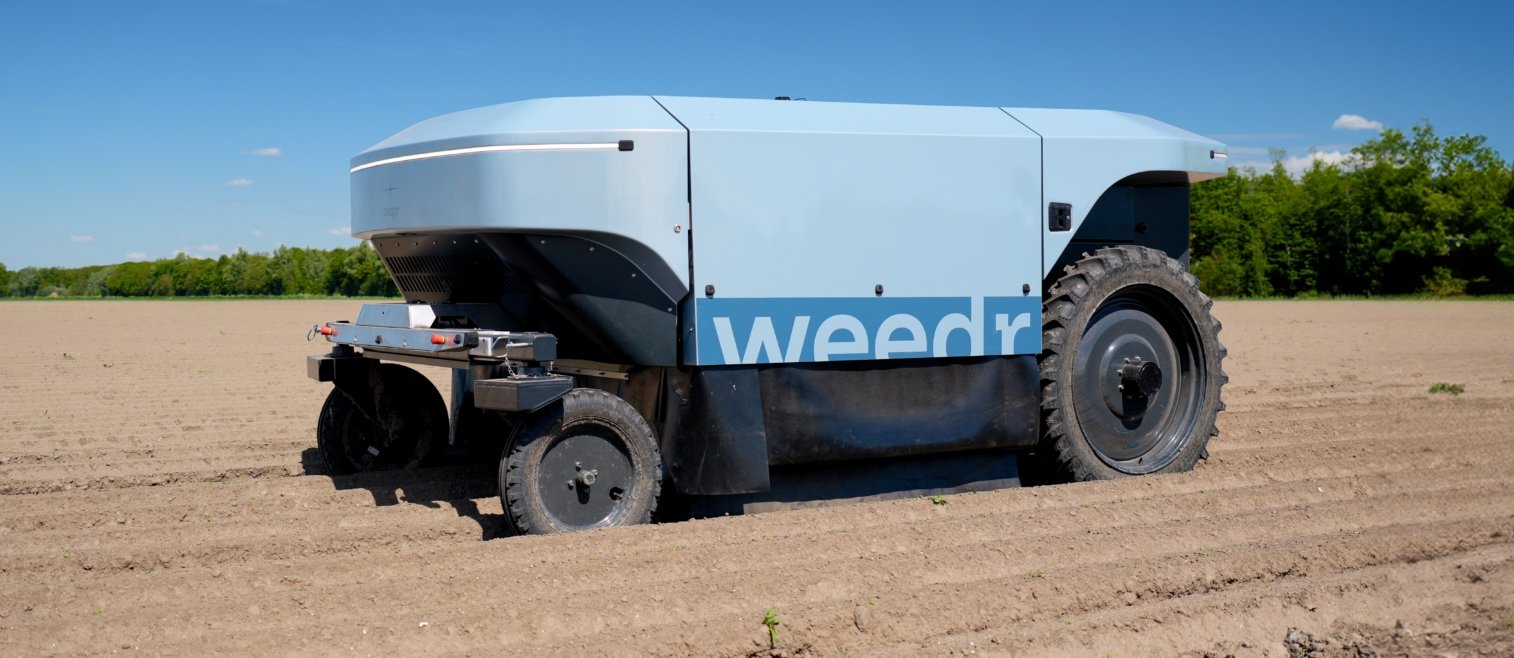
The launch also highlights the changing dynamics of the agricultural robotics sector. While laser weeding technology has already proven technically viable, manufacturers are increasingly focused on scaling production, expanding service networks, and improving operational reliability. Recent moves toward commercial-scale manufacturing by agricultural robotics companies suggest the industry is entering a new phase in which deployment capacity and customer support may become as important as advances in AI software.
Analysts see autonomous laser weeders as part of a wider transformation in crop protection. As regulatory scrutiny of agricultural chemicals intensifies and sustainability goals become more prominent, autonomous systems capable of making plant-by-plant decisions are expected to move beyond specialty crops into broader field applications. The trend points toward weed control becoming an increasingly software-driven process, where targeted energy applications replace some traditional chemical inputs.

Enjoyed this story?
Every Monday, our subscribers get their hands on a digest of the most trending agriculture news. You can join them too!





Discussion0 comments