

John Deere previews 2027 farming innovations: See & Scout AI cameras, expanded autonomous tech

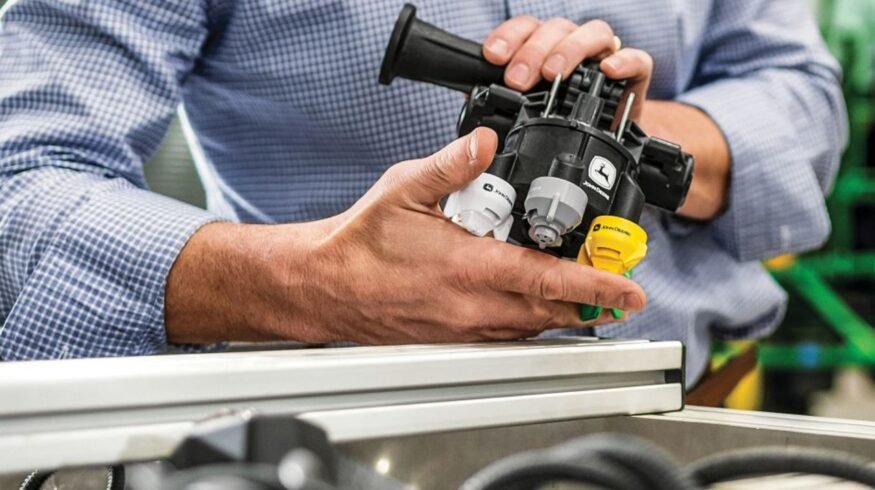

John Deere has unveiled a sweeping set of model year 2027 innovations spanning precision spraying, field intelligence, planting automation, and autonomous tillage — a portfolio that reinforces the company’s ambition to be the technology leader in large-scale row-crop production as labour constraints and input cost pressures intensify across global agriculture.
See & Spray Gen 2: One Platform, Greater Precision
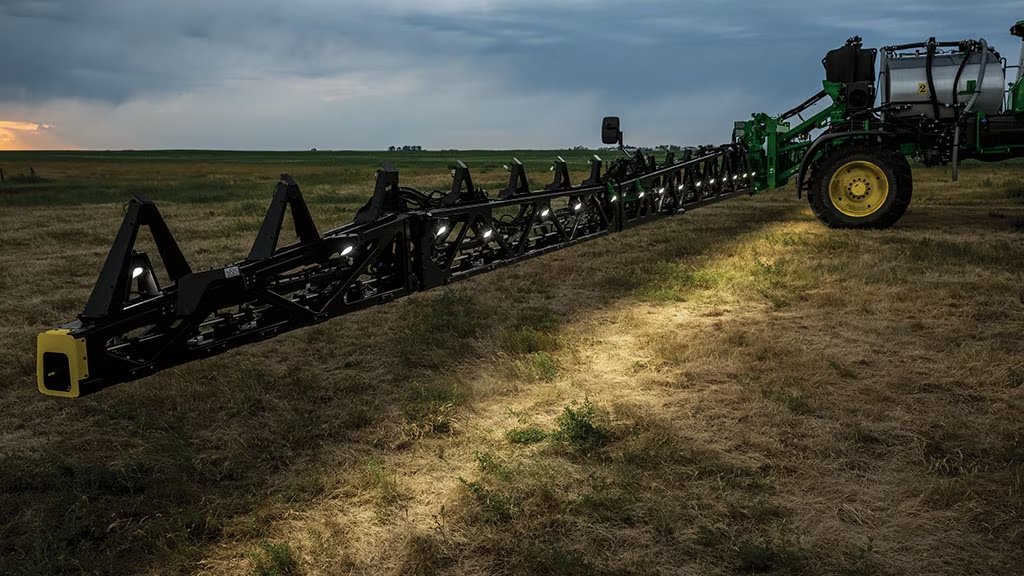
The centrepiece of John Deere’s 2027 announcement is a comprehensive overhaul of the See & Spray platform. The previous multi-tier structure — comprising Select, Premium, and Ultimate variants — is being consolidated into a single See & Spray Gen 2 offering available for John Deere 400 and 600 series sprayers, as well as Hagie-branded machines.
The new unified platform brings all previously tier-restricted capabilities — including Variable Rate application, which adjusts herbicide output based on real-time camera detection of green biomass — into the standard Gen 2 package. Customers who previously operated Gen 1 systems under the Select tier will gain access to Variable Rate for the first time with the 2027 upgrade.
Camera hardware has been significantly upgraded. The 2027 See & Spray cameras identify crops and weeds with four times the accuracy of previous versions, while also operating at higher sprayer speeds — improving throughput without sacrificing the precision that makes targeted herbicide application economically worthwhile.
Crop support has also expanded substantially. Gen 2 adds barley (broadleaf applications) and canola to the previously supported list, which already included wheat, sugar beets, peanuts, milo, corn, cotton, and soybeans. The broadening of crop support is significant for growers outside the traditional U.S. Corn Belt who have been waiting for the technology to accommodate their rotations.
The business case for Gen 2 is backed by real-world data: John Deere reports that See & Spray was used on more than five million acres during the 2025 season, saving growers and custom applicators 31 million gallons of herbicide mix. Yield trials published in a company white paper show an average gain of two additional bushels of soybean per acre attributable to See & Spray use — a combination of savings and yield uplift that Josh Ladd, John Deere’s marketing manager for application equipment, described as giving farmers meaningful flexibility and additional revenue at harvest.
See & Scout: Field Intelligence on Every Pass
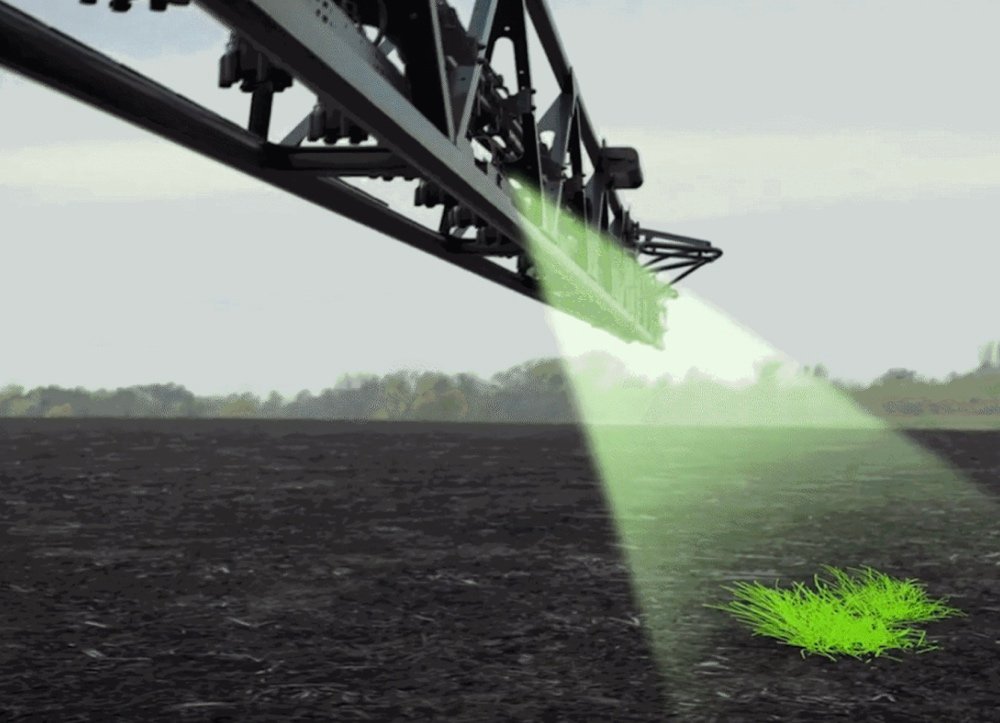
Launching alongside See & Spray Gen 2 is See & Scout, a new data layer that automatically generates agronomic field intelligence on every sprayer pass — at no additional cost for qualifying See & Spray Premium, Ultimate, and Gen 2 systems.
See & Scout uses the 36 cameras already mounted on the sprayer’s boom, centre frame, and chassis to produce two primary data outputs: weed pressure maps generated on every pass across the full field area, and stand count maps beginning with corn in 2027. Both are delivered automatically to the grower’s John Deere Operations Center account, requiring no additional operator input.
Ladd described the weed pressure data as a particularly powerful agronomic tool, providing growers with objective evidence for decisions around tillage strategy, cover crop selection, seed variety choices, and whether additional sprayer passes are warranted in specific zones. Starting in 2027, fallow use of See & Spray is also being offered at no per-acre charge, removing a previous cost barrier for pre-season field management passes.
2027 Planters: Automation from the Cab
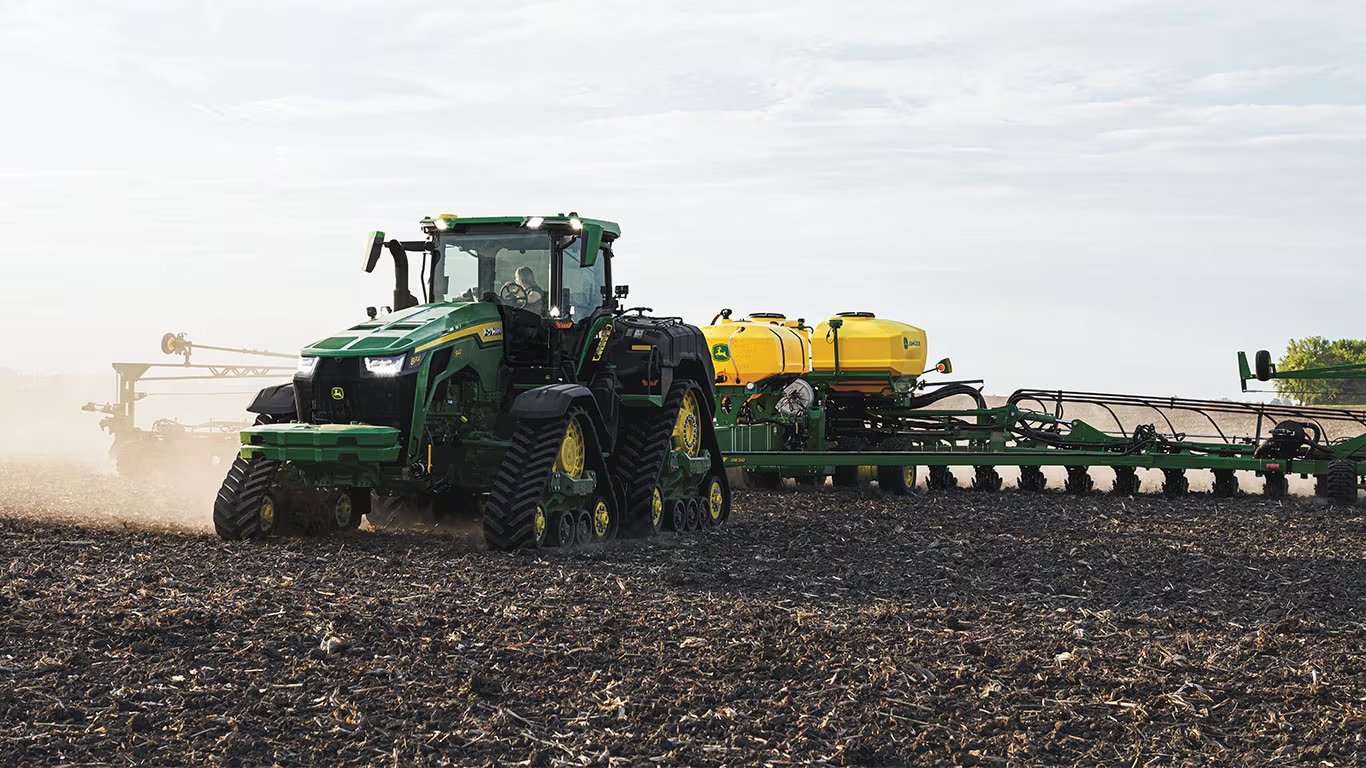
John Deere’s 2027 planter updates centre on operational simplification and automated precision. The startup sequence has been consolidated into a single interface, reducing the number of individual steps operators must complete before commencing planting.
The headline precision feature is ExactDepth, an automated planting depth control system that uses real-time data from FurrowVision — a system of three cameras mounted on the planter that provide live sectional views of the furrow, including depth and ground contact readings — to automatically adjust downforce and seeding depth across varying soil conditions without cab intervention. Approximately 90% of current Deere customers set a single downforce value for their entire farm for the entire season; ExactDepth automates the field-by-field optimisation that manual adjustment makes impractical.
FurrowVision now also includes debris monitoring, tracking the percentage of debris in the seed furrow to allow operators to make real-time adjustments for cleaner furrow conditions and more uniform emergence.
On the nutrition side, 2027 planters integrate John Deere’s ExactShot in-furrow fertilizer application system with ExactRate high-rate application, eliminating reliance on third-party in-furrow systems and enabling a unified digital interface for both seeding and starter fertilizer management. Deere estimates the combined furrow optimisation package represents a potential revenue uplift of more than $50 per acre for growers who fully utilise the system.
Autonomous Tillage: The 2730 Goes Driverless
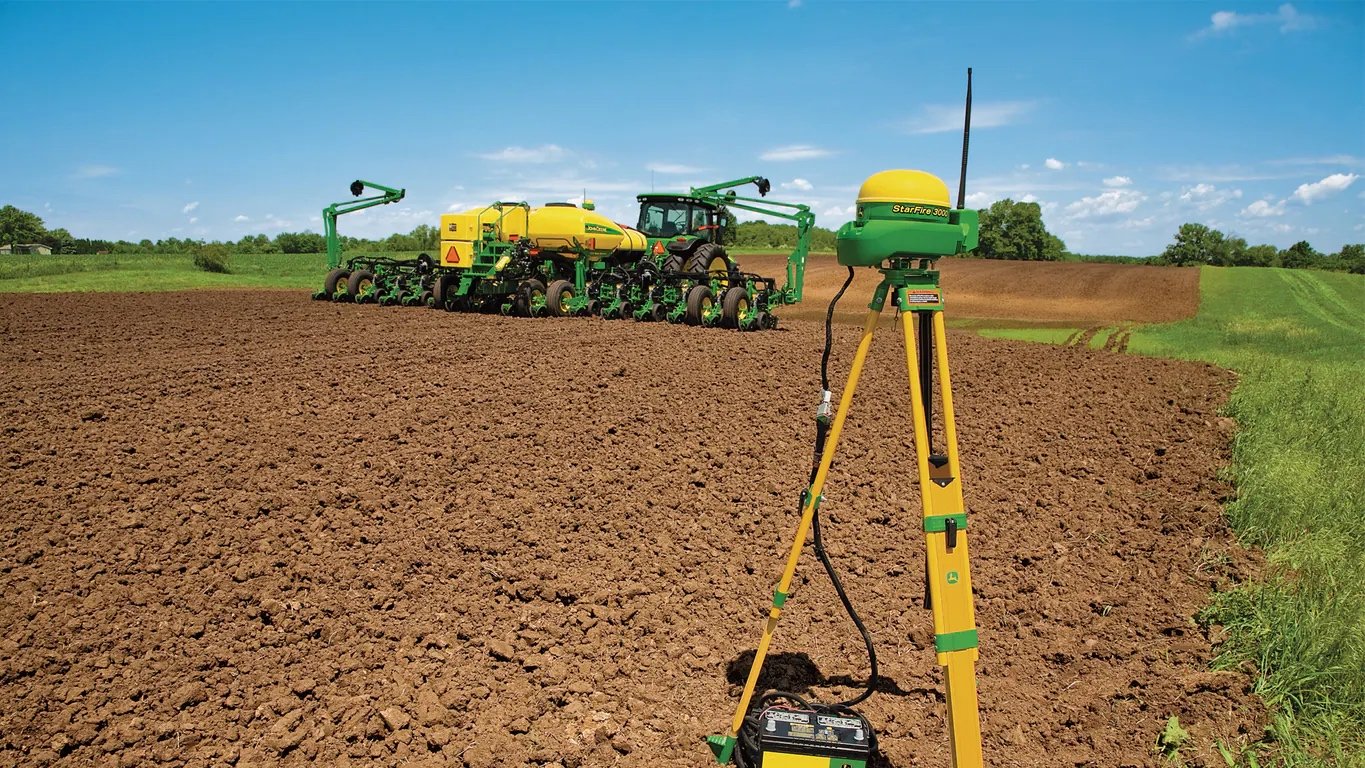
John Deere has confirmed factory-installed autonomous capabilities for the 2027 model of the 2730 Combination Ripper. The autonomous 2730 is equipped with 16 cameras providing 360-degree field perception, complemented by a StarFire GPS receiver for precise positioning. The system can detect obstacles and navigate autonomously across field areas without a human operator in the tractor cab.
Additional sprayer updates for 2027 include a four-wheel steering option on the 400 Series chassis, crab steering for tighter field access, and an improved SmartView 360-degree cab visibility camera system. Across the full 2027 portfolio, John Deere’s consistent message is one of doing more with less: more acres per day with less labor, more precision per acre with less input waste, and more agronomic data per pass at no additional cost. In an agricultural environment defined by persistent labor shortages, elevated input prices, and tightening farm margins, those value propositions are likely to find a receptive market.

Enjoyed this story?
Every Monday, our subscribers get their hands on a digest of the most trending agriculture news. You can join them too!





Discussion0 comments