

Minnesota wind-to-ammonia plant aims to supply local farmers with more affordable fertilizer

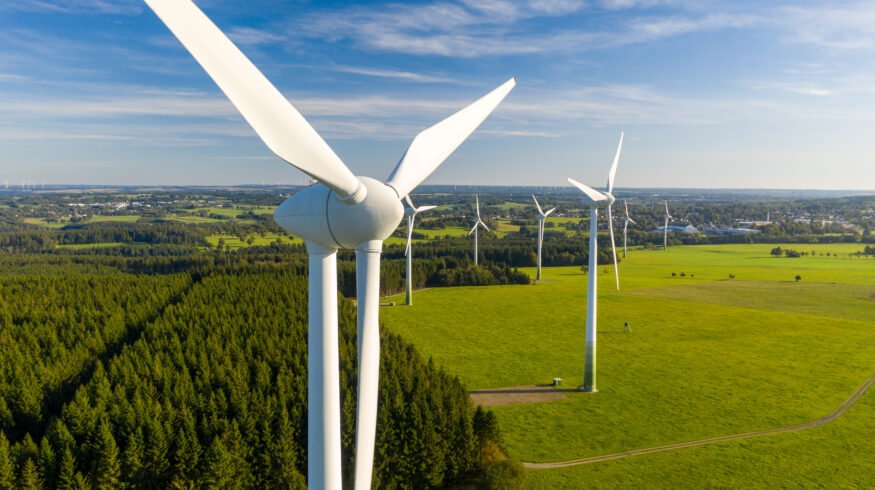

A wind-powered green ammonia plant at the University of Minnesota is expanding, in a bet that farmer-owned, locally made nitrogen can buffer growers from volatile global fertilizer prices, MinnPost reported.
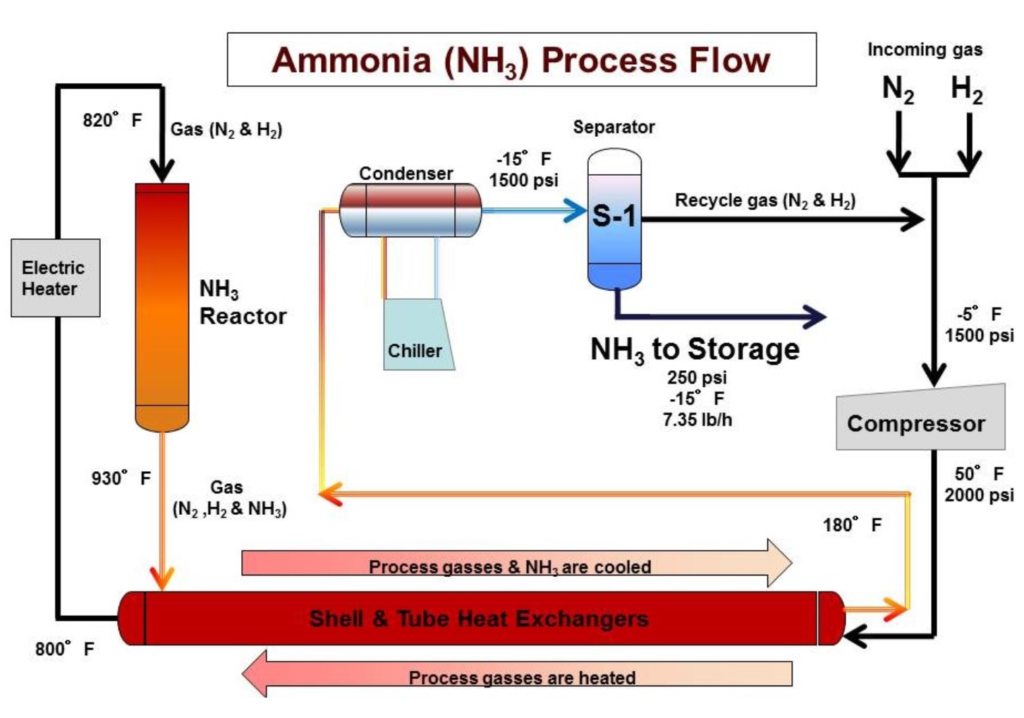
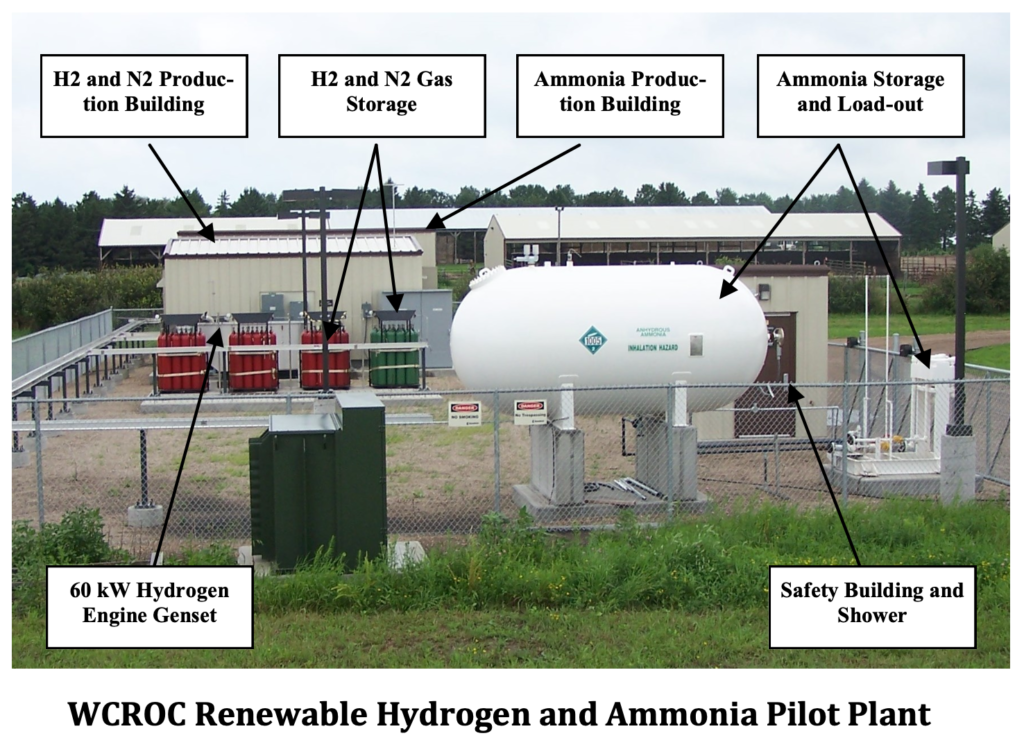
The demonstration facility at the West Central Research and Outreach Center in Morris produces about a ton of ammonia a day from wind electricity, water, and air. It uses electrolysis to split hydrogen from water, then combines it with nitrogen from the air through the Haber-Bosch process, removing fossil natural gas from the recipe.
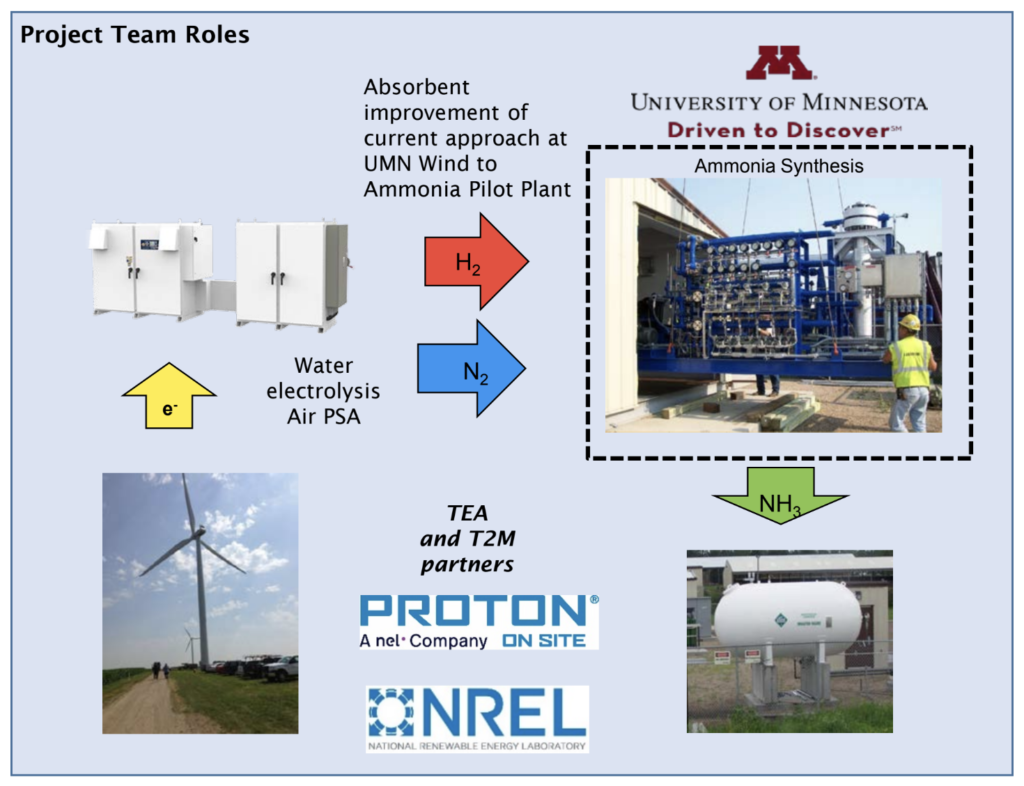
A third electrolyzer being added is expected to lift output toward 300 to 400 tonnes a year. Lead researcher Michael Reese said the site is a gateway to broader green hydrogen uses, from fertilizer to steelmaking.
Minnesota farmers buy roughly 800,000 tonnes of fertilizer a year, and locally produced ammonia could shorten supply chains and dampen price swings tied to gas markets and imports. The work dovetails with a wider state push. A Minnesota green ammonia coalition has lined up an offtake deal under which Central Farm Service would buy locally made ammonia over 10 years, with commercial volumes targeted later this decade.
Researchers caution that scaling green ammonia to commercial cost parity remains the central challenge.
Source: MinnPost
Five things to know about green ammonia in Minnesota
Green ammonia is made using renewable electricity rather than fossil natural gas. Electrolysis splits hydrogen from water, and that hydrogen is combined with nitrogen from the air through the Haber-Bosch process. The result is the same ammonia used as fertilizer, but with a much lower carbon footprint.
The demonstration plant currently makes about a tonne of ammonia a day. A third electrolyzer being installed is expected to raise annual output toward 300 to 400 tonnes, still a research-scale volume rather than commercial production.
Minnesota farmers buy roughly 800,000 tonnes of fertilizer a year, much of it tied to natural gas prices and imports. Locally produced ammonia could shorten supply chains and give growers a hedge against the price volatility that has hit nitrogen markets.
The plant is run by the University of Minnesota’s West Central Research and Outreach Center in Morris, led by researcher Michael Reese. A separate state coalition is advancing commercial green ammonia, including an offtake agreement under which Central Farm Service would buy locally made ammonia over 10 years.
Cost is the obstacle. Green ammonia remains more expensive to produce than conventional gas-based ammonia, and reaching commercial cost parity is the central challenge before the model can scale beyond demonstration and pilot volumes.

Enjoyed this story?
Every Monday, our subscribers get their hands on a digest of the most trending agriculture news. You can join them too!




Discussion0 comments