

San Diego’s desalination strategy gains attention as Western water shortages deepen


San Diego County’s long-term investment in seawater desalination is increasingly seen as a potential model for addressing chronic water shortages across the U.S. West, as cities and agricultural regions face mounting pressure from drought and declining river flows.
The Claude “Bud” Lewis Carlsbad Desalination Plant, which began operations in 2015, currently supplies roughly 50 million gallons of drinking water per day—about 10% of San Diego County’s demand. The additional supply has helped diversify the region’s water portfolio and reduce dependence on imported water from the Colorado River and Northern California.
The county’s improved water security has enabled the San Diego County Water Authority to enter into agreements to transfer portions of its Colorado River allocations to neighboring states, including Arizona and Nevada. The authority has also signed water supply agreements with agencies in Riverside County, highlighting the growing value of reliable water sources as shortages worsen across the Southwest.
Desalination remains controversial because of its high capital costs, energy requirements, and potential environmental impacts. The Carlsbad facility cost about USD 1 billion to construct and contributed to higher local water rates. Environmental groups have also raised concerns about marine ecosystems, particularly the discharge of concentrated brine back into the ocean. However, operators have implemented mitigation measures, including blending brine with seawater before discharge, and studies conducted between 2019 and 2023 reportedly found no significant effects on marine life.
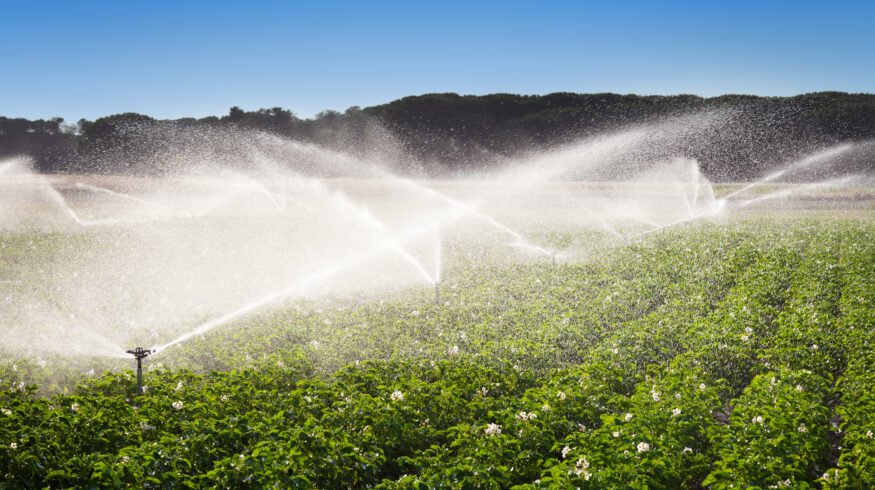
Supporters argue that desalination provides one of the few dependable alternatives as climate change intensifies drought conditions and places additional strain on the Colorado River system. The issue extends beyond urban water supplies: California produces roughly half of the nation’s vegetables and nearly three-quarters of its fruits and nuts, making water reliability critical for U.S. agriculture and food security.
Interest in desalination has drawn support across political lines, including from federal officials and California policymakers. While conservation, recycling, and efficiency improvements remain central to water management strategies, many experts increasingly view desalination as an important component of a broader approach to addressing the West’s long-term water challenges.
Source: The Washington Post

Enjoyed this story?
Every Monday, our subscribers get their hands on a digest of the most trending agriculture news. You can join them too!






Discussion0 comments