

De Sangosse highlights technologies to improve phosphate availability and herbicide performance

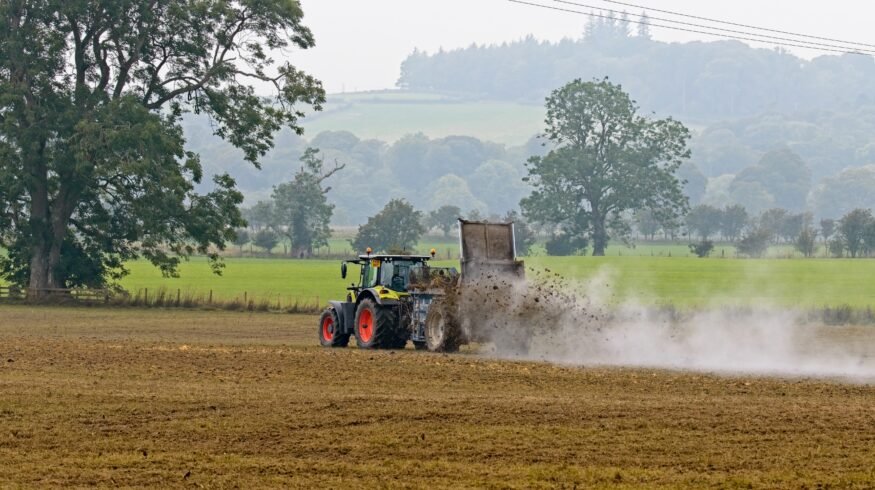

A large share of applied phosphate fertilizer becomes unavailable to crops shortly after application due to interactions with soil minerals, reducing nutrient use efficiency and potentially limiting yields, according to agronomy specialists at De Sangosse. Speaking at the recent Farmers Weekly Arable Insights Live event hosted by Dyson Farming, the company said as much as 80% of applied phosphate can become locked in soils within days, while less than 10% may be crop-available during the first year.
Phosphate fixation occurs when phosphorus binds to positively charged ions such as calcium in alkaline soils or iron and aluminum in acidic soils. According to De Sangosse technical manager Rob Suckling, technologies that target these cations can help maintain phosphate in a soluble, plant-available form. The company said field research has shown phosphate availability increasing by 15-25% over four to six weeks, with associated improvements in root growth, early vigor, and yields across crops including wheat, barley, oilseed rape, potatoes, maize, and sugar beet. Trials have also indicated enhanced uptake of micronutrients such as zinc, manganese, and copper.
The company also highlighted water quality as a critical factor affecting herbicide performance, particularly for glyphosate applications. More than 70% of UK farms use moderate to very hard water, according to the company, and dissolved calcium and magnesium in spray water can reduce herbicide effectiveness by binding with active ingredients. De Sangosse said water conditioners designed to neutralize these cations before herbicide mixing can improve weed control consistency. Citing guidance from the Weed Resistance Action Group, the company noted that hard water can reduce glyphosate efficacy by up to 30%, increasing the risk of under-dosing and potentially contributing to herbicide resistance, including confirmed cases of glyphosate-resistant Italian ryegrass in the UK.
Source: Farmers Weekly

Enjoyed this story?
Every Monday, our subscribers get their hands on a digest of the most trending agriculture news. You can join them too!






Discussion0 comments