

Recycled phosphorus fertilizers demonstrate greater soil mobility than traditional mined nutrients


Recycled phosphorus fertilizers derived from waste materials could help reduce agriculture’s dependence on finite phosphate rock reserves, according to a new international study that found some recycled phosphorus sources move more effectively through soil than conventional mineral fertilizers.
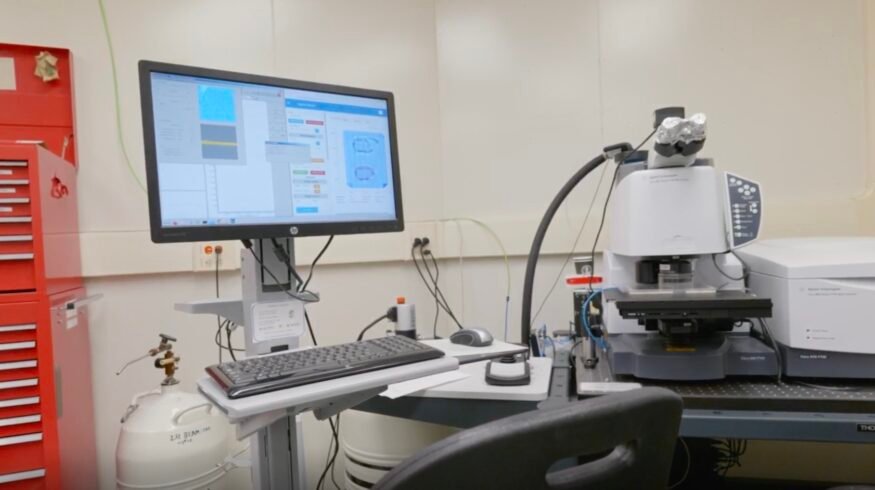
Researchers from the University of Copenhagen and partner institutions in Denmark, Brazil, Germany, Lithuania, Switzerland, and Canada used advanced analytical techniques at the Canadian Light Source (CLS) at the University of Saskatchewan to examine how phosphorus from recycled fertilizers behaves in different soil types. The study found that phosphorus recovered from sewage sludge and other recycled materials can become more available to plants over time, while conventional mineral phosphorus fertilizers typically become less available as they react with soil minerals.
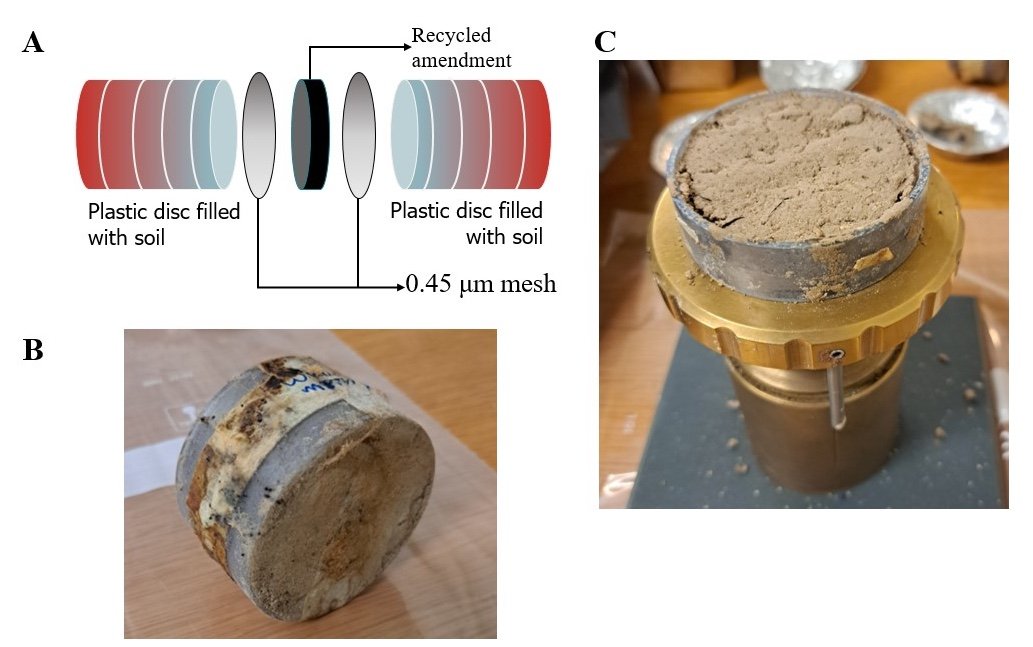
Using synchrotron technology, the researchers identified the chemical forms of phosphorus present in fertilizers and soils with greater precision than conventional laboratory methods. The findings showed that phosphorus from sewage sludge-based fertilizers moved farther through the soil profile than mined phosphorus, potentially improving plant access to the nutrient. However, the researchers also found that fertilizer performance depended heavily on soil characteristics, with some soil-fertilizer combinations enhancing phosphorus availability while others restricted it.
The authors said the results highlight the need for site-specific fertilizer management rather than a one-size-fits-all approach when using recycled phosphorus products. They added that the findings represent an important step toward developing circular agricultural systems that reuse waste materials as nutrient sources, although additional field trials will be needed before practical recommendations can be made for farmers.
Source: Canadian Light Source

Enjoyed this story?
Every Monday, our subscribers get their hands on a digest of the most trending agriculture news. You can join them too!







Discussion0 comments