

Crop growth narrows herbicide application window for corn and soybeans

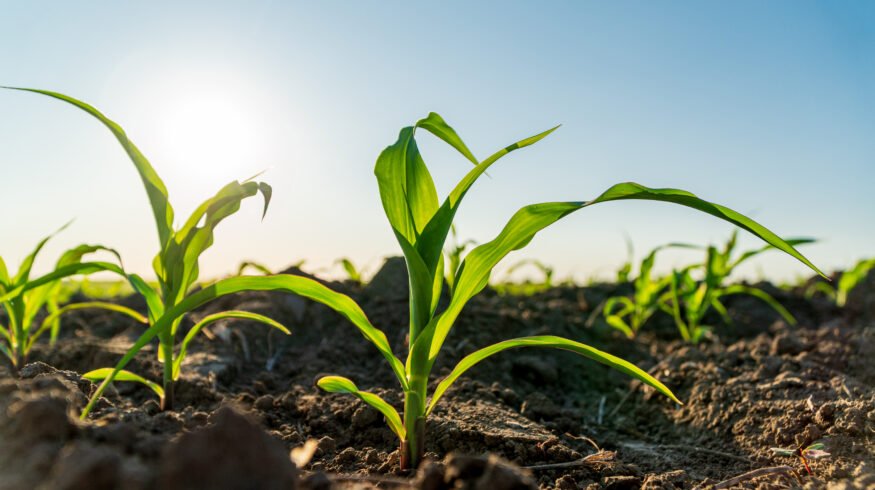

As corn and soybean crops develop, producers face a rapidly closing window for post-emergence herbicide applications. Crop growth stage and weed size determine both the effectiveness and legality of treatments, making timely application essential to protect yields.
Dwight Lingenfelter, a weed science extension specialist, notes that many herbicides have strict label restrictions based on crop development, harvest timing, and intended use for grain, forage, or livestock feed. While harvest interval requirements rarely affect grain production, they are important for early-harvested corn or soybean forage due to potential herbicide residue concerns.
For soybeans, glyphosate remains effective against many annual weeds in herbicide-tolerant varieties, but it offers little control of glyphosate-resistant species such as marestail, Palmer amaranth, and waterhemp. Other post-emergence herbicide groups, including ALS inhibitors, PPO inhibitors, and glufosinate-based products, control specific broadleaf weeds, though their effectiveness depends on the target species and the presence of herbicide resistance. Extension experts recommend adding residual Group 15 herbicides to post-emergence tank mixes for overlapping control of later-emerging weeds.
The guidance outlines maximum crop growth stages for many herbicides in corn and soybeans. In corn, application cutoffs range from pre-emergence to the V8 growth stage or specific plant heights, depending on the product. In soybeans, products such as Liberty Ultra, Enlist One, Engenia, Tavium, and glyphosate each have specific growth-stage and pre-harvest restrictions that must be followed to comply with label requirements.
Specialists emphasize that growers should consult herbicide labels before application, as crop stage and weed size can significantly reduce treatment effectiveness later in the season. Once weeds are too large or crops exceed labeled growth stages, chemical control options become limited, which may increase yield losses and complicate resistance management.
Source: Farm Progress

Enjoyed this story?
Every Monday, our subscribers get their hands on a digest of the most trending agriculture news. You can join them too!







Discussion0 comments