

GSR Solutions promotes recovered nutrients to reduce runoff and increase fertilizer supply

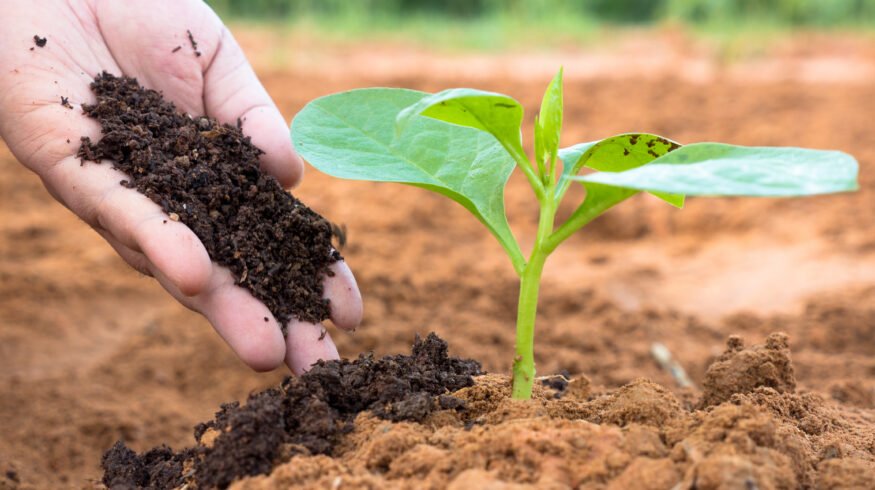

GSR Solutions advocates for nutrient recovery from organic waste as a complement to conventional fertilizer production. The company argues that capturing nitrogen and phosphorus from livestock manure, food waste, anaerobic digestate, and other organic residuals can reduce nutrient runoff and expand the supply of crop nutrients.
In a company perspective published in May, Founder and CEO Anju Krivov stated that agriculture will continue to depend on various fertilizer sources, including synthetic, organic, biological, mined, and recovered nutrients, to meet rising global food demand. The company notes that nutrients in organic residuals can become environmental liabilities when they enter water bodies rather than being returned to agricultural use.
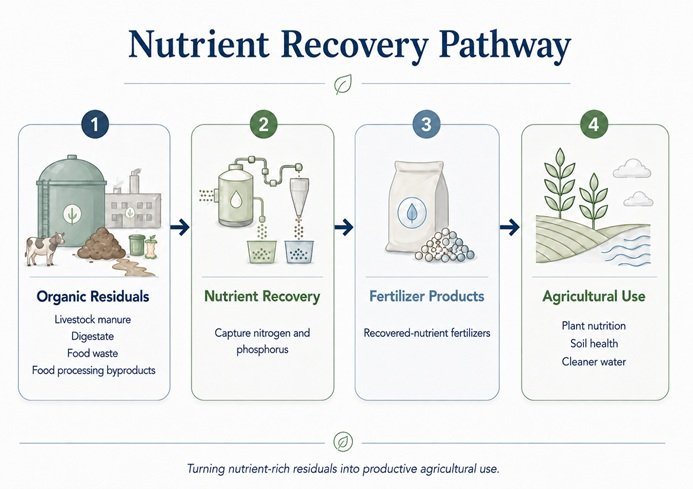
According to GSR Solutions, nutrient recovery technologies can convert nitrogen- and phosphorus-rich waste streams into fertilizers suitable for agriculture. The company states that recovered nutrients are intended to complement, not replace, existing fertilizer sources and can support broader nutrient stewardship while adding value to agricultural and food-processing byproducts.
The company notes that nutrient management technologies such as composting, solids separation, struvite recovery, ammonia capture, and filtration are already in use. GSR states that the effectiveness of these methods depends on aligning technologies with specific feedstocks, regulations, economics, and market needs. The company adds that recovered nutrients must be processed into standardized fertilizer products with consistent nutrient content, handling, and labeling to achieve broad adoption by growers.
GSR Solutions states that its technology recovers nitrogen and phosphorus from organic waste streams produced by dairy and livestock operations, anaerobic digestion facilities, food processors, municipalities, and other sources. Through its NutriHarvest platform, the company aims to connect recovered nutrient products with agricultural markets, providing an additional outlet for nutrients from digestate and other biological waste streams.
Krivov stated that nutrient recovery addresses two related challenges by reducing nutrient losses to waterways and increasing the availability of fertilizer products for agriculture.

Enjoyed this story?
Every Monday, our subscribers get their hands on a digest of the most trending agriculture news. You can join them too!





Discussion0 comments