

South Africa’s century-old acacia plantings have had a lasting impact on water resources and biodiversity

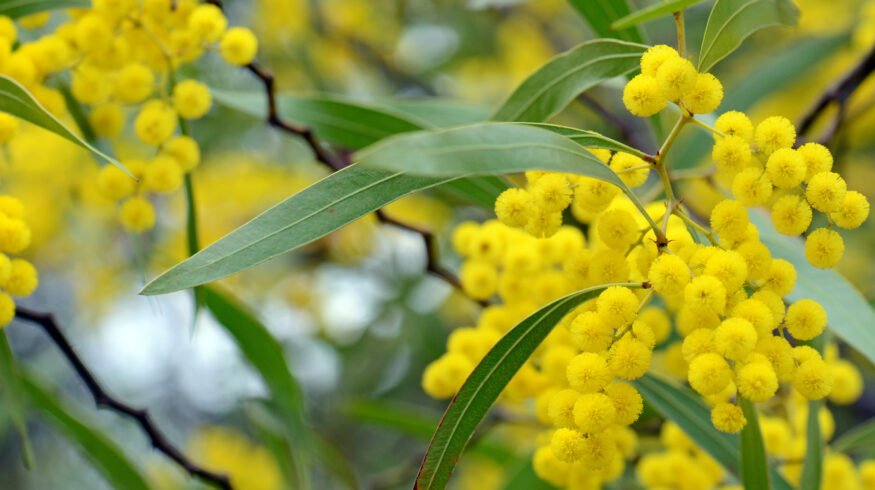

Australian acacia trees, introduced nearly 180 years ago to stabilize South Africa’s coastal dunes, have become one of the country’s most damaging invasive species. They reduce river flows, degrade native ecosystems, and increase restoration costs, as shown by long-term scientific studies. Initially planted from 1845 to protect farmland and infrastructure, the trees stabilized dunes but later spread beyond their intended range. Research in Landscape and Urban Planning found that the large-scale dune stabilization program expanded throughout the late 19th century, combining acacia planting with engineering techniques that permanently changed the coastline.
Further studies show that invasive acacias, along with introduced pines and eucalyptus, now consume significant water across major river catchments. Forest Ecology and Management estimated that invasive trees have reduced natural river flows by 6% to 22% in four South African catchments, with greater losses expected if infestations are not managed. In some areas, acacia species account for over one-third of the water lost to invasive vegetation. Researchers warn that delaying eradication could dramatically increase clearing costs, with expenses projected to rise by more than 25-fold over several decades in some catchments.
The ecological impacts go beyond water loss. Research in Restoration Ecology found that Acacia saligna, a nitrogen-fixing species, alters soil chemistry to favor invasive grasses over South Africa’s unique fynbos, making ecosystem recovery more difficult even after removal. Fynbos is among the world’s richest biodiversity hotspots, with over 8,700 plant species, more than two-thirds of which are endemic. Since 1995, South Africa’s government-led Working for Water program has cleared over one million hectares of invasive plants and created rural employment. The program now uses mechanical removal, herbicides, and biological control agents to restore river flows and protect native ecosystems.
Source: The Economic Times

Enjoyed this story?
Every Monday, our subscribers get their hands on a digest of the most trending agriculture news. You can join them too!






Discussion0 comments