

StoneX anticipates further declines in urea prices before fall demand drives a recovery

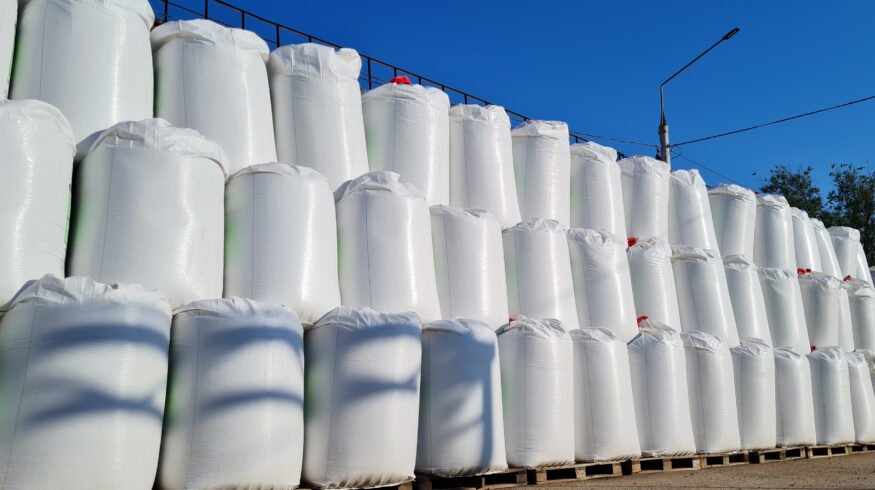

Global urea prices may fall another $30–50 per tonne before reaching a low. According to Josh Linville, vice president of fertilizer at StoneX, the market is expected to rebound sharply when fall demand returns and buyers compete for supply lost during the Strait of Hormuz disruption.
In late June, after New Orleans (NOLA) urea barge prices dropped to about $350 per tonne, more than 55% below their April peak, Linville identified three factors weighing on nitrogen markets: the reopening of the Strait of Hormuz, China’s return to urea exports, and the seasonal absence of major buyers in the U.S. and Europe. “A lot of factors have come together and supercooled the marketplace here for the short-term,” he said.
Linville expects the current weakness to reverse when seasonal demand resumes, as significant volumes of nitrogen fertilizer were not produced during the supply disruptions. The Middle East, responsible for about one-third of global urea trade, was largely sidelined during the Hormuz crisis. Meanwhile, Chinese exports remained restricted, and European producers operated at reduced rates due to high LNG costs. These lost production volumes cannot be replenished in inventories.
“When demand returns, prices will rise substantially because the market will pay for the sins of lost tonnes,” Linville said. He does not expect prices to reach the April peak of about $782 per tonne, which was driven by an unusually severe combination of supply disruptions. He advises growers to avoid committing all fertilizer purchases at once and to closely monitor local basis levels, as regional pricing may diverge from global benchmarks.
The outlook for phosphate fertilizers is considerably tighter than for nitrogen. Linville expects DAP and MAP prices to remain elevated, as China continues to limit phosphate exports and logistics and insurance challenges constrain shipments from Saudi Arabia, despite the reopening of the Strait of Hormuz. Farmers purchasing phosphate fertilizers for fall applications are likely to face a much firmer market than those buying urea.
Looking ahead, Linville said India’s next urea import tender will be a key indicator for global nitrogen markets in the second half of 2026. This tender will help establish a new price benchmark as the market shifts from crisis-driven shortages to more normalized supply conditions, though inventories will remain depleted.
Source: The Western Producer

Enjoyed this story?
Every Monday, our subscribers get their hands on a digest of the most trending agriculture news. You can join them too!






Discussion0 comments