

Yeast-based program cuts grapevine downy mildew severity by 74% in Italian trials

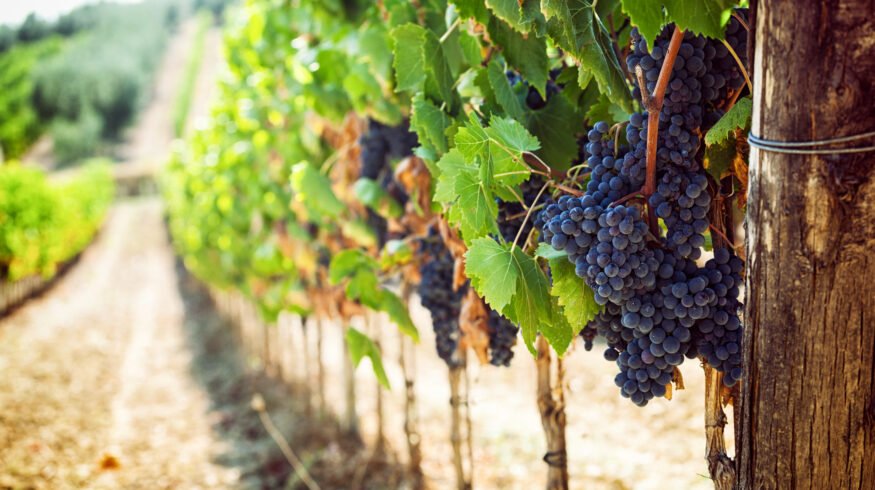

A yeast-based biological program reduced grapevine downy mildew severity on grape bunches by up to 74% over two years of field trials in southern Italy, according to researchers at the University of Molise and Italy’s National Research Council. These results suggest a promising new option for winegrowers facing increased restrictions on copper-based and synthetic fungicides.
The researchers tested four biological programs against a conventional fungicide rotation and an untreated control in Fiano vineyards in Italy’s Campania region during the 2022 and 2023 growing seasons. The best-performing program combined a formulation containing the beneficial yeast Papiliotrema terrestris strain PT22AV with protein-chelated copper and a seaweed-derived plant-defense elicitor. It reduced the McKinney disease-severity index on bunches by 68% in 2022 and 74% in 2023, when downy mildew incidence reached 100% in untreated bunches. The yeast increased the program’s effectiveness by a calculated synergistic factor of 1.59 compared with a similar treatment that excluded it.
The conventional chemical rotation remained the most reliable treatment under severe disease pressure. However, researchers suggest PT22AV can be a valuable component in programs that combine biological agents, natural compounds, and reduced copper inputs. Preventive applications before symptoms appear were essential for effectiveness. The yeast’s reported activity against Botrytis cinerea may also offer added benefits during later grape development.
Source: AgroPages
Understanding grapevine downy mildew biocontrol
It is a destructive disease caused by the pathogen Plasmopara viticola. It damages leaves and bunches and can cause heavy yield losses, and has traditionally been managed with copper-based products and synthetic fungicides.
A bioformulation based on the yeast Papiliotrema terrestris, strain PT22AV, tested alone and combined with copper proteinate, a seaweed extract and plant-derived elicitors. Laboratory tank-mix tests showed yeast growth held above 82.6% of the control at label rates, indicating good compatibility.
The best yeast-based programs cut the McKinney severity index on bunches by 68% in 2022 and up to 74% in 2023. Including the yeast produced a synergistic factor of 1.59 over the same program without it.
No. The synthetic fungicide rotation remained the most protective option under the extreme 2023 pressure. The biologicals performed best as part of an integrated program rather than alone.
Tightening copper limits and fungicide resistance are narrowing control options. The study suggests integrated, low-risk programs with early preventive timing can deliver meaningful protection, especially in seasons of moderate disease pressure.

Enjoyed this story?
Every Monday, our subscribers get their hands on a digest of the most trending agriculture news. You can join them too!








Discussion0 comments