

India approves new urea policy targeting 10 million metric tons of capacity

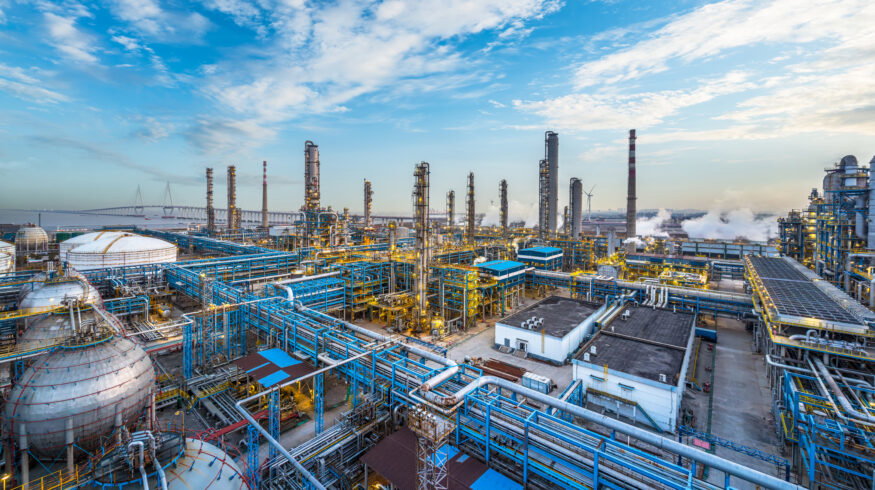

India has approved a new investment policy intended to add 10 million metric tons of annual urea production capacity through eight to nine gas-based plants, as the country moves to reduce its dependence on imported nitrogen fertilizer. The Cabinet Committee on Economic Affairs approved the National Investment Policy for Urea-2026, known as NIPU-2026, on July 15. Each proposed facility is expected to have a capacity of about 1.27 million metric tons per year.
The policy establishes a return-on-equity range of 12% to 16% and separates fixed and variable costs to improve transparency. It also seeks to limit foreign-exchange risk by converting fixed costs into rupees at prevailing exchange rates after 4 years. The government estimates that these changes could save more than 2.5 billion rupees, or about $29 million, for each plant compared with the previous 2012 investment framework. Public-sector companies, private investors and cooperatives are expected to be eligible to develop projects under the policy.
India has 33 operating urea plants with a combined installed or reassessed capacity of about 26.94 million metric tons. Domestic production is close to 30 million metric tons, while annual consumption is approaching 40 million metric tons, leaving the balance to be covered by imports. The planned capacity expansion is intended to close that gap and strengthen fertilizer supply security following geopolitical and energy-market disruptions that raised import costs and exposed the country’s reliance on overseas urea and liquefied natural gas.
Source: Business Standard

Enjoyed this story?
Every Monday, our subscribers get their hands on a digest of the most trending agriculture news. You can join them too!








Discussion0 comments