

Urea price decline accelerates to $386/t as China quota releases and Hormuz talks ease supply fears

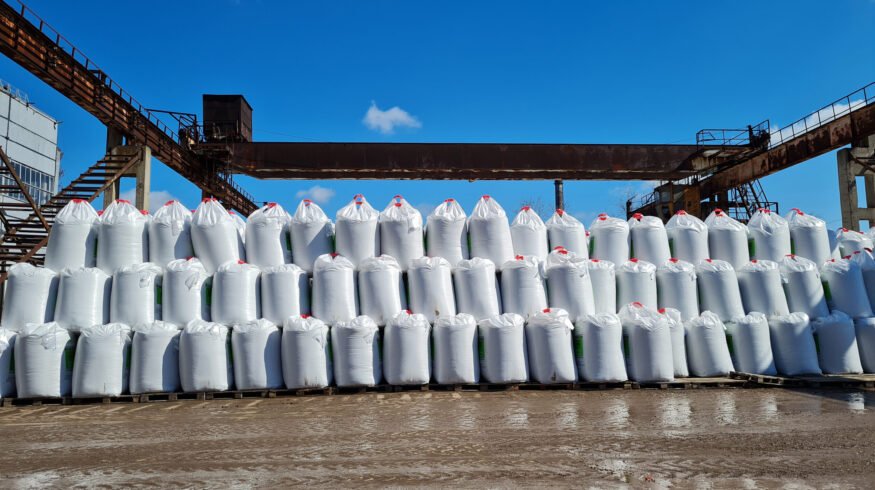

Urea prices fell to $386 per metric ton on August 11, declining 3.5% in a single session and extending a monthly drop of more than 7%, according to TradingEconomics data. The urea price decline reflects a convergence of factors easing supply fears that had kept nitrogen markets tight since the onset of the Iran conflict earlier this year.
China’s decision to reopen urea export quotas for June through August has brought additional tonnage into global markets at a time when seasonal demand in the Northern Hemisphere is weak. Beijing had restricted exports through much of the first half of 2026 to protect domestic agriculture, but relaxed controls as domestic inventories reached comfortable levels. The returning Chinese volumes are competing directly with Middle Eastern and Southeast Asian supply in key import markets.
Simultaneously, progress in Iran-Oman negotiations over a safe commercial shipping route through the Strait of Hormuz has reduced the geopolitical risk premium embedded in nitrogen prices. While no formal agreement has been finalized, both sides confirmed agreement on coordinates for a proposed transit lane, a step that traders and analysts interpreted as a meaningful de-escalation signal.
The urea price decline follows a turbulent first half of 2026, during which benchmark prices spiked above $500 per metric ton in April as the Hormuz blockade removed an estimated 4 to 4.5 million metric tons of urea from traded supply. Prices have since retreated roughly 23% from that peak. Market participants are watching India’s next major tender and the pace of any Hormuz route reopening for direction on whether the correction has further to run.
Source: TradingEconomics

Enjoyed this story?
Every Monday, our subscribers get their hands on a digest of the most trending agriculture news. You can join them too!






Discussion0 comments