

Heat exposure pushes 57 million hectares of tropical forests beyond photosynthesis limits

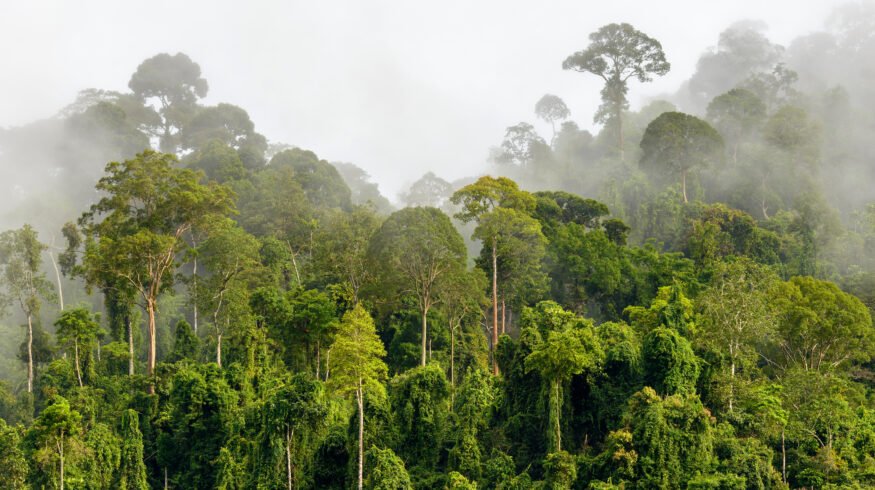

Extreme heat exposed about 57 million hectares of tropical forest to temperatures above the average threshold at which photosynthesis begins to decline, according to a study led by researchers at the Swiss Federal Institute of Technology Lausanne, or EPFL. The affected area, larger than France, increased from roughly 43 million hectares during the 2001-2020 study period as global warming, drought and heat waves narrowed the temperature margin within which trees can function efficiently.
The researchers combined satellite-derived canopy temperature measurements with documented thermal limits for about 200 tree species. Once leaf temperatures exceed critical thresholds, proteins involved in photosynthesis begin to deteriorate, reducing trees’ ability to absorb carbon dioxide and increasing the risk of slower growth and mortality. The study, published in the Proceedings of the National Academy of Sciences, is among the first to assess tropical forest heat exposure by linking species-level temperature limits with large-scale satellite observations.
The area exceeding critical temperatures could expand to 83 million hectares by 2050 and 160 million hectares by 2100, according to the researchers. Prolonged heat stress could alter forest composition as more heat-tolerant species replace vulnerable trees, with potential consequences for wildlife, carbon storage and regional rainfall. Lower rates of photosynthesis and water-vapor release could also reinforce warming and drought, although researchers said it remains unclear whether forest species can adapt quickly enough to keep pace with rising temperatures.
Sources: Down To Earth

Enjoyed this story?
Every Monday, our subscribers get their hands on a digest of the most trending agriculture news. You can join them too!








Discussion0 comments