

EU, Japan stone fruit crops set to rebound in 2026/27 as weather conditions improve

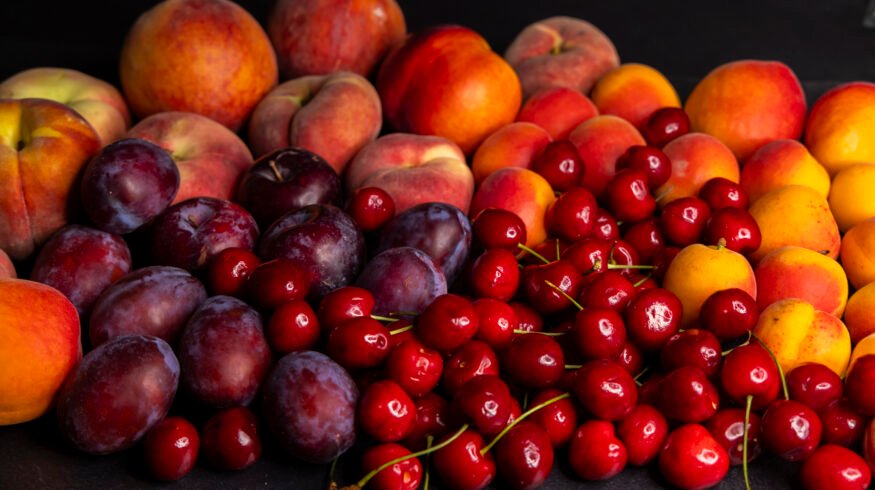

Stone fruit production is expected to recover in both the European Union and Japan in the 2026/27 marketing year as improved weather conditions support yields after weather-related setbacks in the previous season, according to USDA Foreign Agricultural Service reports published Aug. 19.
In the EU, peach and nectarine production is forecast at 3.49 million metric tons, up from 3.13 million tons in 2025/26. The recovery is being led by stronger crops in Spain and Italy, while Greece and France are also expected to post higher or recovering production. EU cherry production is forecast at 800,000 tons, up from 786,260 tons, supported by improved harvests in Spain, Italy and Germany despite sharp losses in Poland and smaller production in France and Hungary.
Japan is also expected to see a broad recovery. Fresh cherry production is forecast to rise 25% to 14,000 tons, driven by improved fruit set and favorable conditions in Yamagata, the country’s largest cherry-producing prefecture. Peach and nectarine production is forecast at 110,000 tons, up 9.3%, as fruit size recovers from the heat and drought-affected 2025/26 crop. The stronger domestic supply is expected to lift cherry consumption 12.5% to 18,197 tons and peach and nectarine consumption 8.9% to 107,800 tons.
Shrinking orchard areas remain a common challenge
Despite the production rebound, both markets continue to face structural pressure on cultivated area. EU peach and nectarine planted area is estimated at about 182,000 hectares, while cherry area is forecast at 165,000 hectares. High production costs, climate volatility, labor shortages and the shift toward more profitable crops are limiting investment and replanting.
Japan faces similar demographic and labor constraints. Cherry harvested area is forecast to decline 3.5% to 3,810 hectares in 2026/27, while peach and nectarine harvested area is expected to fall about 1% to 9,030 hectares. Aging growers, limited farm succession, seasonal labor shortages and the cost of maintaining orchard infrastructure are contributing to the decline.
Trade flows expected to strengthen
The EU is expected to remain a major exporter of peaches and nectarines, with exports forecast at 135,000 tons in 2026/27. The United Kingdom, Switzerland, Ukraine and Norway are the main destinations. Cherry exports are also expected to increase modestly as domestic production improves.
Japan’s peach and nectarine exports are forecast to rise 34% to 2,500 tons, supported by increased domestic availability and continued demand in Asian markets, particularly Hong Kong and Taiwan. Cherry imports, however, are forecast to fall 15.6% to 4,200 tons as the domestic crop recovers. The United States remains Japan’s dominant foreign cherry supplier, accounting for 89% of imports in 2025/26.

Enjoyed this story?
Every Monday, our subscribers get their hands on a digest of the most trending agriculture news. You can join them too!







Discussion0 comments