

Peas and beans residues shape soil health and the next harvest

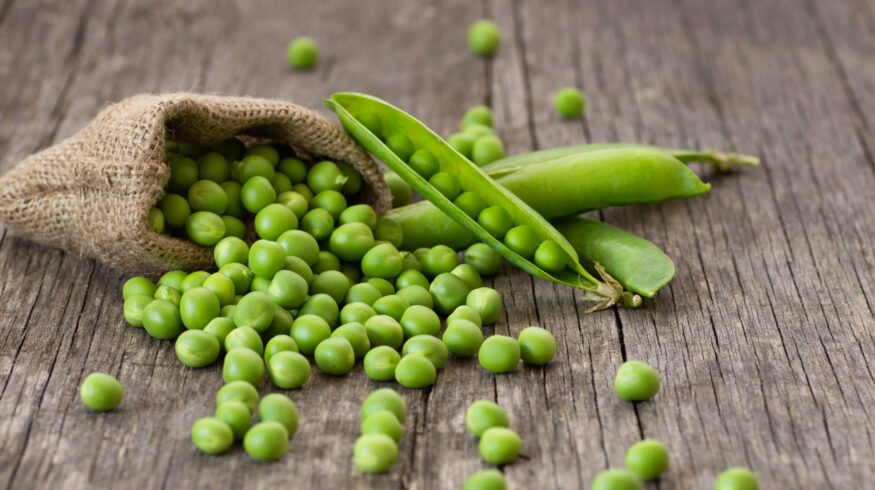

Pea and bean crop residues left in fields after harvest can change soil health and how well the next crop grows, according to a study in Plant and Soil. The work was done by researchers at The James Hutton Institute and the Universidade Católica Portuguesa in Porto.
Moderate residue amounts from some varieties boosted soil microbial activity, improved nitrogen availability and helped barley grow about as well as synthetic nitrogen fertilizer. Very large amounts had the opposite effect, reducing microbial activity, nitrogen availability and barley growth.
Residues rich in phenolics changed how nitrogen is used below ground, making it available to plants over a longer period. The researchers said the highest residue levels they tested were far above typical farm levels.
Pietro Iannetta, a Hutton professor and co-author, said understanding regenerative systems requires “more detail regarding the chemical nature of crop residues, how much is returned, when it is returned and how it interacts with soil biology and the crop that follows.” The study tracked only the first eight weeks of barley growth under controlled conditions.
Nitrogen supply in soil also depends on what plants release, as wheat roots release natural nitrogen inhibitors in a separate study.
Source: Global Agriculture

Enjoyed this story?
Every Monday, our subscribers get their hands on a digest of the most trending agriculture news. You can join them too!






Discussion0 comments