

Macquarie University research suggests that widely used fungicide Chlorothalonil may contribute to insect population decline


According to new research led by Macquarie University and published in Royal Society Open Science, chlorothalonil, a widely used agricultural fungicide, has been found to significantly harm beneficial insects, potentially contributing to long-term population declines.
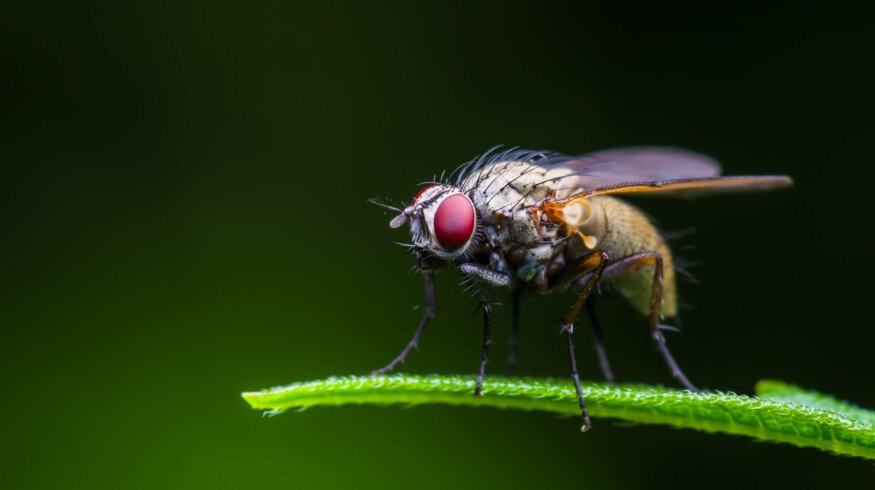
The study found that even minimal exposure to the fungicide—commonly applied to fruits and vegetables to control fungal diseases—can sharply reduce reproductive performance in Drosophila melanogaster, a model insect species that plays a vital ecological role.
Researchers exposed fruit fly larvae to levels of chlorothalonil comparable to those found on commercial produce. The results showed a 37% decline in egg production in exposed adult females, even at the lowest concentrations tested.
“These impacts occurred at exposure levels typically found on treated crops,” said lead author Darshika Dissawa, a PhD candidate at Macquarie’s School of Natural Sciences. “Both male and female reproductive functions were affected, suggesting long-term population consequences.”
Chlorothalonil is banned in the European Union but remains widely used in Australia, particularly in orchards and vineyards. The chemical has been detected in soil and water near treated areas and is commonly found as residue on produce, ranging from trace levels to as much as 460 milligrams per kilogram.
The study documented additional physiological damage in exposed flies. Females had lower body mass and fewer egg-producing ovarioles, while males showed reduced iron levels, likely affecting sperm production. Larvae showed no significant aversion to treated food, indicating the effects stemmed from ingestion rather than avoidance.
“This kind of chronic exposure in agricultural environments is hard for insects to avoid,” said Associate Professor Fleur Ponton, the study’s senior author. “Chlorothalonil is often applied preventively, even in the absence of disease, which amplifies the risks to non-target species.”
The findings contribute to a growing body of evidence linking widespread chemical use to what some researchers have termed the “insect apocalypse”—a marked decline in global insect populations over recent decades.
Despite chlorothalonil’s extensive use, the researchers noted that fewer than 25 peer-reviewed studies have examined its effects on insects. The authors are calling for more sustainable pest management practices, reduced application frequency, and further investigation into cumulative impacts from multiple agrochemicals.
Future studies will explore whether the observed reproductive impairments persist across generations and assess how these effects interact with other chemicals commonly used in farming.
The research underscores the need to incorporate broader ecological considerations into pesticide regulation and agricultural policy.

Enjoyed this story?
Every Monday, our subscribers get their hands on a digest of the most trending agriculture news. You can join them too!







Discussion0 comments