

Ethiopian researcher pursues sustainable ammonia production that reduces greenhouse gas emissions

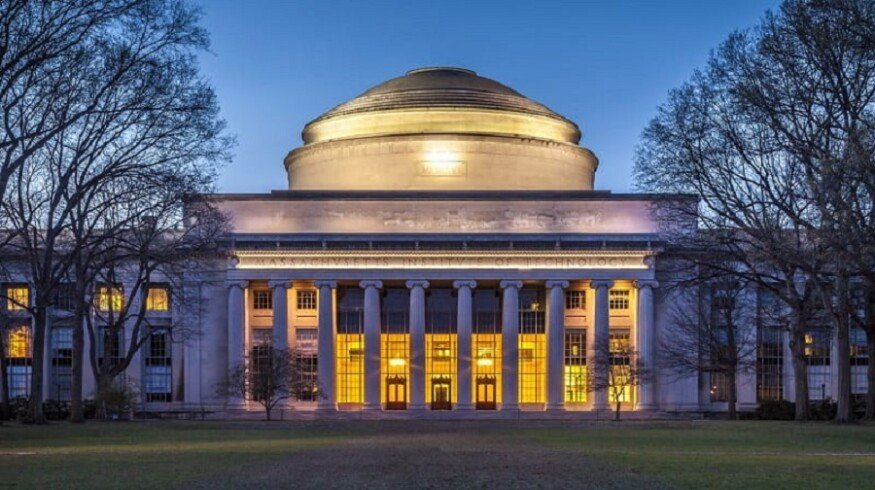

Ethiopian-born scientist Iwnetim Abate, now an assistant professor at the Massachusetts Institute of Technology, is working on alternative approaches to battery technology and ammonia production with the aim of advancing more sustainable energy systems.
Abate, 32, grew up in a small town in Ethiopia where electricity was unreliable, often leaving him to study by candlelight. His early experiences with energy scarcity shaped his interest in science and eventually led him to study in the United States, where he pursued energy materials research at institutions including IBM, Los Alamos National Laboratory, Stanford University, and the University of California, Berkeley.
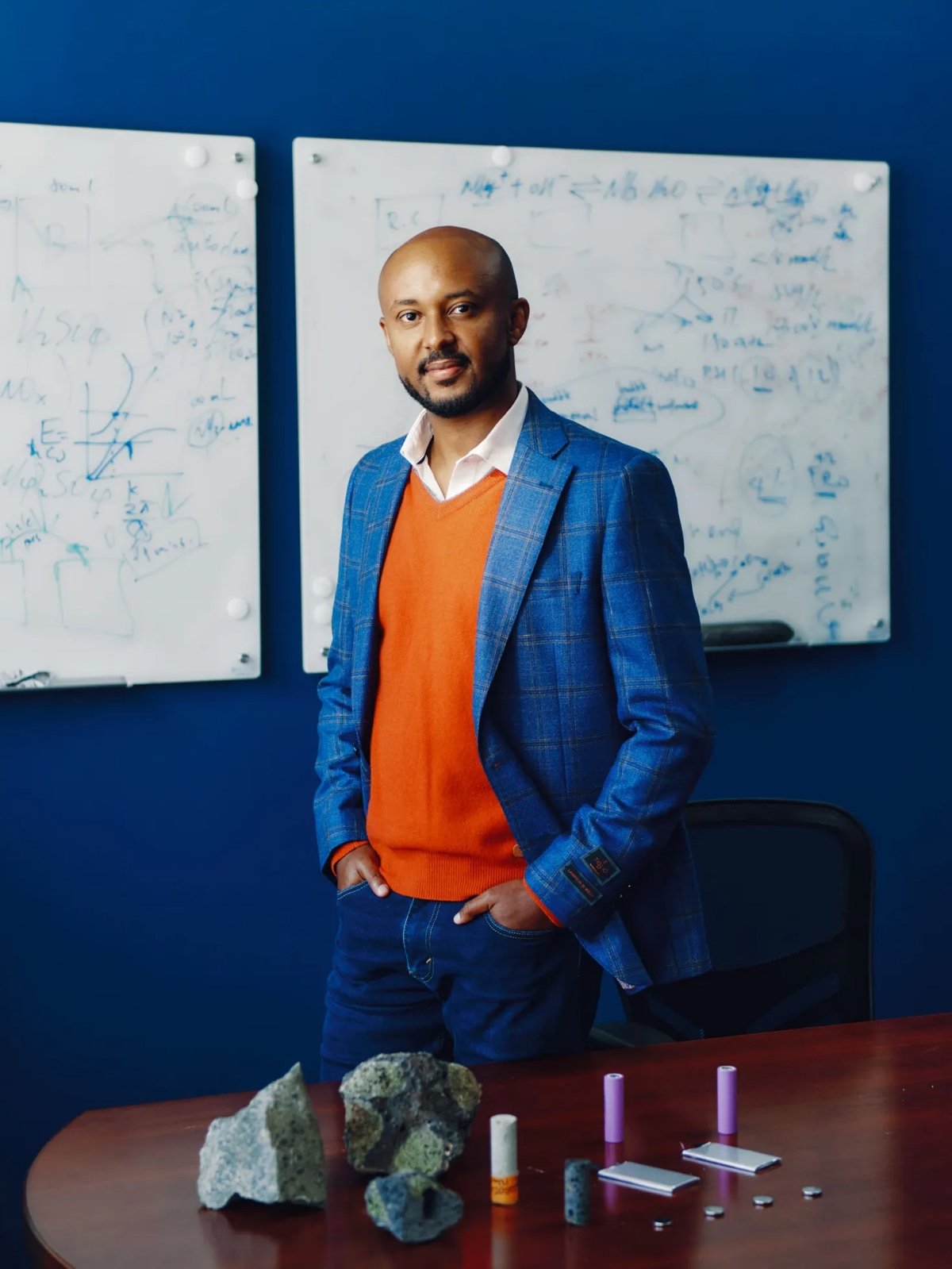
At MIT, Abate leads a research group focused on sodium-ion batteries and novel methods for producing ammonia. His team is developing materials to extend the lifetime of sodium-ion batteries, which rely on more abundant resources than lithium-based cells but face limitations in energy density. The research aims to make sodium-ion systems more competitive for applications such as electric vehicles and grid storage.
In a separate project, Abate’s team has proposed using underground heat and pressure to produce ammonia, a process that could cut greenhouse gas emissions from a chemical responsible for 1% to 2% of global emissions. Ammonia is widely used in fertilizers and is being studied as a potential fuel for shipping.
Abate co-founded Addis Energy, a startup that plans to build a pilot underground reactor to test the technology. The company was launched with support from MIT entrepreneur Yet-Ming Chiang and oil industry experts.
In addition to his academic and entrepreneurial work, Abate co-founded Scifro, an educational program providing mentorship and science training for students in Ethiopia and other African countries.
Abate’s efforts were recognized this year when he was named to MIT Technology Review’s list of Innovators Under 35. He credits his success to his collaborators and his background. “Science is beautiful, and we want to make an impact,” he said. “Being good at what you do is important, but ultimately, it’s about people.”

Enjoyed this story?
Every Monday, our subscribers get their hands on a digest of the most trending agriculture news. You can join them too!




Discussion0 comments